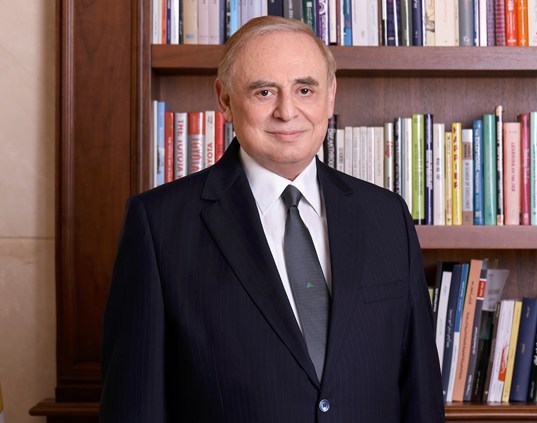
(FPM) leader and MP Gebran Bassil affirmed that relations with Hezbollah are based on an assessment of Lebanon’s interests. He reiterated his opposition to dragging Lebanon into other countries’ wars and stressed the need for weapons and decision-making authority to remain exclusively in the hands of the Lebanese state. He maintained that the issue of Hezbollah’s weapons could only be resolved through an understanding among the Lebanese, without resorting to civil war or relying on foreign powers to disarm the group by force.
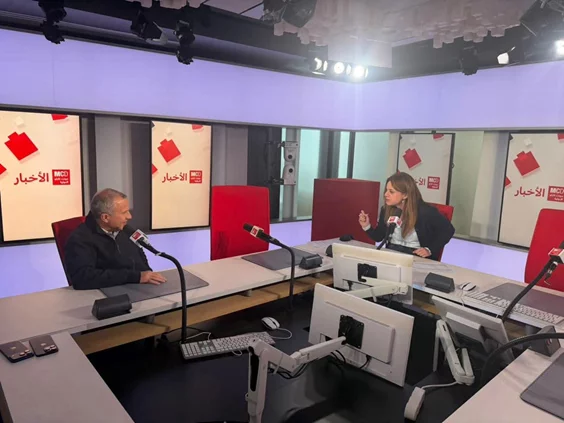
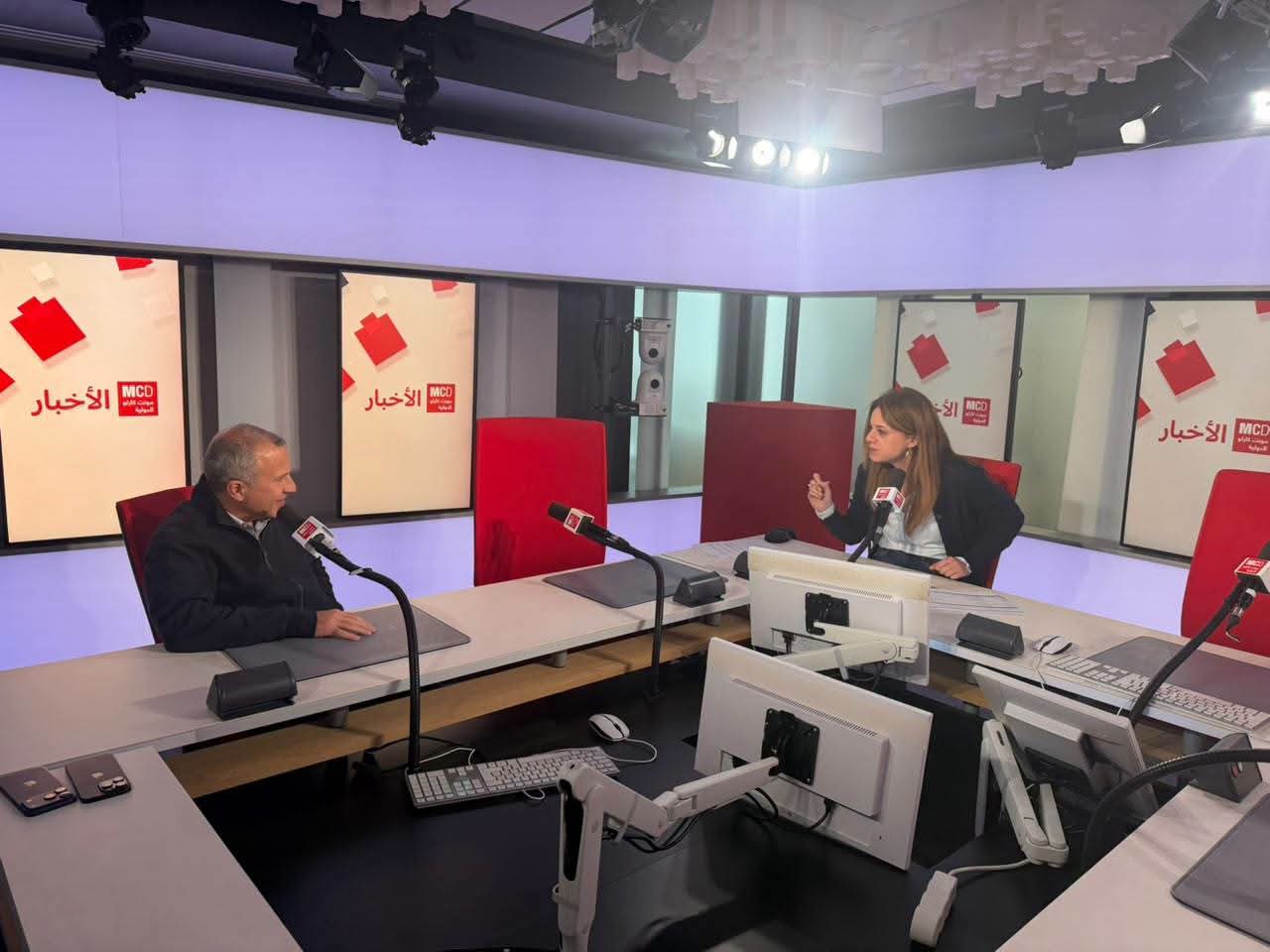
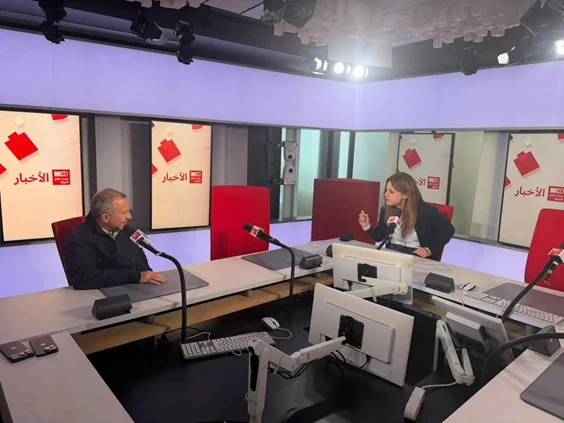
In an interview with Monte Carlo International radio, Bassil discussed relations with Hezbollah, his position on negotiations and peace with Israel, existing agreements, the roles of the Lebanese Army and the president, and the future of the international presence in southern Lebanon. He also reaffirmed his commitment to the concept of Greater Lebanon and the country's unity.
Bassil explained that relations with Hezbollah are guided by an assessment of Lebanon’s interests. “When they take an action that we believe serves Lebanon’s interests, we support it. When they take an action that does not serve Lebanon’s interests, we do not support it. It is as simple as that,” he said.
He added that the FPM believes “it is not in Lebanon’s interest to become involved in wars that belong to others but are fought on its territory, in which Lebanon, its young people, and its land are used, with catastrophic consequences for all Lebanese.”
He stressed that, regardless of who emerges victorious in the region or who directly benefits from these wars, Lebanon, its economy, its sovereignty, and its entire population bear the consequences. The damage, he said, is not confined to a particular community or region but affects the entire country.
Bassil said the FPM proposes an alternative to the policy of supporting other countries: “Other countries should support Lebanon, and Lebanon should support itself.”
Regarding negotiations with Israel, Bassil affirmed that the FPM does not oppose negotiations or efforts to reach solutions.
“We openly state that, ultimately, we want peace with Israel, but peace has its conditions,” he said.
He explained that the objection was not to negotiations or peace in principle, but to the terms of any agreement that failed to safeguard Lebanon’s rights. He stressed his opposition to entering into an agreement similar to the one reached under the ceasefire arrangement.
In his view, that agreement fails to guarantee any of Lebanon’s rights and instead amounts to relinquishing Lebanon’s right to pursue legal action against Israel under international law over alleged crimes against humanity and war crimes. He argued that it also compromises Lebanon’s sovereignty and its right to exercise authority over its entire territory through its own forces, whenever Israel's interests might dictate otherwise.
“We support the principle that weapons should be exclusively in the hands of the state. The state must carry out this task itself, rather than having it imposed by another country, particularly one that is attacking it,” Bassil said.
He added that the FPM rejected the terms of the agreement, arguing that experience had demonstrated the absence of a timetable for Israeli withdrawal and the lack of any commitments on Israel’s part.
Bassil argued that, under the agreement as he interprets it, Israel had effectively become “both a party and the judge.” Israel, he said, determines what suits its interests and, if it perceives an impending threat, can respond by carrying out operations on Lebanese territory, a practice he said is already taking place.
Discussing relations with Hezbollah, Bassil said the agreement between the two sides was the February 6 Memorandum of Understanding, which was based on a defensive strategy for Lebanon rather than an offensive one.
He maintained that the text of the understanding was clear on this point and that disagreements with Hezbollah arose when this principle was breached during the confrontation with Israel.
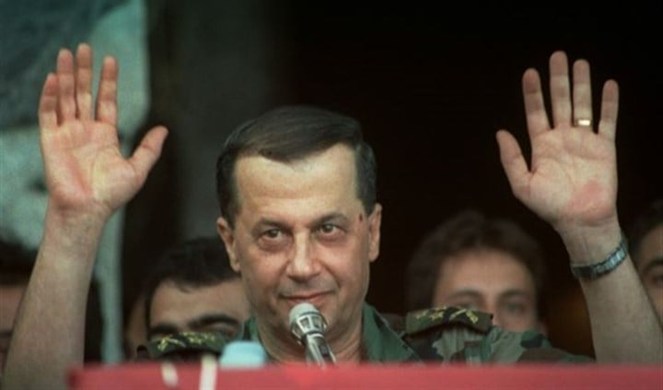
Regarding General Michel Aoun’s accession to the presidency, Bassil stressed that Aoun’s popularity and full legitimacy had brought him to office. In his view, the delay in his election resulted from a refusal to recognize that legitimacy.
He added that the issue of the Lebanese people’s legitimate and constitutional representation was distinct from any party taking steps outside constitutional procedures or making decisions that did not serve Lebanon’s interests.
Bassil said the FPM opposed any party that violated the Constitution or acted outside legitimate institutions, particularly when it came to negotiating on behalf of the Lebanese state.
He stressed that only the Lebanese state had the authority to negotiate on Lebanon’s behalf. Opposition to any violation of this principle, he said, applied to Hezbollah just as it applied to any other parties aligned with foreign policies or foreign states.
On Hezbollah’s weapons and the future of Lebanon’s defense, Bassil said no solution, whether concerning the weapons themselves or the various means of defending Lebanon, could be reached without an agreement among the Lebanese.
However, he stressed that calls for domestic consensus must not become an excuse for giving Hezbollah more time to evade its commitment to the principle that weapons and decision-making authority should be exclusively in the hands of the state.
At the same time, he urged Hezbollah’s opponents not to reject the path of domestic understanding on the assumption that foreign powers would take it upon themselves to disarm the group by force.
Bassil said the Lebanese experience, along with that of armed groups operating outside state authority around the world, should have taught the Lebanese that solutions could be achieved through pressure without descending into civil war.
He emphasized the need to uphold the principle of exclusive state control over weapons and decision-making authority while pursuing that objective through a Lebanese-led process that prevents internal fighting and preserves national unity.
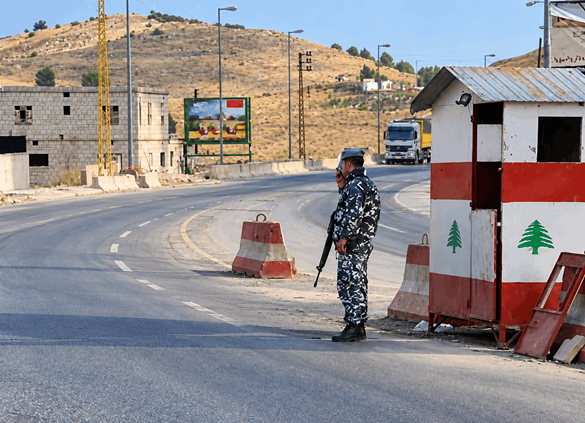
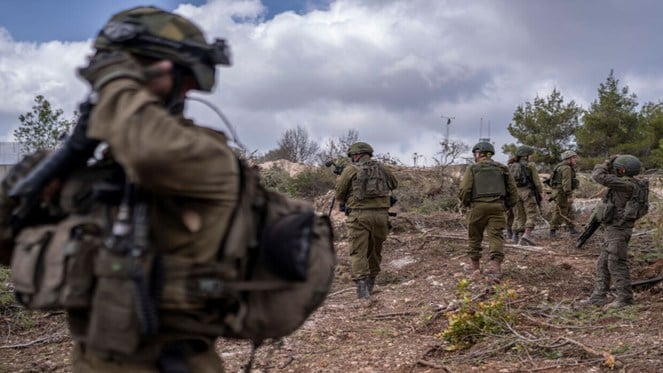
Regarding the situation in southern Lebanon, Bassil said Israel must not be allowed to remain in the south without any parties monitoring its actions, nor should it be given a free hand to operate on Lebanese territory.
He voiced support for the continued presence of the United Nations Interim Force in Lebanon (UNIFIL), arguing that any force with a UN mandate, international backing, or acceptance within Lebanon could play a role in this regard.
He explained that clashes between the Lebanese Army and the Israeli military must be avoided, as they could provide Israel with a pretext to attack Lebanese institutions.
He also stressed the need to prevent clashes between the Lebanese Army and Hezbollah while ensuring that Israel could not continue operating freely on Lebanese territory.
Lebanon, he said, wanted neither a confrontation between its army and Israel nor an internal confrontation between the army and Hezbollah. However, it could not accept Israel continuing to act with impunity on Lebanese soil.
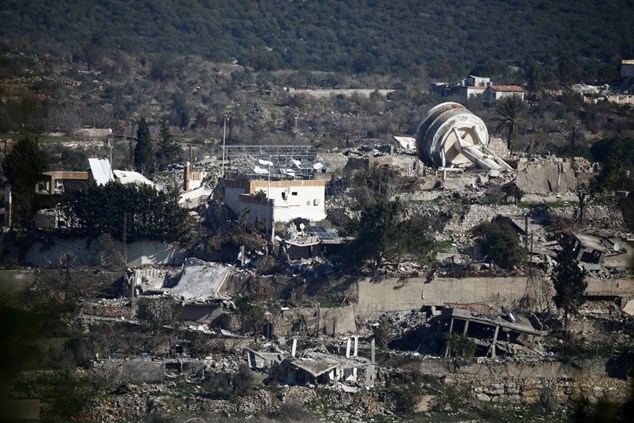
Bassil also addressed what he described as Israel’s systematic destruction in southern Lebanon, arguing that its actions were unprecedented in warfare because of the extensive and systematic targeting of infrastructure, institutions, and buildings.
He added that these practices were “destroying life in the south” and expressed concern that they might form part of an expansion of Israel’s settlement project from the West Bank and Gaza toward southern Lebanon.
He reaffirmed his opposition to this course of action and to any attempt to deprive the south of the conditions necessary for life or encroach on Lebanese territory.
From France: We Remain Committed to Greater Lebanon and Its Territorial Integrity
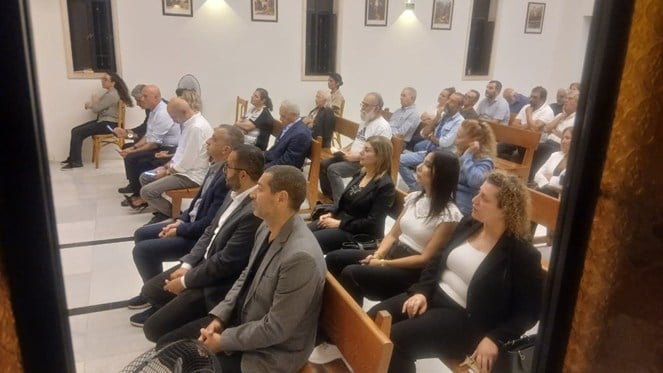
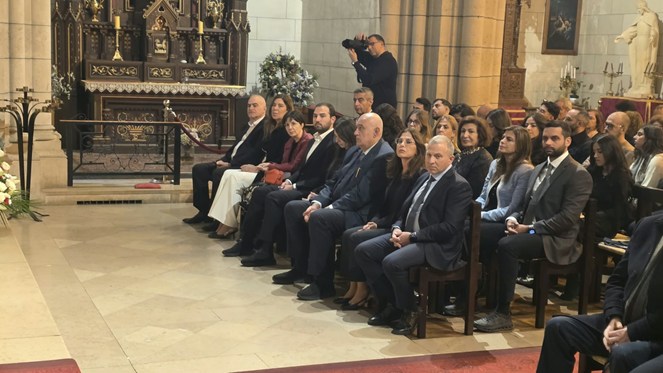
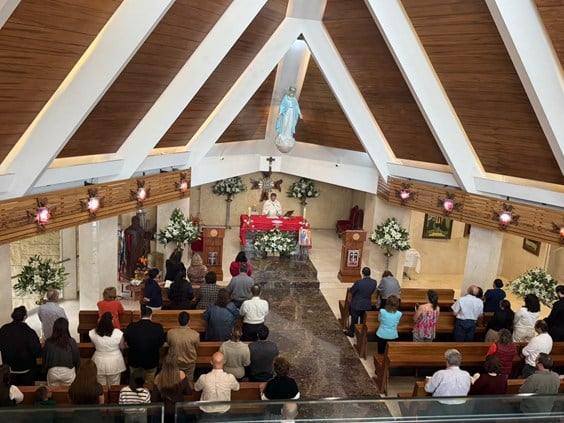
During his visit to France, Bassil explained that he was attending a ceremony marking the installation of a statue of Blessed Patriarch Elias Boutros Hoayek at Our Lady of Lebanon Cathedral in Paris.
He said Patriarch Hoayek embodied the idea of Greater Lebanon and reaffirmed the FPM’s commitment to this vision and to preserving Greater Lebanon and its territorial integrity.
“We do not want multiple Lebanons fighting one another, and we do not want to lose any part of Lebanon,” he said.
He added that Lebanon, with its identity rooted in diversity, was greater than its geographical size because its true reach extended to Lebanese communities around the world.
In his view, Lebanon’s significance could not be measured solely by its geographical borders; it also extended through the presence of Lebanese expatriates and their contributions to the societies in which they live.
Army Commander Preserved Military Unity, While President Must Take the Initiative
Assessing the role of Lebanese institutions at the current stage, Bassil said the army commander had succeeded in preserving the unity of the military institution and preventing the Lebanese from fighting one another.
As for the president, Bassil said he had succeeded in affirming that the authority to negotiate on Lebanon’s behalf rested with the president of the Republic and the Lebanese state.
However, he noted that the president had not yet succeeded in bringing the Lebanese together around a dialogue table or presenting a document outlining a defense strategy that would allow the country to begin addressing the issues of weapons and national defense through a clear domestic process.
Bassil said the president needed to take the initiative by proposing such a strategy and bringing the Lebanese together around it. By doing so, he would have fulfilled his responsibilities. If Hezbollah then refused to cooperate, the party would bear greater responsibility for obstructing a solution.
In this context, Bassil stressed that disagreements with Hezbollah should not lead to its isolation within Lebanon.
“We should not be the ones to isolate it. We must not isolate it, even if it has made mistakes that have harmed itself, its own community, and all of Lebanon,” he said.
He emphasized that resolving internal disputes required all parties to assume their responsibilities, uphold the state and its institutions, and work toward Lebanese solutions that would prevent internal confrontation while ensuring the state's exclusive control over weapons and decision-making authority.











 EXCLUSIVE

.png) EXCLUSIVE
EXCLUSIVE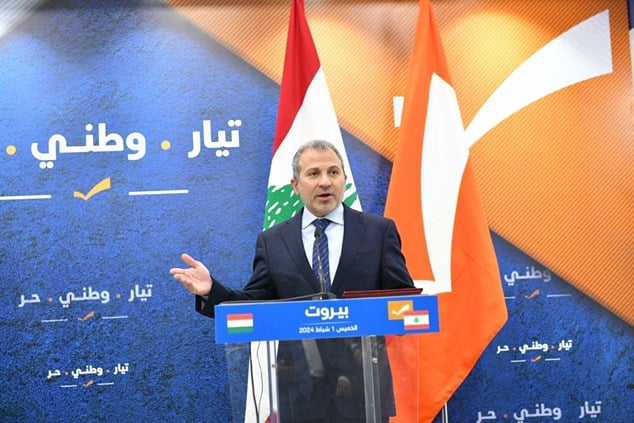
.png)
 EXCLUSIVE

 EXCLUSIVE

.webp) EXCLUSIVE
EXCLUSIVE