







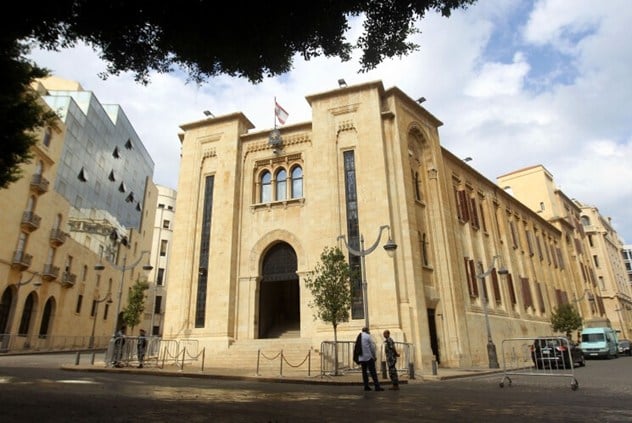
Bassil from the Parliament: The extension has exceeded the exceptional circumstances for a long period and is subject to appeal before the Constitutional Council
-
10 March 2026

-
35 mins ago

-
-
source: tayyar.org
-
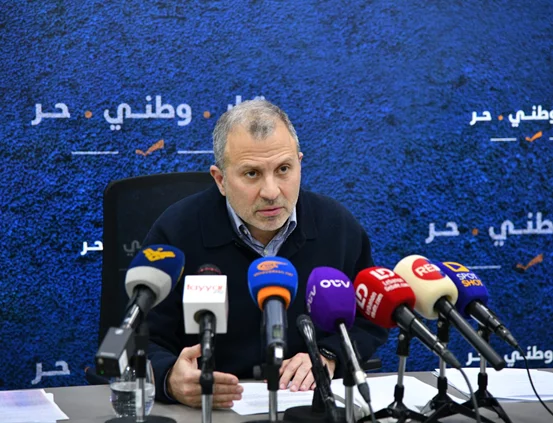
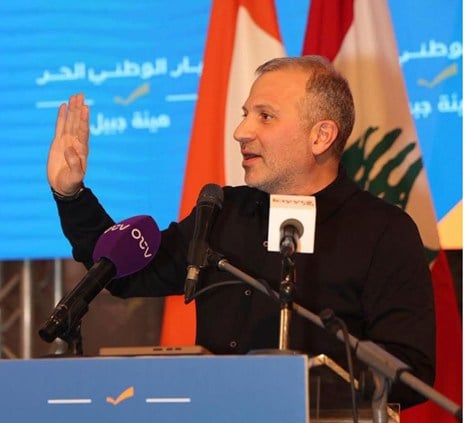
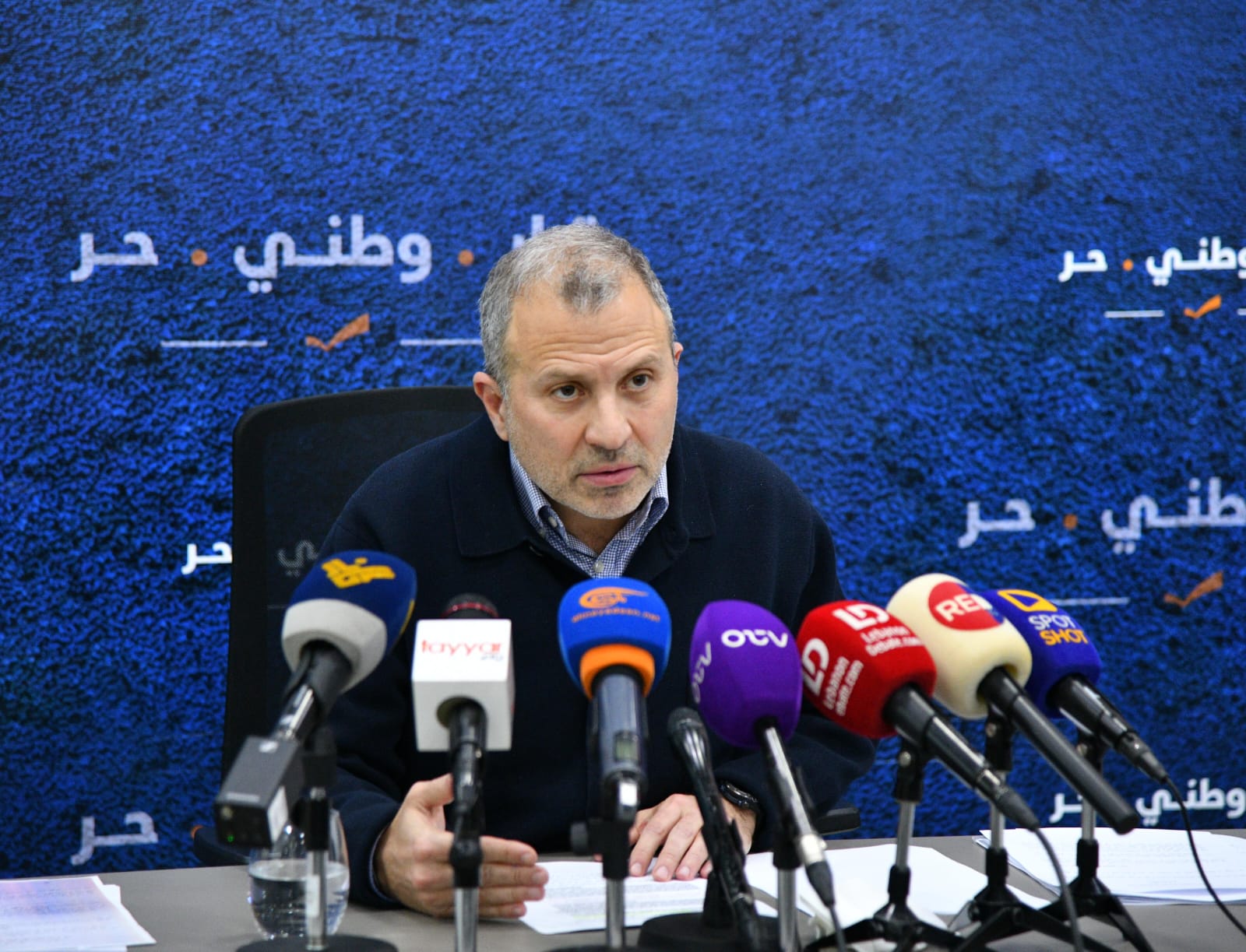
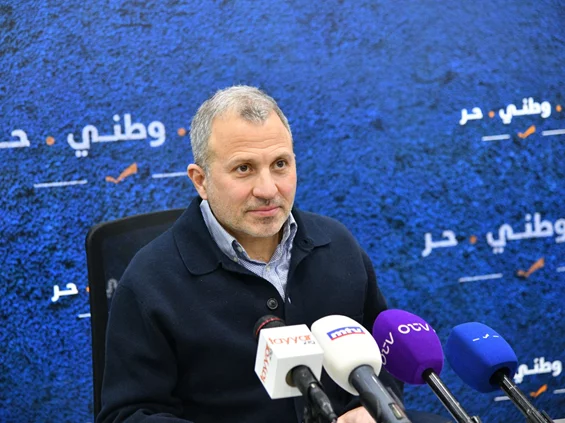
After the extension session in the Parliament, the president of the Free Patriotic Movement, MP Gebran Bassil, pointed out that “the circumstances of war are exceptional and constitute a force majeure; however, the matter has turned into something else. First, we asked the Parliament in writing to hold a general discussion session on the government, especially since, in the circumstances of war, the Parliament cannot discuss the country's situation.”
Bassil pointed out that “we are in this situation because of Israel's attacks on Lebanon, and also because Hezbollah bears some responsibility for acting unilaterally, isolated from the state and its decisions. Thirdly, the government is responsible for the current situation for two reasons. He added: “First, it committed in its ministerial statement to develop a national defense strategy to avoid the situation we are in, but it did not do so despite our repeated demands for it to fulfill its duties and commitments in this regard. Also, the government was incapable and negligent in conducting elections on time for those living abroad because it did not fulfill its duty.” He explained: “We are currently in a state of war, and it is true that these exceptional circumstances require us to postpone the elections. For this reason, I was forced to speak before the Parliament and to refer to the Constitutional Council's 2014 ruling on extending the Parliament's term, which clearly linked it to the time limit in this situation. He said that the long period cannot be justified by current data, and that justifying it with future and hypothetical data is not realistic.
Bassil believed that decisions made by the Parliament are subject to appeal before the Constitutional Council because they impact elections and the country's overall order. He said: “It is unfortunate, given our prior knowledge of all the talk about postponement, that a large section of the Parliament extended its term, taking advantage of the war instead of seeing the war as an opportunity to unite. It has become an opportunity for some to extend their terms, whether they have popular support or not, and they viewed it as a chance to gain a new parliamentary seat and prolong their terms, knowing they lack the necessary popular backing, or, for some, to avoid the trouble of elections.”
He added: “We are faced with the reality that the Parliament has extended its term by two years, or half a term, because of the current war, the extent, repercussions, and consequences of which are unknown. He warned those who care about good representation, equality, and participation in the country that this extension implies hidden intentions to undermine good representation, stressing that “it took us years to get this election law, and any change to it must lead to better representation, not undermine it and lead to poor representation as was the case in the past.”
He emphasized: “We demanded a roll call vote so that the Lebanese people would know who is extending their term for political reasons and who is extending it for personal reasons because they only care about remaining as a deputy for an additional term, knowing that if we reach the elections, they will have no place on any list and no popular support.”
He continued: “This is a betrayal of the Lebanese people, who gave the deputies a mandate that cannot be extended without consulting the Lebanese people who gave it to them. This is the worst kind of democracy when a parliament extends its own term.” He expressed his regret that “the war and its tragedies have turned into an opportunity for opportunistic deputies.”
During his speech at the extension session, Bassil said, “we proposed a four-month extension with the possibility of extending it for another four months, depending on the circumstances, up to a maximum of one year,” noting that “the situation we have reached is not only the responsibility of Israel and Hezbollah, but also of the government, which committed in its ministerial statement to developing a defense strategy and, to date, has made no effort in this regard during a year when we knew there would be elections and Israeli threats and the will of the majority of the parliament to demand the limitation of weapons.” He added, “In the election law, and regardless of the Israeli attacks, the government has put us in a crisis by refusing to fully implement a law that is in force.”
Bassil explained: “We were in a situation where 144,000 Lebanese abroad registered to elect six representatives, but the government came and took away this right as soon as the Legislative and Consultative Committee issued an opinion, and the election was subject to challenge.” He pointed out that “the war is, of course, classified as an exceptional circumstance, but the periodicity of elections is a fundamental pillar of public order and must not be violated, and forced postponement is justified by the duration of the compelling circumstances.”
Bassil stressed that “it is not possible to predict the situation from today and extend it for two years because we are elected by the people for four years and we cannot extend this mandate for ourselves on behalf of the people, otherwise the Parliament may become permanent." -
-
Just in
-
23 :59
القيادة المركزية الأميركية: قضينا على 16 ناقلة ألغام إيرانية قرب مضيق هرمز
-
23 :50
وول ستريت جورنال عن مسؤولين: واشنطن حذرت "إسرائيل" من تكرار مهاجمة منشآت الطاقة الإيرانية إلا بموافقتها
-
23 :49
وزارة الصحة: 3 شهداء إثر غارتين استهدفتا بلدة حناويه في قضاء صور
-
23 :47
التلفزيون الإيراني: إطلاق موجة صاروخية باتجاه الأراضي المحتلة
-
23 :39
القناة 12 العبرية: "إسرائيل" تستعد لسيناريو إنهاء ترامب الحرب بشكل مفاجئ
-
23 :38
الوكالة الوطنية: غارة عنيفة على انصارية قضاء صيدا
-


-
Other stories
-
-
أدرعي يرد على باسيل: إسرائيل ليست المعتدية!
-
Bassil, desde el Parlamento: la prórroga ha superado las circunstancias excepcionales y se ha prolongado durante demasiado tiempo, por lo que puede ser recurrida ante el Consejo Constitucional
-

Bassil depuis le Parlement : la prolongation a dépassé les circonstances exceptionnelles pour atteindre une durée trop longue et est susceptible d'être contestée devant le Conseil constitutionnel
-
اجتماع لخلية الأزمة لمتابعة أوضاع القرى المسيحية الحدودية
-
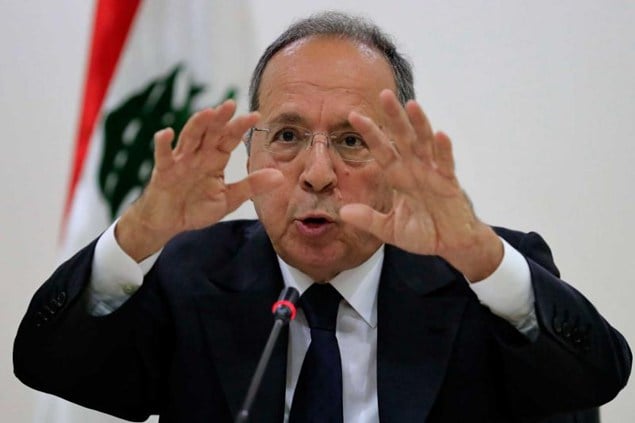
السيد: " يا إبني، تُقْبُر الشحّاد والعِيشِة تبعو"…"
-
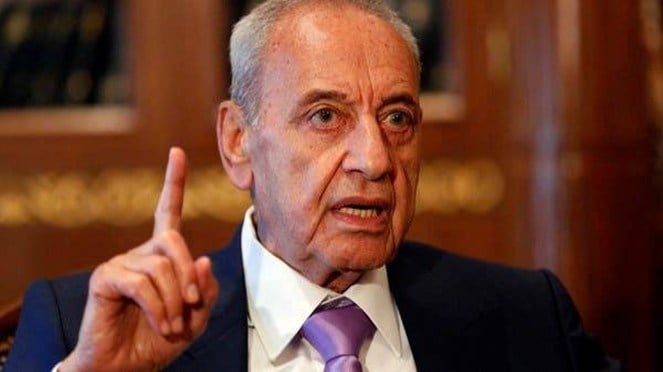
مكتب بري ينفي!
-
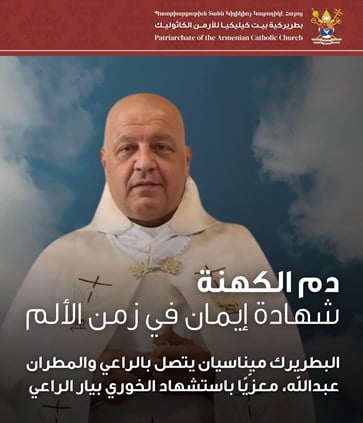
بطريركية بيت كيليكيا للأرمن الكاثوليك: ببالغ الحزن والأسى تلقّينا نبأ استشهاد الخوري بيار الراعي
-
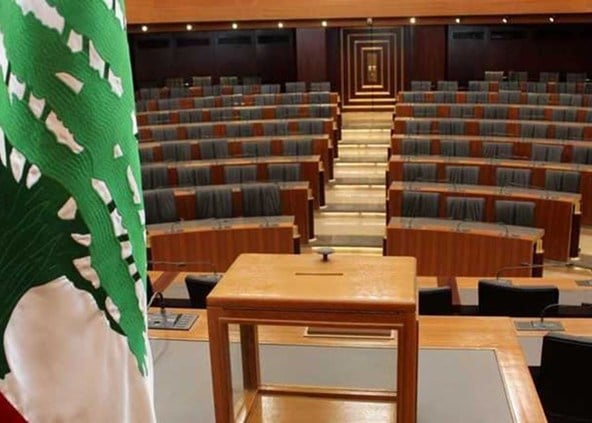
تمديد أطال سنواتهم لكنه انتقص من دستوريتهم (سامر الرز)
-
باسيل بعد اجتماع الهيئة السياسية للتيار: نحذر من مخاطر الإحتلال الإسرائيلي والمس بالجيش والفتنة والتدخل العسكري السوري
-
.png)
شو الوضع؟ الحرب الإسرائيلية تواصل التهجير جنوباً... الرئيس عون يغطي الجيش وقيادته وباسيل يحذّر من الإشارات السورية غير المطمئنة
-
.png)
بالفيديو - الإعلام الحربي "للحزب" ينشر... هكذا استهدفت محطة الإتصالات الفضائية الإسرائيلية!
-
.png)
وحدة إدارة الكوارث تنشر تقريرها اليومي... هذه هي الأعداد!
-
.png)
"لبنان القوي" يطعن بقرار التمديد!
-

تعميم صورة لقاصر مفقودة... هل تعرفون عنها شيئًا؟
-
جلسة لمجلس الوزراء الخميس في السرايا
-

بيان عاجل إلى سكان هذه القرى الجنوبية!
-
 EXCLUSIVE
كواليس - نائب مرّ من أمام رعد بلا سلام ولا كلام!
-
توضيحٌ من بلديّة جونية: إليكم ما حصل...
-
 EXCLUSIVE
خاص - الحزب يجدد الثقة ببري!
-
 EXCLUSIVE
كواليس - نواب عارضوا التمديد يضحكون في سرّهم!
-
-
Just in
-
23 :59
القيادة المركزية الأميركية: قضينا على 16 ناقلة ألغام إيرانية قرب مضيق هرمز
-
23 :50
وول ستريت جورنال عن مسؤولين: واشنطن حذرت "إسرائيل" من تكرار مهاجمة منشآت الطاقة الإيرانية إلا بموافقتها
-
23 :49
وزارة الصحة: 3 شهداء إثر غارتين استهدفتا بلدة حناويه في قضاء صور
-
23 :47
التلفزيون الإيراني: إطلاق موجة صاروخية باتجاه الأراضي المحتلة
-
23 :39
القناة 12 العبرية: "إسرائيل" تستعد لسيناريو إنهاء ترامب الحرب بشكل مفاجئ
-
23 :38
الوكالة الوطنية: غارة عنيفة على انصارية قضاء صيدا

All news
- Filter
-
-
أدرعي يرد على باسيل: إسرائيل ليست المعتدية!
-
10 March 2026
-
Bassil, desde el Parlamento: la prórroga ha superado las circunstancias excepcionales y se ha prolongado durante demasiado tiempo, por lo que puede ser recurrida ante el Consejo Constitucional
-
10 March 2026
-
Bassil depuis le Parlement : la prolongation a dépassé les circonstances exceptionnelles pour atteindre une durée trop longue et est susceptible d'être contestée devant le Conseil constitutionnel
-
10 March 2026
-
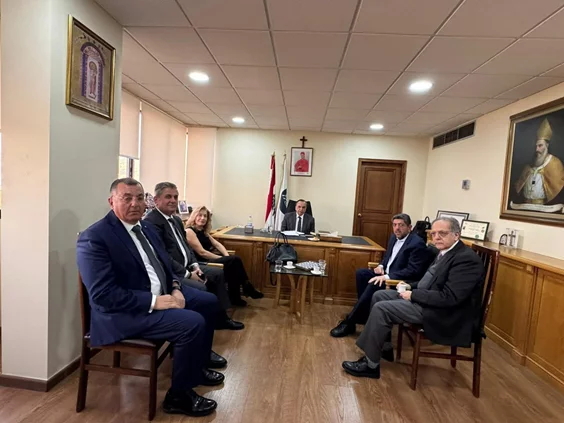
اجتماع لخلية الأزمة لمتابعة أوضاع القرى المسيحية الحدودية
-
10 March 2026
-
السيد: " يا إبني، تُقْبُر الشحّاد والعِيشِة تبعو"…"
-
10 March 2026
-
مكتب بري ينفي!
-
10 March 2026
-
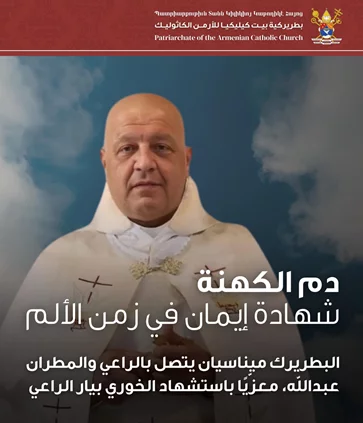
بطريركية بيت كيليكيا للأرمن الكاثوليك: ببالغ الحزن والأسى تلقّينا نبأ استشهاد الخوري بيار الراعي
-
10 March 2026
-
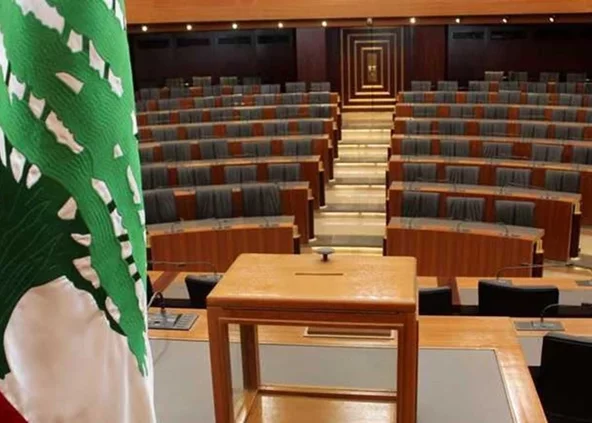
تمديد أطال سنواتهم لكنه انتقص من دستوريتهم (سامر الرز)
-
10 March 2026
-
باسيل بعد اجتماع الهيئة السياسية للتيار: نحذر من مخاطر الإحتلال الإسرائيلي والمس بالجيش والفتنة والتدخل العسكري السوري
-
10 March 2026
-
.webp)
شو الوضع؟ الحرب الإسرائيلية تواصل التهجير جنوباً... الرئيس عون يغطي الجيش وقيادته وباسيل يحذّر من الإشارات السورية غير المطمئنة
-
10 March 2026