







Bassil to Al Mayadeen: Hezbollah must accept full integration into the state framework and exclusive state control over arms… Negotiation signals are not reassuring
-
25 May 2026

-
3 months ago

-
-
source: tayyar.org
-
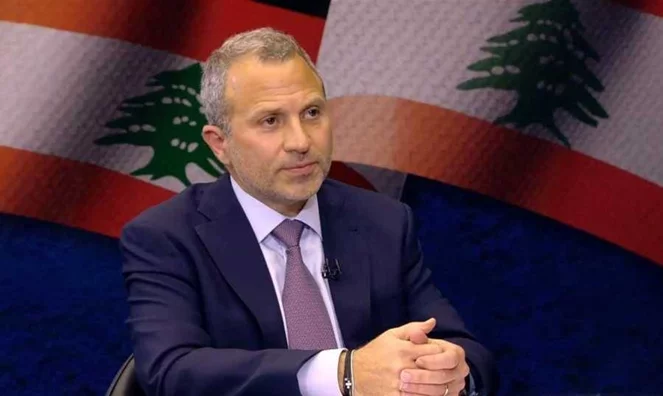
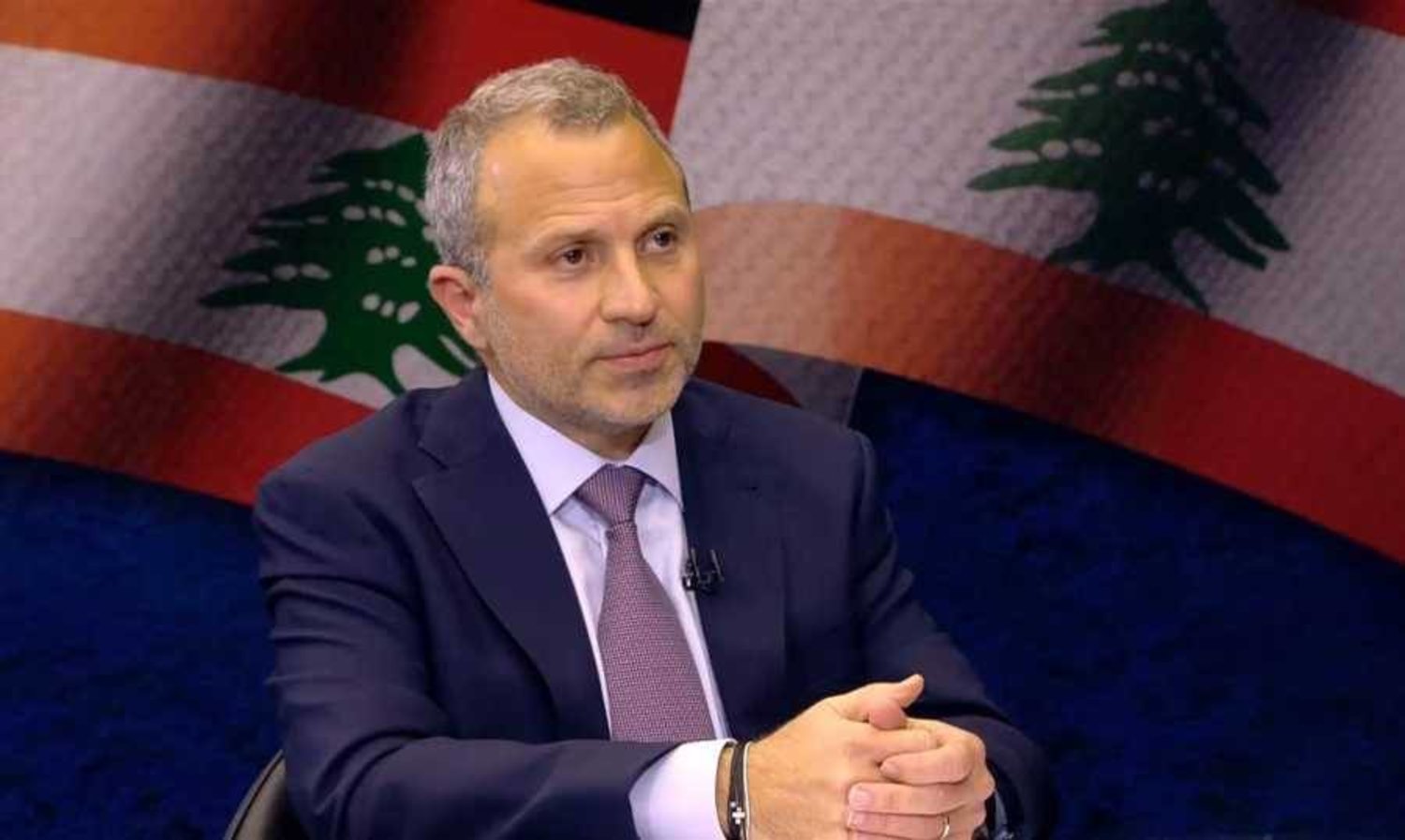
President of the Free Patriotic Movement (FPM), MP Gebran Bassil, said in an interview with Al Mayadeen’s Roni Alpha that the FPM’s political positioning has not changed and remains fundamentally Lebanese, despite disagreements with various parties.
“Our choice has always been Lebanon,” Bassil said. “The disagreement with Hezbollah began when the party adopted choices that no longer served Lebanon’s interests.”
Bassil stressed that the memorandum of understanding between the two sides “is no longer functioning as it once did and is no longer capable of protecting Lebanon,” while emphasizing that this does not justify excluding or eliminating any Lebanese component.
“We are destined to live together,” he said. “Political disagreements may exist, but they must never turn into hostility. Lebanese people cannot become enemies of one another because coexistence is the essence of Lebanon.”
Asked what message he would send to the resistance and to the families of those killed, Bassil replied: “Our hearts are with you, with every martyr, and with every home that has been destroyed. But our minds are with Lebanon. We want your hearts and minds to also be with Lebanon so that together we can save the country.”
Bassil explained that the core objective of the memorandum of understanding with Hezbollah was what he described as the “Lebanonization” of the party, meaning that Lebanon’s national priorities should come before any regional or external considerations.
He said disagreements with Hezbollah predated the support war and revolved around state-building, national partnership during President Michel Aoun’s term, and Hezbollah’s position regarding the presidential file toward the end of Aoun’s presidency.
Bassil argued that the third pillar of the understanding the defense strategy collapsed when Hezbollah shifted from deterrence and defense to offensive action.
“That attack shattered the deterrence Hezbollah once represented by preventing Israel from attacking Lebanon,” he said. “It also demonstrated that Hezbollah was no longer capable of defending Lebanon.”
He added that the imbalance of power resulted in the occupation of around 600 square kilometers of Lebanese territory and the destruction of entire villages.
“But that does not mean we justify Israel’s occupation of Lebanon, accept it, or negotiate over it,” he added.
Bassil said he could not recall “any regular army in the history of wars hiring contractors to demolish homes with bulldozers,” describing such acts as “clear war crimes committed against the Lebanese people.”
He stressed that the core disagreement with Hezbollah lies in “its lack of legitimacy in dragging Lebanon into a war the country itself did not choose.”
“But we will never side with Israel against any Lebanese component,” he said.
“Internal accountability must happen through restoring national decision-making to the Lebanese state and its institutions, and by preventing Lebanon from being dragged into wars that are not of its choosing. At the same time, we reject any attempt to eliminate or displace this component.”
Bassil argued that if the resistance is to maintain broad national support, it cannot exist outside the framework of the state, which provides legitimacy and protection for all.
“Without the state, the resistance loses both its strength and its legitimacy,” he said. “Because we do not want Hezbollah to become merely a militia, especially since it presents itself as resisting an occupier, it has no right to unilaterally decide that a war is coming and launch it on its own.”
Bassil warned that Hezbollah’s current involvement outside the state framework risks placing it outside both constitutional and national legitimacy.
“It is not enough for its sectarian environment alone to support it,” he said. “There must also be national support.”
He added that because he does not want Hezbollah to be weakened, broken, or treated according to a winner-versus-loser mentality, “its natural place is within the embrace of the state.”
In return, he said, the Lebanese state bears responsibility for securing the country’s protection using all available means, including Hezbollah itself.
Bassil said ties between the FPM and Hezbollah have not been severed, although the relationship is no longer functioning smoothly as before.
“There is still some level of understanding and willingness to listen regarding our perspective and the devastation Lebanon is witnessing,” he said. “We cannot call ourselves Lebanese and remain indifferent to the South and its people.”
Bassil argued that Hezbollah must eventually accept the necessity of fully integrating into the state framework.
“They can still play an important role in helping Lebanon emerge from the cycle of wars,” he said, adding that resistance can take many forms and that Lebanon has an opportunity to redefine both its regional role and its relationships with neighboring countries.
“Weapons alone are not enough to provide protection,” he said. “What truly matters is Lebanon’s role.”
Bassil reiterated that “armed resistance carries political and national costs,” while emphasizing that he would never call for disarmament at a time when Israeli forces occupy Lebanese territory.
“But what I am saying,” he continued, “is that there must be acceptance of the principle of exclusive state control over arms, and more importantly, that national decision-making authority must return to the Lebanese state.”
He stressed that the state alone should negotiate on behalf of Lebanon and that its negotiating position should be guided solely by Lebanon’s interests and those of its people. -
-
Just in
-
23 :15
معلومات للـLBCI: المحامي العام التمييزي القاضي محمد صعب أنجز مطالعة النيابة العامة في ملف انفجار مرفأ بيروت ووقعها وختمها وسيُسلّمها مع كامل المستندات الثلثاء المقبل الى المحقق العدلي القاضي طارق البيطار تمهيداً لإصدار القرار الإتهامي
-
22 :30
النائب أسعد درغام - الجديد: قرار حزب الله مرتبط بإيران ونحن في مرحلة انتظار نأمل ألا تكون قاتلة
-
22 :29
رئيس وزراء أيرلندا: أوروبا لا تملك القدرة على مساءلة إسرائيل
-
22 :13
خاص - الحكومة بين المطرقة والسندان.. ما وراء دعوة بري لمساءلتها؟ تتمة
-
22 :04
بالصورة: حادث سير مروع يودي بحياة مدير مدرسة! تتمة

-
21 :49
خاص - هذا ما قاله نتانياهو لمسؤولة أممية بارزة! تتمة
-


-
Other stories
-
-
«المركزي الهندي» يُبقي الفائدة دون تغيير ترقباً لتأثير ارتفاع النفط على التضخم
-
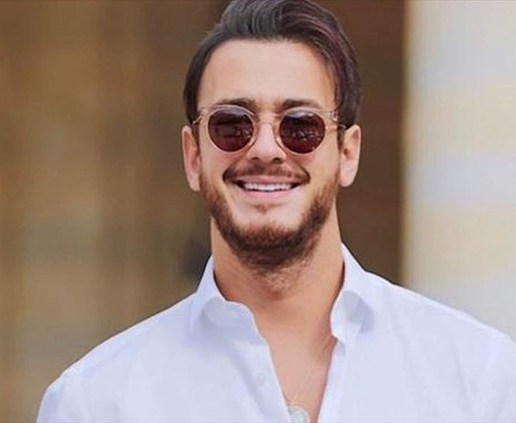
سعد لمجرّد يَمثُل أمام القضاء الفرنسي بتهمة الاغتصاب
-
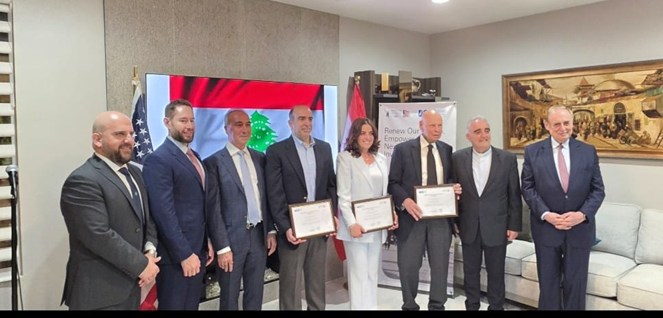
جامعة سيدة اللويزة NDU تقيم حفل جمع تبرعات في لوس انجلوس دعماً لصندوق الطالب وتكرّم مغتربين لبنانيين تقديراً لنجاحاتهم
-
جورج عطالله: كأن مآسينا تستنسخ بعضها
-

هاني شاكر يتلقى رسائل دعم من الوسط الفني بعد وعكته الصحية
-
البريطانيون على موعد مع "الأمطار الدموية" المرعبة خلال أيام
-
"المرابطون "في ذكرى عبد الناصر: سيظل رمزا نادرا من رموز نهضة الأمة ومنارة في الايام الصعبة
-
فعلها سعيد وتكلّم عن المحظور... لا فجوة بل دين دولة من أموال المودعين!
-
عالمان مختلفان موسيقيّاً أشعلا الحضور في المارينا ضبية - الناقد الموسيقي شارل سميا
-
-
Just in
-
23 :15
معلومات للـLBCI: المحامي العام التمييزي القاضي محمد صعب أنجز مطالعة النيابة العامة في ملف انفجار مرفأ بيروت ووقعها وختمها وسيُسلّمها مع كامل المستندات الثلثاء المقبل الى المحقق العدلي القاضي طارق البيطار تمهيداً لإصدار القرار الإتهامي
-
22 :30
النائب أسعد درغام - الجديد: قرار حزب الله مرتبط بإيران ونحن في مرحلة انتظار نأمل ألا تكون قاتلة
-
22 :29
رئيس وزراء أيرلندا: أوروبا لا تملك القدرة على مساءلة إسرائيل
-
22 :13
خاص - الحكومة بين المطرقة والسندان.. ما وراء دعوة بري لمساءلتها؟ تتمة
-
22 :04
بالصورة: حادث سير مروع يودي بحياة مدير مدرسة! تتمة
-
21 :49
خاص - هذا ما قاله نتانياهو لمسؤولة أممية بارزة! تتمة

All news
- Filter
-
-
 EXCLUSIVE
خاص - الحكومة بين المطرقة والسندان.. ما وراء دعوة بري لمساءلتها؟
-
13 September 2026
-

بالصورة: حادث سير مروع يودي بحياة مدير مدرسة!
-
13 September 2026
-
 EXCLUSIVE
خاص - هذا ما قاله نتانياهو لمسؤولة أممية بارزة!
-
13 September 2026
-
 EXCLUSIVE
خاص - هذا ما سمعه وزير من مسؤولين عرب وأجانب
-
13 September 2026
-
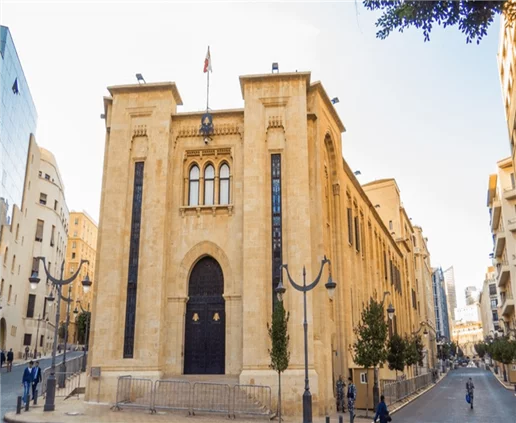 EXCLUSIVE
خاص - هل يتوافر نصاب جلسة مساءلة الحكومة؟
-
13 September 2026
-
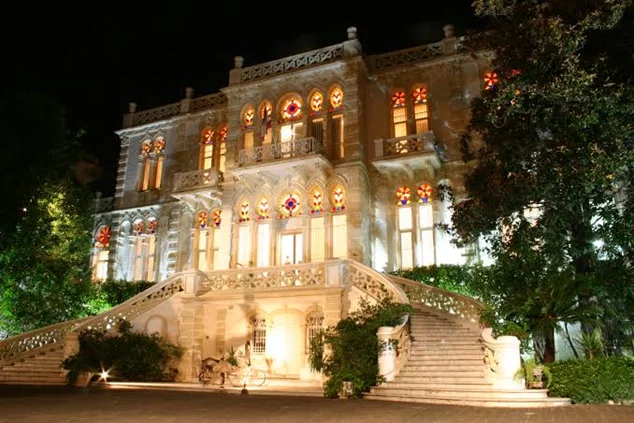
قصر سرسق يلغي حفل زفاف نجل نائب لبناني !
-
13 September 2026
-
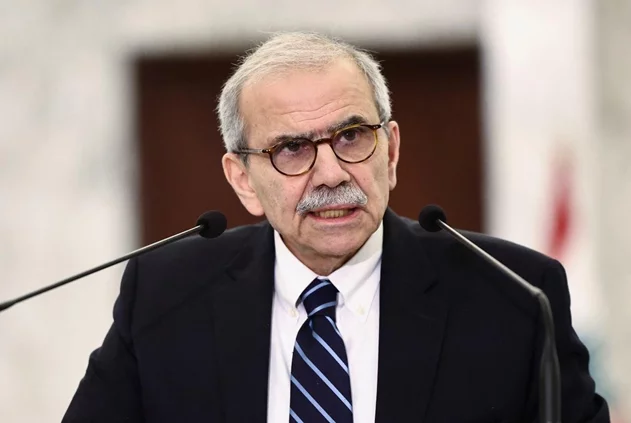
سلام في ذكرى اغتيال الجميّل: الاغتيال قد ينهي حياة لكنه لم ينجح في حسم خلاف
-
13 September 2026
-
مطلوب دم
-
13 September 2026
-
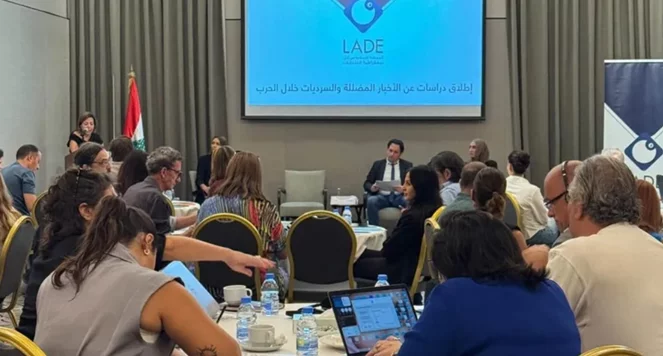
سرديات الحرب المتناقضة والتضليل يلاحقان الناخب اللبناني
-
13 September 2026
-

بالفيديو: دخلوا إلى مبنى فنانة لبنانيّة شهيرة وهذا ما فعلوه!
-
13 September 2026