







Bassil Presents Proposal for International Guarantee and Enforcement Force to Secure Israeli Withdrawal Within Three Months and Exclusive State Control Over Arms
-
12 November 2026

-
56 mins ago

-
-
source: tayyar.org
-
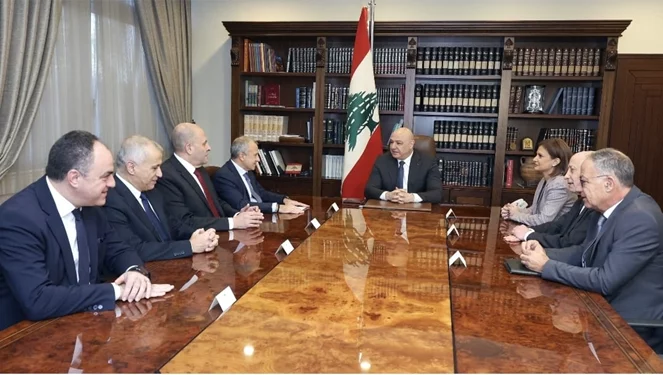
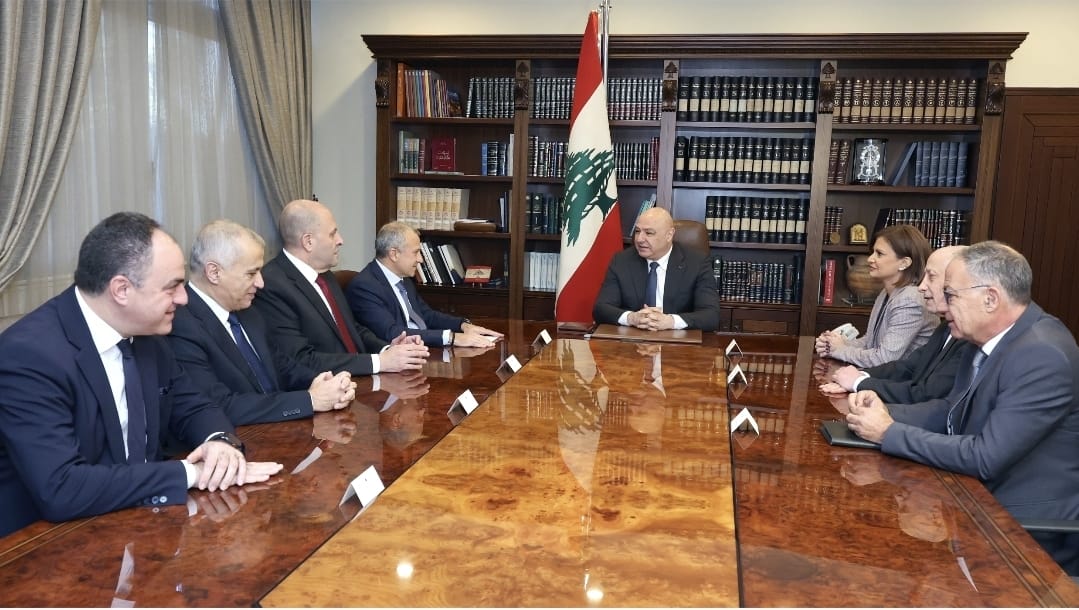
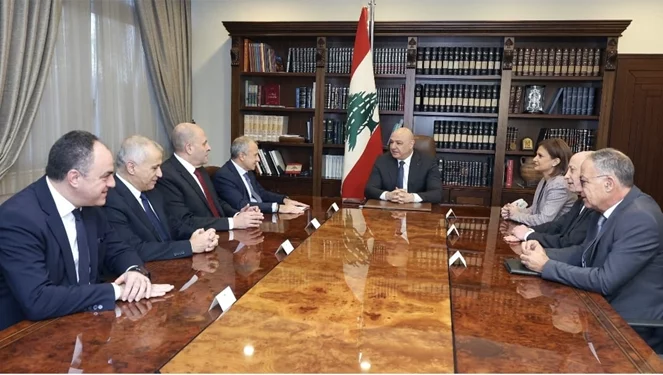
Free Patriotic Movement (FPM) leader MP Gebran Bassil, accompanied by FPM delegations, met with President Joseph Aoun, Parliament Speaker Nabih Berri, and Prime Minister Nawaf Salam to present a proposal for the establishment of an "International Guarantee and Enforcement Force" in southern Lebanon.
The proposal aims to address the security and international institutional vacuum, secure Israel's full withdrawal from Lebanese territory, halt Israeli attacks, and strengthen Lebanese sovereignty and the state's exclusive control over arms.
The proposal calls for a new UN Security Council resolution establishing an international force with effective enforcement powers and balanced participation from the five permanent members of the Security Council.
It would set binding deadlines for key commitments, including three months for Israel's complete withdrawal and one year for placing all arms, as well as military and security decision-making, under the exclusive authority of the Lebanese state.
The proposal also includes international verification and accountability mechanisms, guarantees to protect Lebanese sovereignty, and provisions to keep Lebanon out of regional conflicts and wars. It would neither make Israel's withdrawal conditional on exclusive state control over arms nor impose normalization with Israel.
Following his meeting with President Aoun, Bassil explained that the proposal was intended to address several major challenges facing Lebanon.
"First, we are currently in a period of uncertainty, waiting to see whether Israel will launch a war against Lebanon or whether a wider war will break out in the region," Bassil said.
He noted that this uncertainty creates the risk of a security vacuum in southern Lebanon, particularly with UNIFIL's mandate approaching its end, adding that the proposed international force would address this situation.
Bassil also highlighted what he described as a vacuum in the international framework governing Lebanon. He explained that previous UN resolutions concerning Lebanon were no longer being treated as the main reference, particularly after the framework agreement, which did not mention them.
He therefore stressed the need for a new international resolution, emphasizing that Lebanon's constitutional authorities should take the initiative, make the necessary decisions, and formally bring the matter before the UN Security Council.
Bassil said the proposed resolution would provide an international framework to secure Israel's full withdrawal within three months, halt Israeli attacks, facilitate the return of displaced Lebanese citizens and Lebanese captives, and support reconstruction.
He added that the resolution would also establish a timeline for ensuring exclusive state control over arms and military and security decision-making, extending the Lebanese state's authority throughout its territory, particularly in areas vacated by Israeli forces, and strengthening the Lebanese Armed Forces (LAF).
Bassil stressed that the presence of an international force would remove Israel's stated justification for military action on the grounds of protecting its territory, since the force would be responsible for preventing security threats.
He also emphasized the importance of balanced international representation, proposing that the force include personnel from all five permanent members of the UN Security Council: the United States, the United Kingdom, France, Russia, and China.
According to Bassil, their participation would help ensure a balanced international approach toward both Lebanon and Israel.
Bassil stressed that Israel's withdrawal must not be linked to the issue of Hezbollah's weapons. At the same time, the proposed resolution would require the Lebanese state to fulfill its commitments regarding exclusive control over arms.
"In this way, we would secure the two conditions necessary for Lebanese sovereignty: Israel's withdrawal on the one hand, and exclusive state control over arms on the other," he said.
Bassil also underlined the importance of adopting a national defense strategy or a national security strategy, noting that President Aoun had committed to this objective in his inaugural address and that the government had included it in its ministerial statement.
He stressed, however, that developing such a strategy must remain an internal Lebanese process rather than an obligation imposed from abroad, and that Israel must not make its withdrawal conditional on the strategy's adoption.
Bassil acknowledged that adopting such a strategy is a necessary responsibility for Lebanon. Nevertheless, he argued that the Lebanese authorities' failure to adopt one so far should not prevent Israel's withdrawal or the implementation of exclusive state control over arms under the proposed international resolution.
Bassil also proposed that the new international resolution explicitly include a provision aimed at keeping Lebanon out of regional conflicts and wars, describing this as a first for an international resolution concerning Lebanon.
"Lebanon is not a land of war, but a land of peace," he said.
He called for international guarantees to protect Lebanon from regional conflicts, suggesting that these guarantees could be accompanied by defense agreements with countries capable of providing Lebanon with the necessary protection.
Bassil further explained that the proposed resolution would express Lebanon's willingness to reach an armistice, followed by a phase of lasting stability and calm on both sides of the border, ultimately paving the way for a just and lasting peace.
He stressed that any progress toward peace must be based on securing all of Lebanon's rights and must not allow Israel to use its occupation of Lebanese territory to impose normalization.
Concluding his remarks, Bassil said the proposal had been submitted to President Aoun for consideration.
He explained that, if President Aoun and Prime Minister Salam approve it, they could instruct the Ministry of Foreign Affairs to formally submit the proposal to the UN Security Council through the appropriate procedures, followed by consultations with the Council's permanent members and other countries.
Bassil said such an initiative would allow Lebanon to move "from a state of uncertainty and vacuum to one of national initiative." -
-
Just in
-
16 :34
إعلام أميركي: مطلق النار بواشنطن دخل لناد رياضي وأطلق النار على شخص ثم فرّ
-
16 :31
رحيل المناضلة رندا المر بعد نضال طويل في سبيل لبنان... وشقيقتها نعتها بكلمات مؤثرة تتمة
-
16 :29
Bassil presenta a Aoun, Berri y Salam una propuesta para crear una "Fuerza Internacional de Garantía y Ejecución": el objetivo es lograr la retirada israelí en tres meses y garantizar el monopolio del Estado sobre las armas Lire la suite
-
16 :20
"سي إن إن" عن مصادر: صدور إشعار بالبقاء في المنازل لسكان الأحياء القريبة من موقع إطلاق نار في واشنطن
-
16 :19
Bassil présente à Aoun, Berri et Salam une proposition de " Force internationale de garantie et d’exécution " : objectif, un retrait israélien sous trois mois et le monopole de l’État sur les armes Lire la suite
-
16 :12
"لقد ولّت تلك الأيام"... ترامب: لسنا بحاجة إلى اتّفاق مع إيران! تتمة
-


-
Other stories
-
-
أثناء قطفهم الزيتون... مجهولون سرقوا 26 ألف دولار من منزلهم!
-
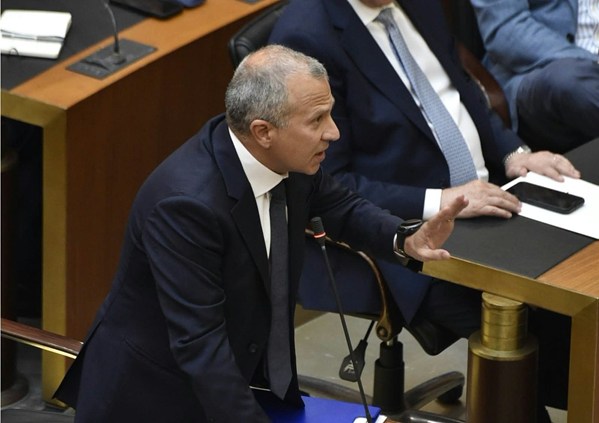
بالفيديو - تصريح رئيس تكتل لبنان القوي النائب جبران باسيل من المجلس النيابي
-

بشأن الجثة التي عُثر عليها في طريق الجديدة... هذا ما كشفته فحوصات الـ DNA!
-

سحب منتجات ألبان وأجبان لهذا المعمل من الأسواق وتعليق التداول بها!
-
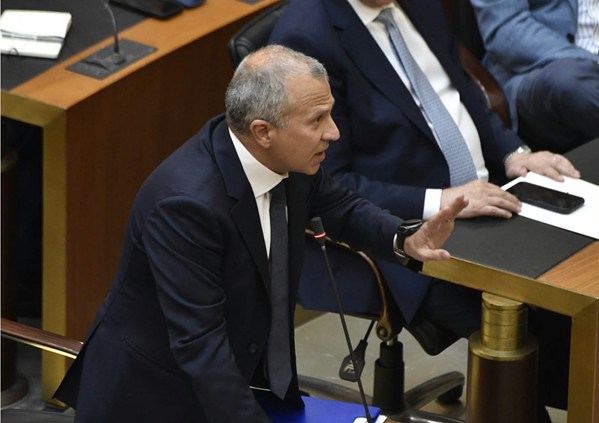
باسيل من مجلس النواب ينتقد محاولة إلغاء قروض الطريق الساحلي الجنوبي وزيادة تغذية بيروت بالمياه وكلية الصحة - الفنار
-
إليكم جديد قضيّة مقتل النائب العراقي السابق...!
-
ماذا أقرّ مجلس النواب؟
-

تاتش تكثّف أعمالها الميدانية لتحديث الشبكة وتستبدل التجهيزات القديمة بتكنولوجيا جاهزة للجيل الخامس
-
 EXCLUSIVE
بالفيديو - علي الأمين لـ TTV plus: «فوت قاتل إذا بتسترجي… رصاصة وحدة، والإسرائيلي بيصير ببيروت»! وشو ناطر محمد رعد؟
-
.png)
منير يونس: هذا ما يدور حول الفجوة المالية!
-
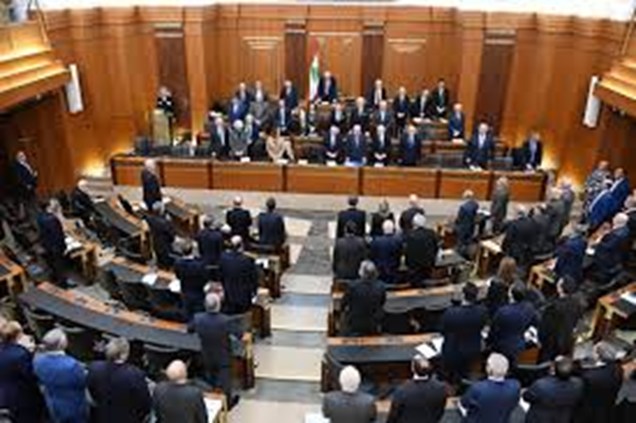
الجميل طالب بري بالرد على رئيس مجلس الشورى الإيراني.. وهكذا جاء الرد!
-
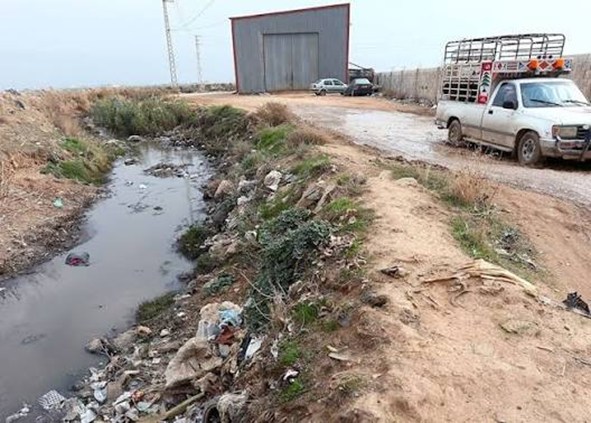
بالفيديو 5 -بالمئة فقط من مياه الصرف تُعالَج.. أين ذهبت المليارات؟
-

بالصور - 330 كيلوغرامًا من اللحوم في قبضة أمن الدولة!
-

هزّة أرضية تضرب جنوب لبنان فجراً
-
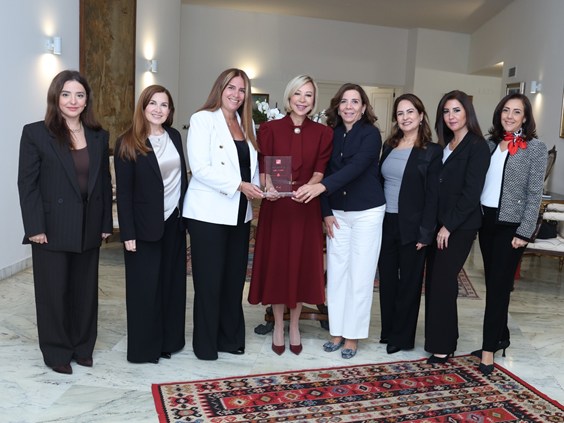
اللبنانية الاولى السيدة نعمت عون استقبلت وفدا من شركة ألفا
-
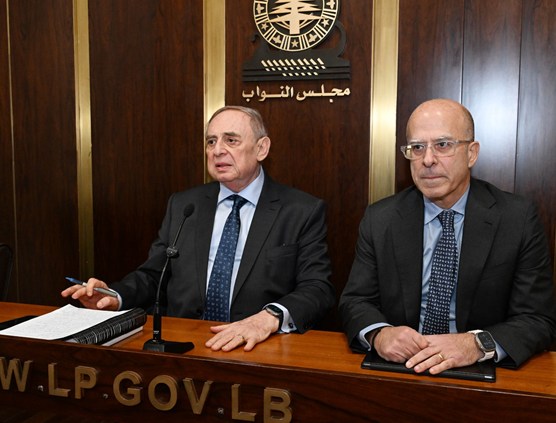
البستاني بعد اجتماع لجنة الاقتصاد: إعادة هيكلة القطاع العام تسبق التوظيف، واستنكار لتجاوزات جهاز الإستقصاء في دير القمر
-

حادث مروّع على جسر الرينغ فجراً... شاحنة تخترق الحاجز الإسمنتي!
-

معرض للجمعية اللبنانية لهواة جمع الطوابع والتاريخ البريدي
-
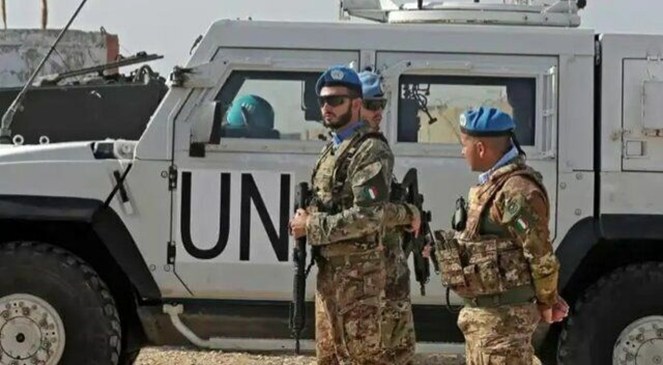
المدن: روبيو ينعى اليونيفل وسباق البحث عن بديل انطلق بتكتّم... ماذا عن طرح "لبنان القوي"؟
-

المدن: سيارة CRV وبريد ميّت: جديد خُماسية "الحزب" في بشرّي
-
-
Just in
-
16 :34
إعلام أميركي: مطلق النار بواشنطن دخل لناد رياضي وأطلق النار على شخص ثم فرّ
-
16 :31
رحيل المناضلة رندا المر بعد نضال طويل في سبيل لبنان... وشقيقتها نعتها بكلمات مؤثرة تتمة
-
16 :29
Bassil presenta a Aoun, Berri y Salam una propuesta para crear una "Fuerza Internacional de Garantía y Ejecución": el objetivo es lograr la retirada israelí en tres meses y garantizar el monopolio del Estado sobre las armas Lire la suite
-
16 :20
"سي إن إن" عن مصادر: صدور إشعار بالبقاء في المنازل لسكان الأحياء القريبة من موقع إطلاق نار في واشنطن
-
16 :19
Bassil présente à Aoun, Berri et Salam une proposition de " Force internationale de garantie et d’exécution " : objectif, un retrait israélien sous trois mois et le monopole de l’État sur les armes Lire la suite
-
16 :12
"لقد ولّت تلك الأيام"... ترامب: لسنا بحاجة إلى اتّفاق مع إيران! تتمة

All news
- Filter
-
-
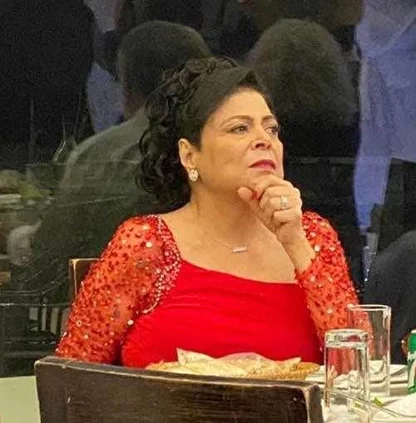
رحيل المناضلة رندا المر بعد نضال طويل في سبيل لبنان... وشقيقتها نعتها بكلمات مؤثرة
-
12 November 2026
-
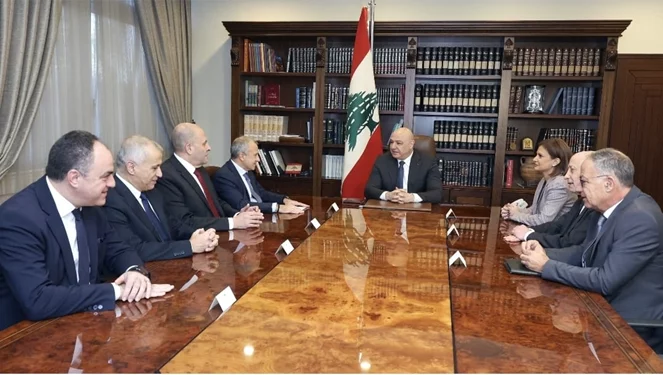
Bassil presenta a Aoun, Berri y Salam una propuesta para crear una "Fuerza Internacional de Garantía y Ejecución": el objetivo es lograr la retirada israelí en tres meses y garantizar el monopolio del Estado sobre las armas
-
12 November 2026
-
Bassil présente à Aoun, Berri et Salam une proposition de " Force internationale de garantie et d’exécution " : objectif, un retrait israélien sous trois mois et le monopole de l’État sur les armes
-
12 November 2026
-

"لقد ولّت تلك الأيام"... ترامب: لسنا بحاجة إلى اتّفاق مع إيران!
-
12 November 2026
-
أثناء قطفهم الزيتون... مجهولون سرقوا 26 ألف دولار من منزلهم!
-
12 November 2026
-
بالفيديو - تصريح رئيس تكتل لبنان القوي النائب جبران باسيل من المجلس النيابي
-
12 November 2026
-

بشأن الجثة التي عُثر عليها في طريق الجديدة... هذا ما كشفته فحوصات الـ DNA!
-
12 November 2026
-

أثناء عبورهما الطريق.. سيارة مسرعة تودي بحياة مسن وحفيده!
-
12 November 2026
-

6 أطعمة على مائدتك قد تخفض ضغط الدم.. لا تتجاهلها
-
12 November 2026
-

سحب منتجات ألبان وأجبان لهذا المعمل من الأسواق وتعليق التداول بها!
-
12 November 2026