







Bassil Calls for Dialogue to Avert Internal War, Backs Army and Warns Against Relying on Israel
-
29 October 2026

-
1 hr ago

-
-
source: tayyar.org
-
Free Patriotic Movement (FPM) leader MP Gebran Bassil stressed the importance of dialogue among the Lebanese and the need to avoid internal war, reaffirming his support for the Lebanese Army and rejecting attempts to classify its commander as either a supporter or an opponent.
He also emphasized the need to distinguish between opposing collective land sales aimed at preserving the land and the area's distinctive character, and allowing individual property purchases, warning against slipping into an outright rejection of others.
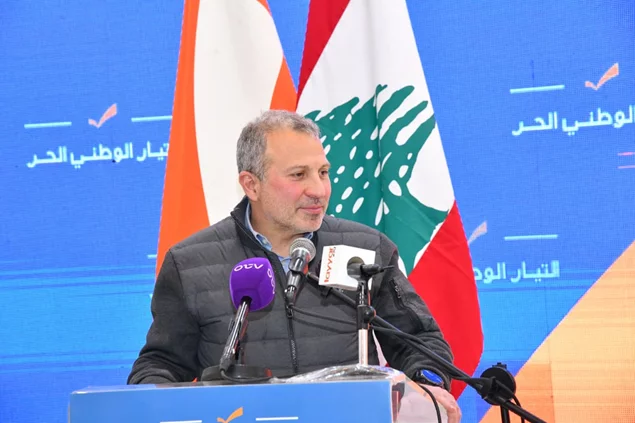
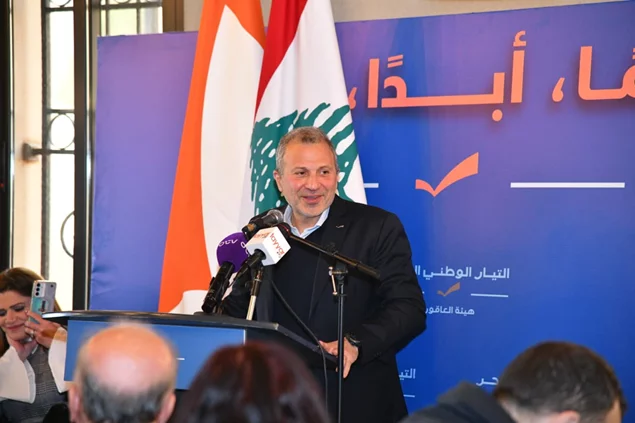
Speaking at a dinner hosted by the FPM's Metn District Committee, Bassil addressed political representation in Metn, electricity and energy issues, disputes within the government, and the controversy surrounding the referral of an explosives case to the Judicial Council.
Bassil opened his speech by declaring, "Our words are Lebanese because we are children of grace, not of a curse."
He described the ability to serve and give as a blessing that carries responsibility, saying, "Wherever we are, we consider it a blessing to be able to serve and give, and that is the least we can do."
He added, "We belong to the Lebanese national school founded by a hero, our leader, General Michel Aoun."
Bassil emphasized the importance of the Metn district, citing "its people, history, diversity, standing, and future," and called on everyone to live up to its significance.
He stated, "Lebanon must remain for the Lebanese, and Metn for its people. We will not accept our children emigrating only to be replaced by displaced persons and refugees."
Addressing the political situation in Metn, Bassil urged residents not to succumb to "manufactured fear and rumors," asserting that the FPM's exclusion from parliamentary representation in the district would not last.
Regarding reports circulating about certain real estate matters in Metn, he stressed the need to protect the area's distinctive character without turning every project or property transaction into a source of fear.
"We must preserve Metn and its distinctive character, but we must not live under the influence of rumors. Yes, we must not accept the existence of a weapons tunnel or a drug-smuggling tunnel in Metn," he said.
Bassil affirmed, "We must preserve our land for the people of Metn, and any suspicious collective land sale is unacceptable."
At the same time, he warned against becoming a society that rejects others.
"If someone wants to live among us, they are welcome. But if an entire group comes and takes our place, we certainly will not accept that. This is our home and our land, and no one will take it away from us," he said.
He continued, "We must remain rooted in our land and preserve it, but we must not reject others outright."
Turning to the electricity sector, Bassil criticized what he described as attempts to present old projects as new achievements.
"Rumors have spread to everything. We hear about a major achievement involving the construction of small, scattered solar power plants across various regions, with promises that electricity will be available in two years. Six months have already passed, and two years from now, they will promise you another two years," he said.
Bassil explained that the tender for solar energy projects had been conducted ten years earlier and that the necessary licenses had been granted at the time, arguing that the project "now requires nothing more than implementation."
He added that another project, with a capacity of 225 megawatts, had been awarded more than ten years ago.
Addressing private-sector participation in electricity generation, Bassil said, "They tell you that the great achievement is bringing in the private sector. The truth is that the Deir Ammar power plant project was awarded 15 years ago, but it was subsequently halted over a payment issue. When we discovered that this was the reason, we adopted a decision in the Council of Ministers, and the project was awarded to the private sector."
He stressed, "What matters is that they should not come, after twenty years of delays and two years since taking over the ministry, to sell the Lebanese people false promises and present achievements accomplished ten years ago as new ones."
On government and judicial affairs, Bassil criticized the recent dispute over referring the explosives case to the Judicial Council.
He described what he considered a contradiction within the authorities, emphasizing that the FPM opposes the transportation of explosives.
"We are against anyone transporting explosives. Whoever does so must be prosecuted and held accountable by the competent judicial authorities. But one cannot invent a new issue every day simply to create a dispute," he said.
Bassil recalled the disagreement over referring the Beirut Port explosion case to the Judicial Council.
"We disagreed at the time and did not support referring the case to the Judicial Council because we knew it would take time. Seven years have passed, and the case remains where it was, before the investigating judge at the Judicial Council," he said.
Criticizing the conduct of certain political parties participating in the government, Bassil stated, "Either you support the government or you withdraw from it, but you want to play both roles. On the one hand, you say you have suspended your participation, while on the other, you secure government appointments and divide them among yourselves."
He added that "deceiving the people must not continue," stressing that the FPM was fulfilling its role in opposition by clarifying facts and exposing the government's actions.
"The FPM is carrying out the necessary opposition role. That is why we clarify the facts and expose everything the government is doing," he said.
Bassil emphasized that the core of the dispute with the FPM stems from its commitment to independent Lebanese decision-making and state sovereignty.
"Their problem with us is that we refuse to allow any state to occupy us, impose its tutelage on us, or issue orders for us to carry out," he said.
He added that regardless of the policies pursued by the FPM during previous periods, "no one was able to place themselves above the state when we held positions of responsibility," citing negotiations with Israel as an example.
"When we negotiated with Israel, we secured our rights. We did not make concessions or surrender, nor did we make false promises to the Lebanese people," he said.
Bassil affirmed that former President General Michel Aoun had been among the most committed to adopting decisions that would enable the Lebanese Army to take charge and enforce state sovereignty.
In this context, he criticized those who had "constrained the army" only to later engage in political one-upmanship over their support for it, as well as attempts to categorize the army commander as either a supporter or an opponent.
"Anyone who cannot tolerate the army having the final say, and who harbors hostility toward their own army, keeps inventing problems with it," he said.
Regarding the government's position on Hezbollah and the issue of weapons, Bassil called for clarity in decision-making and for those responsible to assume responsibility for implementing their decisions.
"If the government considers Hezbollah a gang of evildoers, then let it expel Hezbollah from the government and refuse to allow it to remain at the same table, while a member of parliament comes out and declares that these explosives belong to us," he said.
He added, "Either make a decision and be prepared to stand by it, or find a way to implement it. Either enforce it by force without dragging the country into war, or implement it through dialogue."
Bassil concluded by reiterating the FPM's call for dialogue to spare Lebanon another war, warning against relying on Israeli military intervention to achieve what domestic political forces are unable to accomplish themselves.
"This is why the FPM calls for dialogue to spare the country another war. Do not flex someone else's muscles or rely on Israel to wage a war on your behalf," he said.
Bassil also addressed the FPM's parliamentary representation in Metn, declaring, "In Metn, we were denied the right to have MPs, but there is no doubt that we will have new MPs in the next elections. No right is ever lost, and no truth can remain hidden. No one can strip people of their right to representation when they have an established presence, strength, popularity, and capabilities."
He added, "This passing moment will fade, and they will fade with it, but the FPM will remain."
Bassil stressed that the absence of MPs did not mean the absence of the FPM's political voice, noting that "Metn is rich in leaders and cadres who will carry on the mission."
"We have a voice, even if we do not have MPs," he concluded. -
-
Just in
-
14 :00
قطعة صغيرة في مفصلة آيفون ديو قد تكون السبب وراء تشقق الشاشة الداخلية تتمة
-
14 :00
الإمارات وكندا توقعان اتفاقية الشراكة الاقتصادية الشاملة تتمة
-
13 :00
برشلونة يُغرّم 602 يورو بسبب خوليان ألفاريز.. ما القصة؟ تتمة
-
12 :00
الفيدرالي يثبّت الفائدة ويلوّح بالرفع.. و"وول ستريت" تغلق على ارتفاع تتمة
-
11 :00
طريقة إيقاف تتبع الموقع الجغرافي للتطبيقات على أندرويد وآيفون تتمة
-
10 :54
الرئيس عون خلال استقباله وزيرة التعاون الاقتصادي والتنمية الألمانية: لبنان متمسّك بالحلول الدبلوماسية والتفاوضية ودعم الجيش
-


-
Other stories
-
-
آخر إشارة له في جبيل.. كاهن مفقود منذ الأمس!
-
خبرٌ سارّ للعاملين في القطاع العام
-
آخر معاقل الحزب في الجنوب.. هل اقتربت المعركة؟
-
الإسرائيليون انتخبوا الكنيست... فهل يشكّل ترامب حكومة تل أبيب؟ (أنطوان قسطنطين)
-
أزمة إيجارات تلوح في الأفق
-

الخلاف حول تفسير الدستور: مواجهة قضائيّة أم سياسيّة؟
-
لبنان في عين عاصفة نتنياهو: سيناريوهات ما بعد الانتخابات؟
-
بدل النقل في خدمة أصحاب العمل والسلطة
-

لبنانيون يطبِّقون وضعية الاستعداد لمواجهة أي حرب مقبلة
-

التمسك بالخيار الدبلوماسي في انهاء الاحتلال الاسرائيلي للجنوب
-
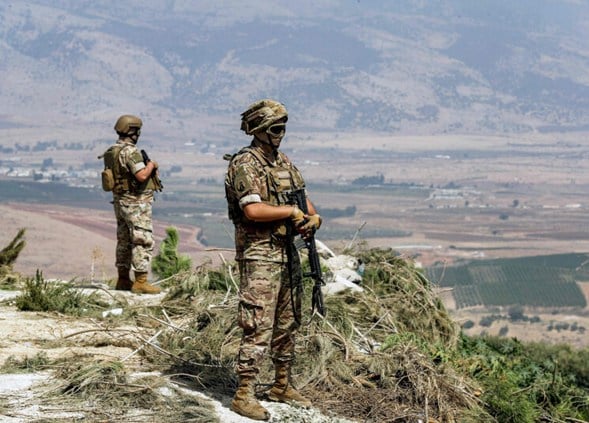
الضغوط السياسية والامنية ستستمر على لبنان في موضوع جمع سلاح
-
أسرار الصحف ليوم الخميس 29 تشرين الأول 2026
-

عناوين الصحف ليوم الخميس 29 تشرين الأول 2026
-

دبلوماسي خليجي: ترامب يتعهد بانسحاب اسرائيل من الجنوب بشرط...
-
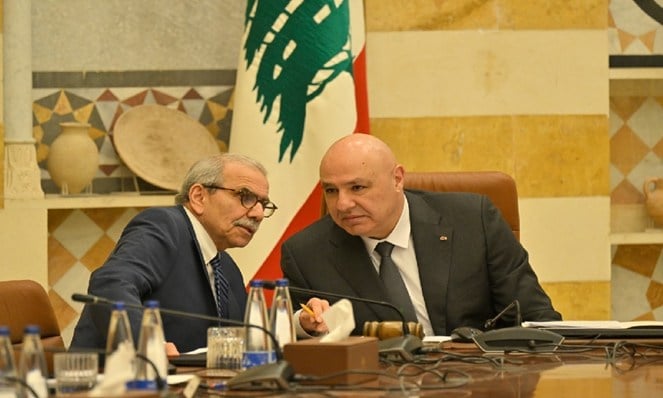
واشنطن توسّع دائرة الضغط وتلوّح بالعقوبات للحلفاء!
-
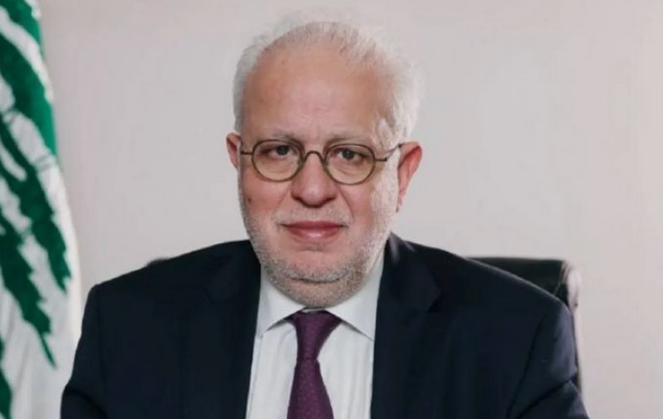
لبنان: 7 «متورطين» بمتفجرات «حزب الله»
-
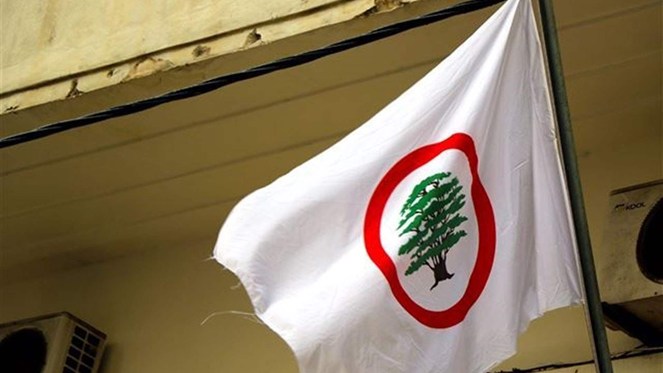
وزراء “القوات” لن يشاركوا في جلسة الحكومة الخميس!
-
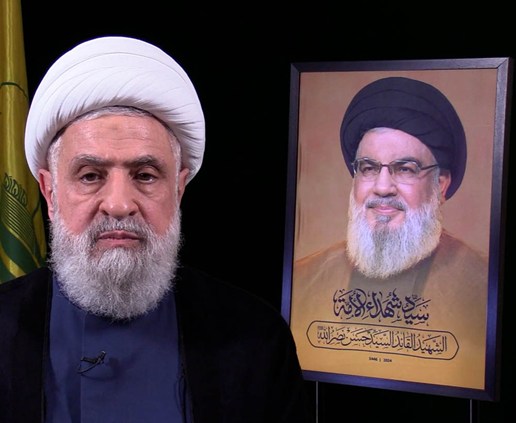
قاسم: المقاومة في لبنان مستمرة وستواجه العدوان ولا محل للنقاش بشأن سحب سلاحها
-
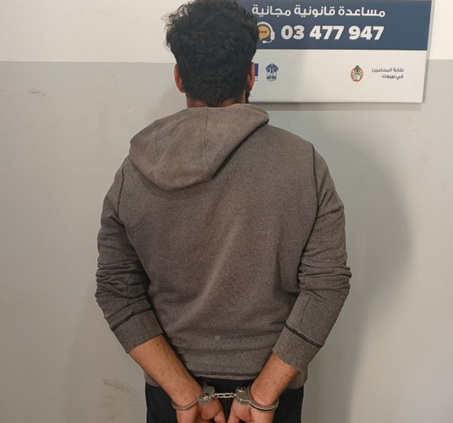
ادّعى سقوطها في الحمّام... زوج يقتل زوجته لتعلّقه بامرأة أخرى
-
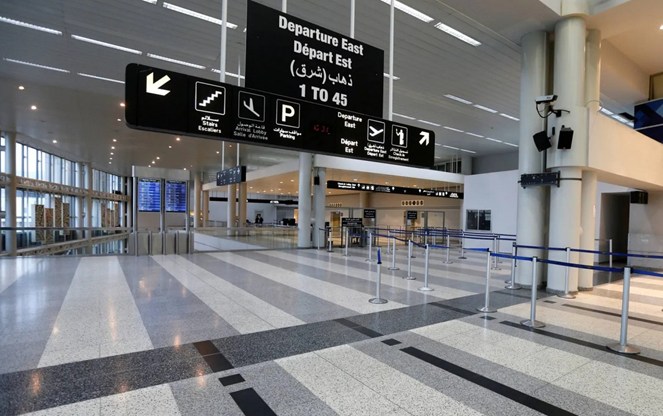
رئاسة مطار رفيق الحريري: المطار من دون كهرباء منذ الصباح
-
-
Just in
-
14 :00
قطعة صغيرة في مفصلة آيفون ديو قد تكون السبب وراء تشقق الشاشة الداخلية تتمة
-
14 :00
الإمارات وكندا توقعان اتفاقية الشراكة الاقتصادية الشاملة تتمة
-
13 :00
برشلونة يُغرّم 602 يورو بسبب خوليان ألفاريز.. ما القصة؟ تتمة
-
12 :00
الفيدرالي يثبّت الفائدة ويلوّح بالرفع.. و"وول ستريت" تغلق على ارتفاع تتمة
-
11 :00
طريقة إيقاف تتبع الموقع الجغرافي للتطبيقات على أندرويد وآيفون تتمة
-
10 :54
الرئيس عون خلال استقباله وزيرة التعاون الاقتصادي والتنمية الألمانية: لبنان متمسّك بالحلول الدبلوماسية والتفاوضية ودعم الجيش

All news
- Filter
-
-
 EXCLUSIVE
خاص - نائب عن تطبيق قانون العفو.. "سلاطة وبطاطا"
-
29 October 2026
-

بعد انتشار شائعة وفاته إثر مروره بأزمة صحية.. نجم لبناني يخرج عن صمته
-
29 October 2026
-

لبنان تحت تأثير المنخفض الجوي.. متى تنحسر الأمطار؟
-
29 October 2026
-
Bassil pide el despliegue de fuerzas internacionales con amplias facultades para lograr la retirada israelí: "Esperamos que Hezbolá no vuelva a entrar en guerra y advertimos contra la extensión del conflicto al interior del Líbano"
-
29 October 2026
-
Bassil appelle au déploiement d’une force internationale dotée de pouvoirs étendus pour obtenir le retrait israélien : "Nous espérons que le Hezbollah n’entrera pas de nouveau en guerre et mettons en garde contre une extension du conflit à l’intérieur du Liban "
-
29 October 2026
-

خرق إلكتروني.. تسريب بيانات 41 ألف موظف بوزارة الأمن الداخلي
-
29 October 2026
-

بعد عامين فقط.. أثر خفي للهواتف الذكية يظهر لدى المراهقين
-
29 October 2026
-

مباراة حاسمة.. بطاقات نهائي كرة السلة النسائية الأميركية تنفد رغم الانتقادات
-
29 October 2026
-

موسكو وواشنطن تناقشان رفع العقوبات عن صندوق الاستثمار المباشر الروسي
-
29 October 2026
-
أمها لبنانية... وفاة ممثلة شهيرة وإعلامية معروفة تنعاها!
-
29 October 2026