







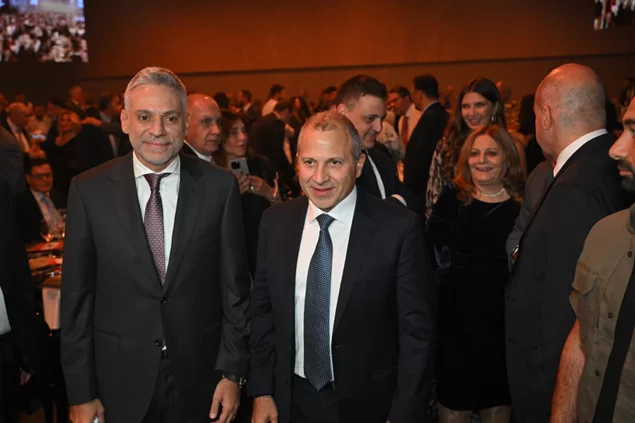
Bassil in Byblos: We Have No Right to Belittle Others’ Sacrifices, and Our Differences Must Never Outweigh the Country’s Interests
-
05 October 2026

-
46 mins ago

-
-
source: tayyar.org
-
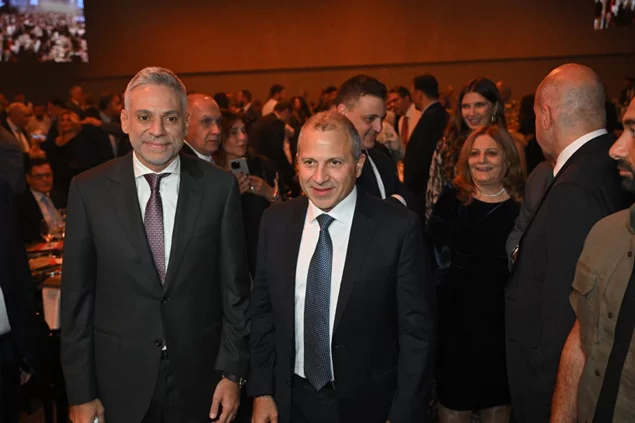
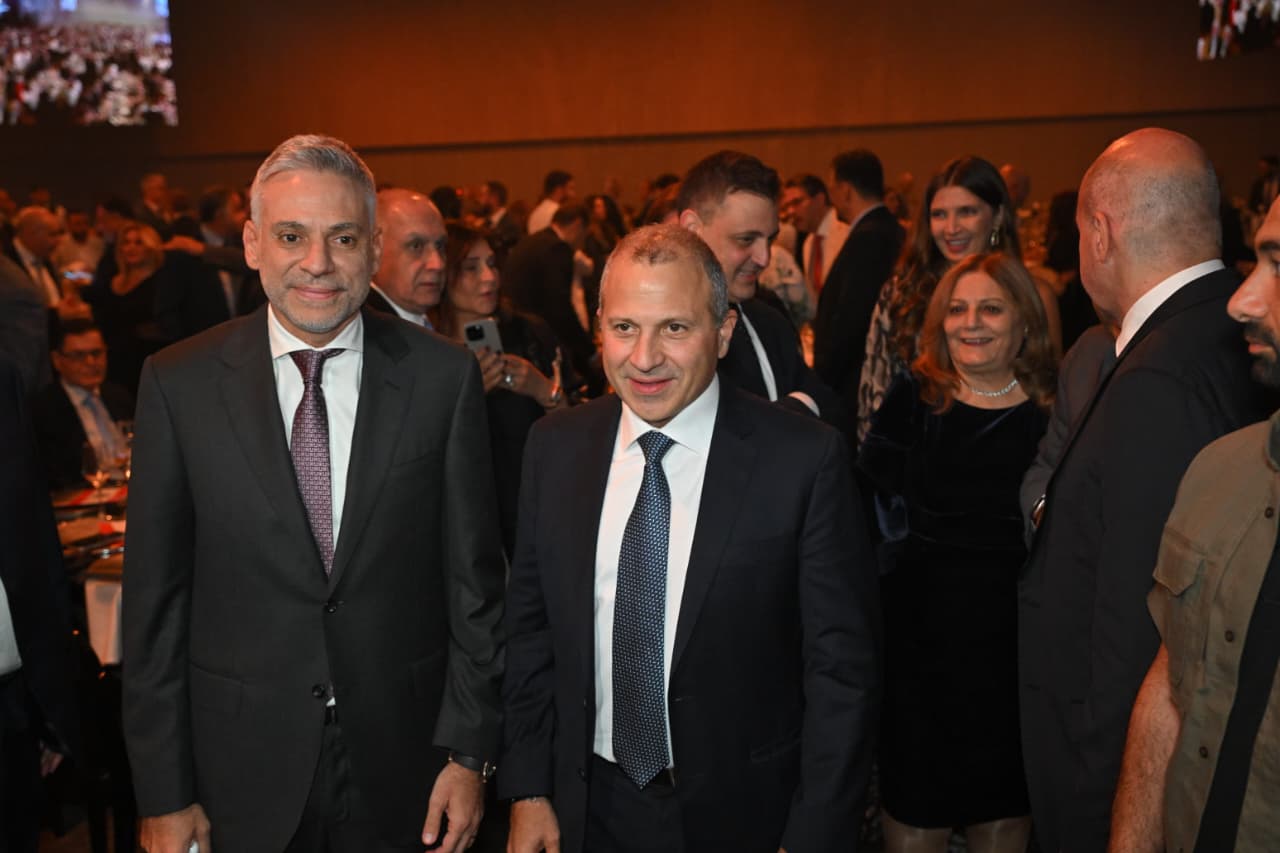
Free Patriotic Movement President MP Gebran Bassil stressed that political differences must never lead to belittling the sacrifices or martyrdom of others, emphasizing the need to set limits on disagreements when the interests of the country and society are at stake.
During a tour of the Byblos District, Bassil said: “Yesterday, we were in a place where I told people that we agree with them on some political matters and disagree with them on others. If they are citizens and partners with us in a country where we all live together, how could I ever think of mocking them, their sacrifices, or their martyrs?”
He added: “It is foolish for anyone to think that the Free Patriotic Movement could belittle the sacrifices of these people, or fail to appreciate, honor, and bow before them, and to pay a political and popular price in order not to leave the people of our country vulnerable to aggression from outside.”
Bassil continued: “I told them that what you are going through is no small matter. Its magnitude is enormous, not only for you, but for the country and for the years ahead, because it does not merely destroy a home or displace someone from the South; it destroys all of us along with our country.”
He added that he heard someone respond: “We were born to die as martyrs,” commenting: “How great is a person who thinks this way and is martyred for a cause.”
He said: “We honor the martyrs of the Lebanese Army because they were martyred for the country, not for a particular ideology, and because a soldier defends the homeland. Therefore, even if we disagree with someone over his cause, when he is martyred, we honor him and respect his sacrifice. How much more so when he is a member of the Army who is martyred for the country?”
On the amnesty law, Bassil said: “When we reject an amnesty law, it is not because it exonerates someone who has been wronged, but because it exonerates all those who are guilty, including those who killed soldiers and officers and those who belittle their killing. By acquitting them, it is as though we are saying that this injustice and this sacrifice have no value or meaning.”
He stressed: “When we see that there are people who gave their lives for us so that we could remain, we have no right to squander that,” adding: “In Ghalboun, no matter how much we disagree, we must remember that Ghalboun, Byblos, the Movement, and Lebanon are more important than we are. We have the right to compete and to have ambitions, but we do not have the right to be destructive when we disagree.”
He added: “What has harmed us, first and foremost within the Christian community, is that our disagreements do not stop at the point where the interests of the community we defend must be respected. What has harmed us in the country is that our disagreements know no limits when the country’s interests are at stake.”
Bassil said: “Disagreement must not outweigh the importance of preserving one’s own town. Do you want to know how an MP or an official can build a country? Look first at his village. If he cannot improve his own village and the lives of the people around him, how will he take care of the larger constituency? This is why every individual can make a contribution by embracing a new way of thinking.”
Bassil made these remarks during a visit to the Byblos District, which began in the town of Bejjé, where the Free Patriotic Movement’s Vice President for Relations with Foreign Political Parties, Dr. Naji Hayek, hosted a breakfast gathering in his honor at his home, attended by a number of residents and local figures.
Bassil said: “There is nothing more beautiful than a morning like this, in a village we know and among people most of whom we know personally.”
He added: “Every time I pass through Byblos and near Qornet El-Roum, I feel even happier. All of Byblos is beautiful, and the entire Batroun region is beautiful. Our country’s nature is beautiful, and when you experience it, you understand the value of the land, the people, and history.”
Referring to the honoring ceremony held in Batroun the previous day, Bassil said: “Yesterday, we honored people in Batroun for contributions that go back hundreds of years. The country has endured hardship in order to survive, and every person struggled in his own way, from Father Michel Hayek, who fought through his ideas and left behind a great legacy, as well as a courageous young man.”
He added: “The truth is that there are not many people left who know how to combine kindness, courage, strength, and intellect. Naji Hayek possesses all these qualities, which is why he is so valuable to us. We sometimes differ in the way we express ourselves, but in the end, we are all committed. The Movement, like Lebanon, is diverse.”
He continued: “In a village that has Father Michel Hayek, Brigadier General Fares, a son of the military institution, and Ragheb, these are all people who gave. Some were martyred and others struggled. We share strong bonds, but we also have differences, and we must know when to draw a line under those differences. Everyone expresses himself in his own way, but when it comes to the cause and the greater interest, we must understand how much disagreement can harm and hurt us.”
Bassil added: “This is a price we pay in this country, both nationally and within the Christian community, because some people do not know how to distinguish between where we must stop and where we must yield.”
Stressing that “Bejjé is a symbol of the Movement,” he said: “It is a shame to waste our strength on disagreements that we are capable of overcoming, whether in the municipality or within the Movement, when we are all facing a threat to our very existence.”
Bassil then traveled to the town of Ghalboun, where he took part in a race held in memory of Jean Joseph El Khoury, a martyr of the field of honor, and met with residents of the town at the conclusion of the marathon.
He said: “A beautiful gathering in a beautiful village on a beautiful occasion. Although it carries sadness and bitterness, it also carries passion and dignity. This is Ghalboun, this is Byblos, and this is the Army institution, which the people of Ghalboun know how deeply they love.”
He added: “The people of Ghalboun, like the people of Byblos, contribute to their community, believe in their country and their state, and believe in legitimacy. This is why they have always stood with their Army against any militia that raises a hand against it.”
Bassil noted that “this is the second year and the second edition of the marathon organized by the Movement’s coordinator, Katia Khoury.”
He said: “What she is doing encourages us to remember a martyr. We can remember a martyr with a word, a monument, a wreath, by planting a tree, or through a sporting event in which we teach young people how to commit themselves to a cause and to their country.”
He continued: “In our generation, we used to call ourselves the Aoun Generation, the generation of activists. Many people from Ghalboun stood with us during the years of struggle, including members of the Khoury family and members of all the families that stood with us.”
Recalling the period of political struggle, Bassil said: “We remember the Museum Road, when we used to collect money to pay bail for the young people. It was an honor for us to be detained because we were defending Lebanon’s sovereignty.”
He noted that “we considered it a source of pride for young members of the Movement to go to prison because they were fighting for a cause.”
Bassil concluded: “We hope that every year, someone will run and remember a martyr who gave his life so that we could remain alive and free. When people have given and sacrificed, we have no right to squander their sacrifices.”
Bassil also participated in the Divine Liturgy presided over by Father Elie Lahoud, in the presence of Byblos District Commissioner Natalie Marai El Khoury, Mayor Engineer Elie Gabriel, and Mukhtar Walid Rizk. -
-
Just in
-
16 :08
الجيش: إطلاق تمرين PEGASUS CEDAR 2026 المشترك مع الجيش البريطاني غدًا بمشاركة عسكريين من الولايات المتحدة وإيطاليا وفرنسا وحضور عناصر من قبرص وقطر والأردن
-
16 :03
ماكرون: أكدنا دعم فرنسا الكامل لأوكرانيا وسنواصل مساندتها في مواجهة روسيا والبحث عن خفض التصعيد والتوصل إلى سلام عادل ودائم
-
15 :56
وزير الخارجية الأميركي: ما يحدث حاليًا في اليمن هو هجوم مضاد على اعتداءات الحوثيين
-
15 :54
Bassil desde Biblos: No tenemos derecho a menospreciar los sacrificios de los demás y nuestras diferencias no deben prevalecer sobre el interés del país Lire la suite
-
15 :51
المرصد الأوروبي للنزاهة في لبنان: مراجعة قانون هيكلة المصارف يجب أن تعزز استقلالية المؤسسات وتحمي حقوق المودعين تتمة
-
15 :38
عراقجي: سنوظف كافة القدرات الديبلوماسية لضمان مصالح إيران وتعزيز أمنها
-


-
Other stories
-
-
طرابلسي: في اليوم العالمي للمعلّم... نستمر بالسعي نحو إنصافكم
-
درغام: استجابة حكوميّة لمطالب بلديات الجوار وتأكيد حصر نفايات مكبّ سرار بعكار
-
موظّفو الإدارة العامة لوّحوا بالتصعيد: لإقرار 10 ليترات بنزين!
-
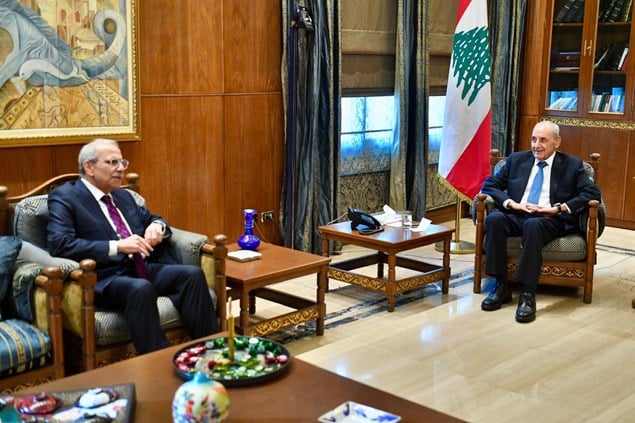
ملفّ الكهرباء على طاولة برّي - سلام!
-
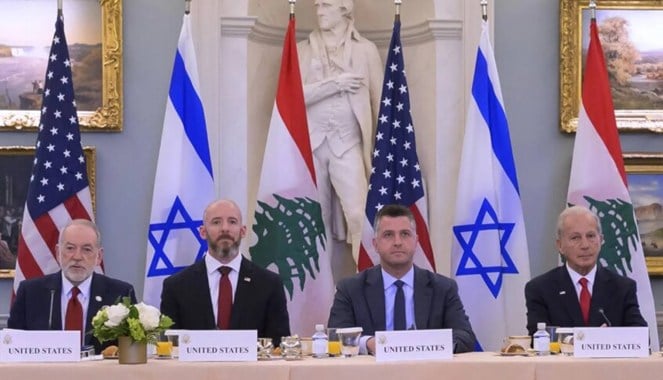
المفاوضات للمفاوضات...
-
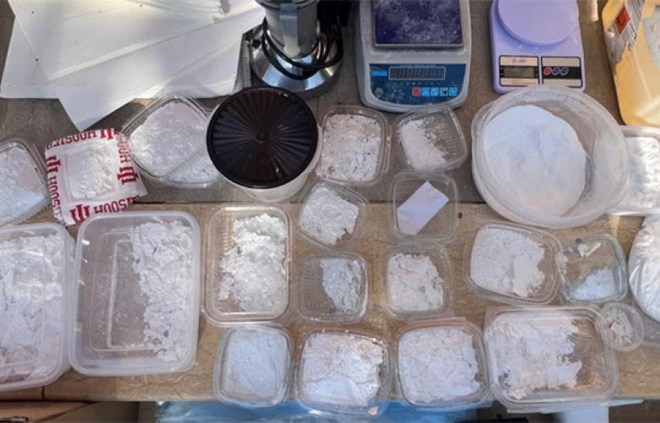
بالصور: مداهمة منزل لتصنيع المخدرات... وتوقيف ٧ أشخاص
-

استعدّوا للعاصفة غدًا!
-
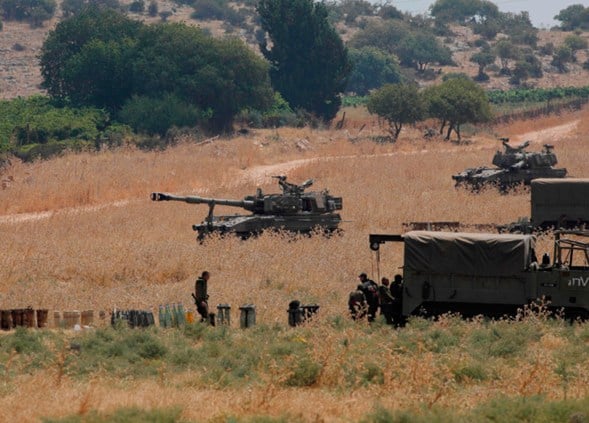
اسرائيل تستعد لشتاء طويل جنوب لبنان!
-

جمع معلومات لأشهر ولهذا السبب أجّل "ساعة الصفر".. تفاصيل جديدة عن رحلة "فلاي دبي"!
-
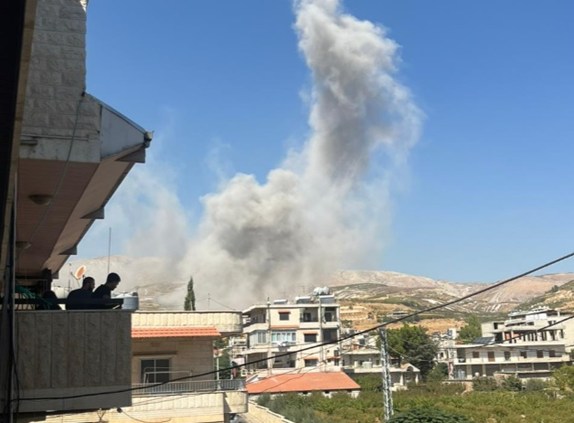
لبنان يواجه مشروع سوفا الإسرائيلي:تجنب نموذجي الجولان وسيناء
-
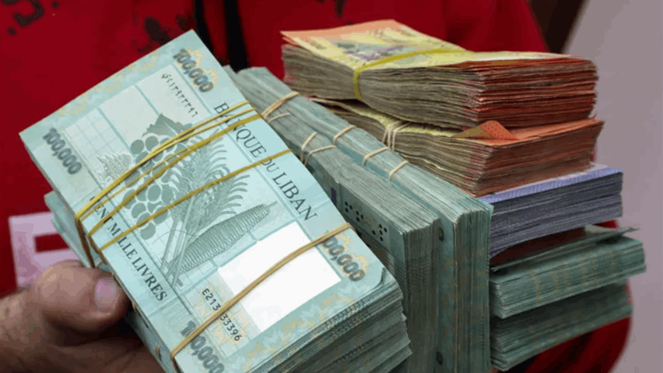
أولوية السلطة الحفاظ على هوامش الأرباح التجارية: زيادات الأسعار تُحمَّل للمستهلك
-
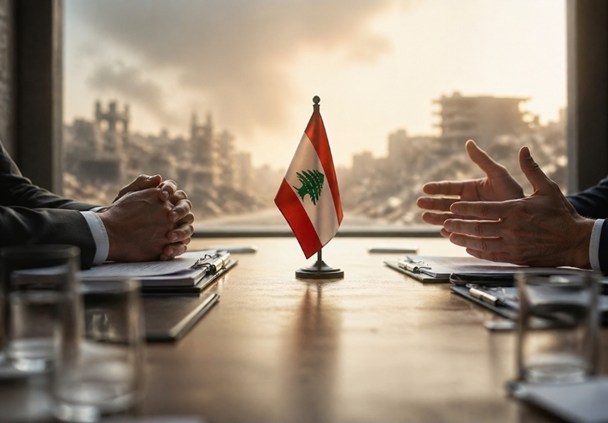
اجتماع فلوريدا... ومخاوف لبنانية من تمرير الوقت بانتظار الانتخابات الإسرائيلية
-
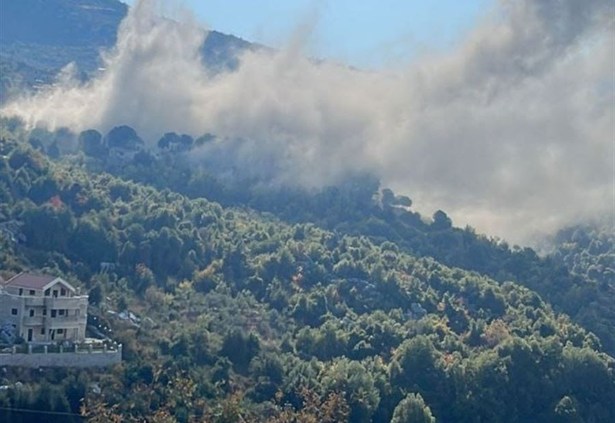
تامبا بلا أفق..والجنوب عالق بين الاحتلال وعجز التسويات
-
تخوّف في لبنان.. مفاجآت عسكرية؟
-
قانون انتخابي جديد؟
-
الصحناوي انتصر في بعبدا
-
عودة المفاوضات اللبنانية _الإسرائيلية لا تعني ان الجانب الإسرائيلي سيتعهد بشيء
-
أسرار الصحف ليوم الأثنين 5 تشرين الأول 2026
-
عناوين الصحف ليوم الأثنين 5 تشرين الأول 2026
-
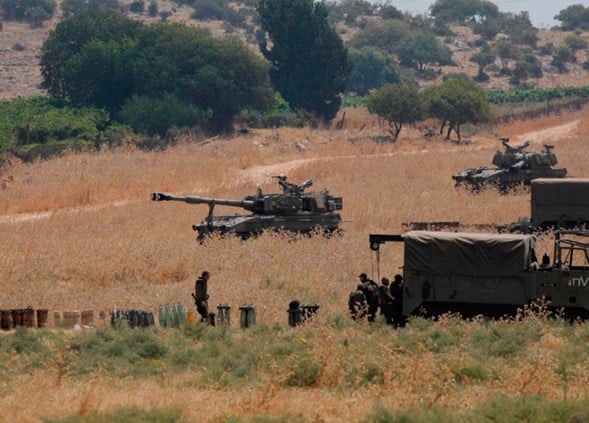
تثبيت نقاط ومواقع اسرائيلية
-
-
Just in
-
16 :08
الجيش: إطلاق تمرين PEGASUS CEDAR 2026 المشترك مع الجيش البريطاني غدًا بمشاركة عسكريين من الولايات المتحدة وإيطاليا وفرنسا وحضور عناصر من قبرص وقطر والأردن
-
16 :03
ماكرون: أكدنا دعم فرنسا الكامل لأوكرانيا وسنواصل مساندتها في مواجهة روسيا والبحث عن خفض التصعيد والتوصل إلى سلام عادل ودائم
-
15 :56
وزير الخارجية الأميركي: ما يحدث حاليًا في اليمن هو هجوم مضاد على اعتداءات الحوثيين
-
15 :54
Bassil desde Biblos: No tenemos derecho a menospreciar los sacrificios de los demás y nuestras diferencias no deben prevalecer sobre el interés del país Lire la suite
-
15 :51
المرصد الأوروبي للنزاهة في لبنان: مراجعة قانون هيكلة المصارف يجب أن تعزز استقلالية المؤسسات وتحمي حقوق المودعين تتمة
-
15 :38
عراقجي: سنوظف كافة القدرات الديبلوماسية لضمان مصالح إيران وتعزيز أمنها

All news
- Filter
-
-
Bassil desde Biblos: No tenemos derecho a menospreciar los sacrificios de los demás y nuestras diferencias no deben prevalecer sobre el interés del país
-
05 October 2026
-

المرصد الأوروبي للنزاهة في لبنان: مراجعة قانون هيكلة المصارف يجب أن تعزز استقلالية المؤسسات وتحمي حقوق المودعين
-
05 October 2026
-

استنفار أميركي بعد حالة وفاة في روسيا بمرض خطير.. ما هو؟
-
05 October 2026
-
إسرائيل تستعدّ لعملية جديدة في إيران؟!
-
05 October 2026
-

صحافيّ لبنانيّ يُفجّر مفاجأة عن فنانة شهيرة: تعيش قصّة حبّ مع نجل مدير أعمالها البالغ من العمر 22 عامًا! (صورة)
-
05 October 2026
-
طرابلسي: في اليوم العالمي للمعلّم... نستمر بالسعي نحو إنصافكم
-
05 October 2026
-
درغام: استجابة حكوميّة لمطالب بلديات الجوار وتأكيد حصر نفايات مكبّ سرار بعكار
-
05 October 2026
-
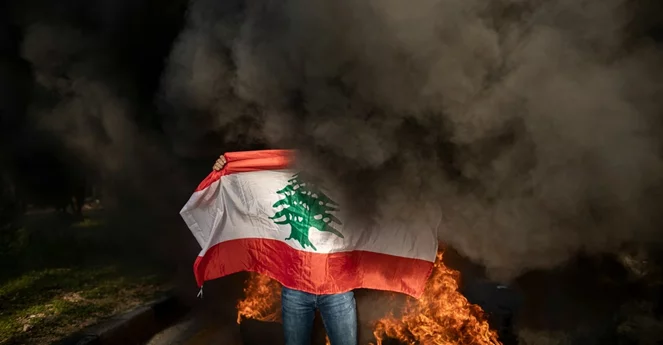
موظّفو الإدارة العامة لوّحوا بالتصعيد: لإقرار 10 ليترات بنزين!
-
05 October 2026
-

ترافق مع أصوات قويّة... جسمٌ شُوهِدَ في سماء عاصمة عربيّة وهذه طبيعته! (فيديو)
-
05 October 2026
-
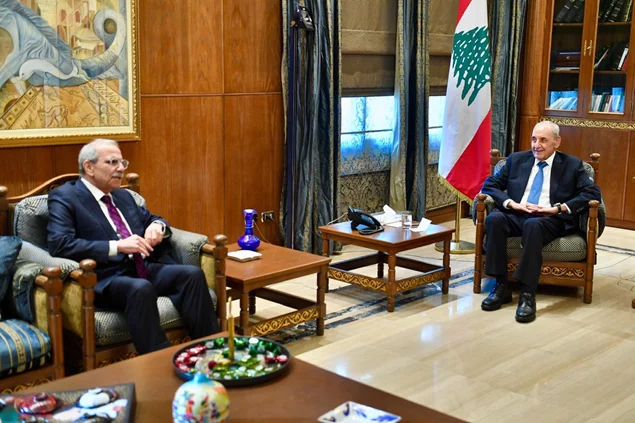
ملفّ الكهرباء على طاولة برّي - سلام!
-
05 October 2026