







Bassil: No-Confidence Motion Exposed Double Standards; Our Aim Is to Correct the Amnesty Law, Not Deny Amnesty to Those Unjustly Treated
-
22 September 2026

-
1 hr ago

-
-
source: tayyar.org
-
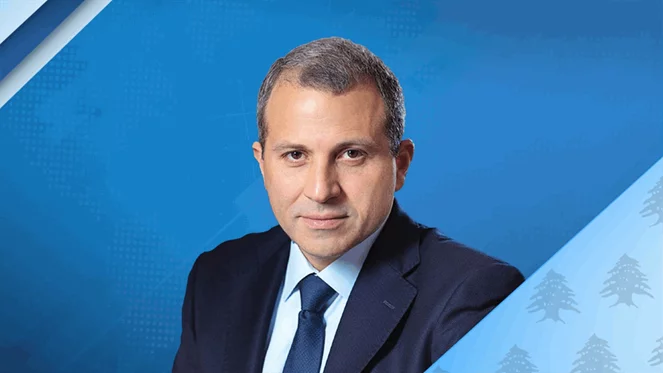
Free Patriotic Movement (FPM) leader MP Gebran Bassil stressed that his political disagreement with Prime Minister Nawaf Salam does not undermine their personal relationship or mutual respect. He rejected attempts to portray any opposition to the government as targeting a particular sect, stressing that the FPM’s opposition is political and is not directed against any Lebanese community.
Speaking on Al-Jadeed’s “W Halla’ Shu?” program with journalist George Salibi, Bassil said the FPM had sought to distinguish members of the political establishment from those outside it. He added: “Today, we showed them that ‘all means all,’ and the FPM is not one of them.”
Bassil said the FPM had been among those who pinned their hopes on Prime Minister Salam to deliver a different performance, adding that “the greater the affection, the greater the expectations.” Given Salam’s international judicial background, Bassil said he had not expected an amnesty law in this form to be enacted during his tenure.
In this context, Bassil referred to Salam’s former position as president of the International Court of Justice, questioning how someone who had held an international judicial position that allowed for legal action against Israel could reach a situation in which, according to Bassil, “our right to take legal action against Israel is relinquished.”
Regarding the parliamentary session and the no-confidence motion against the government, Bassil asked whether the way the motion was raised had embarrassed Hezbollah. “That is their problem,” he said, stressing that the FPM had not coordinated with any MP or parliamentary bloc regarding either the no-confidence motion or the session.
He said what happened exposed “double standards” on the part of Hezbollah, as well as the Lebanese Forces and Kataeb. “We are the opposition. We are the only opposition in Parliament, and it is our duty to hold the government accountable,” he said.
Bassil criticized the way the debate in Parliament was managed, saying that Speaker Nabih Berri had denied the FPM its right to speak. He noted that government supporters were given extensive speaking time, while the opposition was given only limited time.
He stressed that the objective was not to bring down the government but to correct its course, saying that he wanted Prime Minister Nawaf Salam and his government to succeed because “their failure is a failure for the country.”
Bassil said the session had been intended to debate the government’s performance, noting that the Speaker had promised a government accountability session next month. He described what happened in Parliament as “courtesy toward the government rather than accountability,” accusing Berri of being “a partner in propping up the government.”
At the same time, Bassil stressed the need to separate this political dispute from developments in southern Lebanon. He said that despite the FPM’s current political disagreement with Berri, the movement stands in solidarity with him amid the crisis and developments in the south, stressing that political criticism does not negate that solidarity.
Speaking about Parliament’s oversight role, Bassil said the FPM has parliamentary interpellations, facts and figures, and is not engaging in “showmanship.” Rather, he said, it is presenting the Lebanese public with information concerning the absence of plans and projects across several sectors.
He asked where the FPM could raise these issues if it was prevented from debating them in Parliament, stressing that the movement has specific files and issues across various sectors on which it wants to hold the government accountable.
Turning to living conditions, Bassil said Lebanon’s minimum wage stands at around $312, while the cost of electricity, private generators and gasoline can consume an entire salary. He held government policies, taxes and the lack of regulation in several sectors partly responsible for the inflation.
“We are at war. Have you seen the government’s wartime policy?” Bassil asked.
On fuel, he said that during the years when the FPM held the Energy Ministry, it had refused to increase the commission on a 20-liter can of gasoline by even one cent, while the commission was later increased from $1 to $2.
He stressed that subsidies applied to electricity, whereas gasoline was not subsidized but was instead subject to fees. Bassil said that when the FPM was in government, it developed plans and brought in McKinsey, while today, from the opposition, it continues to put forward proposals on what should and should not be done. In this context, he criticized the absence of tax reform from the current government’s agenda.
Bassil also addressed the process related to the Framework Agreement. He said that when the introductory provisions clearly state that the United States is the sole sponsor of the process and that there is a single track for reaching an agreement through Washington, the question, in his view, is whether Lebanon has thereby abandoned the “Quintet.”
He said it would be wrong for Lebanon to antagonize the United States, but equally wrong to believe that Washington would side with Lebanon against Israel.
Bassil also questioned whether the absence of UN Security Council Resolutions 1559 and 1701 from the Framework Agreement meant abandoning international resolutions. He argued that the public could not simply be sidestepped by labeling the process a “Framework Agreement” when, in his view, it amounts to an implementation agreement containing clear references to mechanisms of action.
He also addressed the alternative track mentioned by the government in its ministerial statement, concerning the state’s exclusive control over arms and the development of a national security strategy. Bassil said this process should lead to Hezbollah handing over its weapons within the framework of a comprehensive Lebanese consensus.
Bassil said the government had waited for the U.S. proposal and the agreement and had pinned its hopes on that track, asking what results had been achieved so far.
He clarified that he was not speaking from a position of rejecting negotiations, but criticized the way the outcome of the process had been presented to the Lebanese. He said it would have been better to be frank with the public about the reality of the situation rather than portray what had happened as an achievement for the country when, in his view, the result had been further destruction and an expansion of the security zone.
Alongside his criticism of the government, Bassil also held Hezbollah responsible for developments in southern Lebanon, arguing that the party, through its policies, was contributing to the continued displacement of residents of the south.
He criticized what he described as a “lack of responsibility” both within the government and among political forces inside and outside it, accusing political parties of publicly displaying their disagreements while dividing up shares within the government.
Bassil called on Hezbollah to help the state, questioning whether the party, given that it is represented in the government, had a responsibility to take the initiative and place a defense strategy on the Cabinet’s agenda.
He argued that the facts had shown that Hezbollah was unable to increase the cost imposed on Israel and called for alternatives to be explored in parallel with the ongoing confrontation.
On the amnesty law, Bassil addressed the provision concerning those who have spent more than two years in prison, stressing that the FPM’s appeal against the law aims to “correct the law,” not to deny amnesty to those who have been unjustly treated.
He said the FPM’s objection concerns granting amnesty to prisoners who committed crimes. According to the figures he cited, the law covers around 5,800 prisoners, while Islamist detainees account for no more than around 200 of them.
“Do we pardon all criminals in order to address the cases of a few prisoners?” Bassil asked.
He explained that through its appeal, the FPM is seeking a “partial annulment of the law,” allowing the cases of those unjustly treated to be addressed without opening the door to a broad amnesty for those who committed crimes.
Bassil said the FPM’s position protects families and mothers from the return of thousands of criminals to society. He questioned whether the movement should be punished or thanked for taking such a position, particularly since it continues to uphold the right of those unjustly treated to benefit from the amnesty.
He said the Constitutional Council could issue an “interpretive correction” to the law that would remove the ambiguity while preserving the provision concerning those unjustly treated who have not been tried.
Bassil added that judges, including Public Prosecutor Rami al-Hajj, had said the amnesty law was “unreadable.” He argued that what was effectively happening was the enactment of an amnesty law for criminals, saying the issue was clear and required no further simplification.
On the energy file, Bassil said that when the Energy Minister took office, he acknowledged that plans already existed and that his task was to implement them. Bassil added that the Lebanese Forces would not allow him to do so because of what he described as the large-scale generator project.
He also criticized the Prime Minister’s position on financing water projects. “A prime minister says, ‘I do not want to pay for water projects,’” Bassil said, arguing that the result of such a position would be “depriving the Lebanese of water.”
On Syrian refugees, Bassil questioned the figures being circulated regarding the number of returnees, noting that the Prime Minister has spoken of around 700,000 displaced Syrians having returned.
Bassil said the FPM had, by contrast, received an official letter citing a different figure 167 displaced Syrians. He questioned the wide discrepancy between the two figures and called for clarification of the actual number of returnees. -
-
Just in
-
21 :45
سي بي إس عن ويتكوف: الاجتماع مع الإيرانيين سار على ما يرام وأشعر بحالة جيدة جدا الآن
-
21 :36
ماكرون:
- نؤمن بالسيادة للفلسطينيين وأبسط حقوقهم الأساسية يجري انتهاكها مجددا
- يجب احترام سيادة لبنان وحقوق الشعب اللبناني
- لبنان كامل السيادة وحده قادر على نزع سلاح "حزب الله" واستعادة الأمن لجميع اللبنانيين
- علينا الدفاع عن مبادئ حقوق الشعوب في كل مكان في الشرق الأوسط وأفريقيا كما في أوروبا -
21 :25
توقيفات في أحد أكبر ملفات الفساد الرياضي في لبنان! تتمة
-
21 :19
ترامب:
- نتوقع تراجع الأسعار بشكل كبير فور انتهاء الحرب ومن أهمها أسعار النفط
- كوشنر وويتكوف كانا حاضرين في الاجتماع مع الإيرانيين -
21 :12
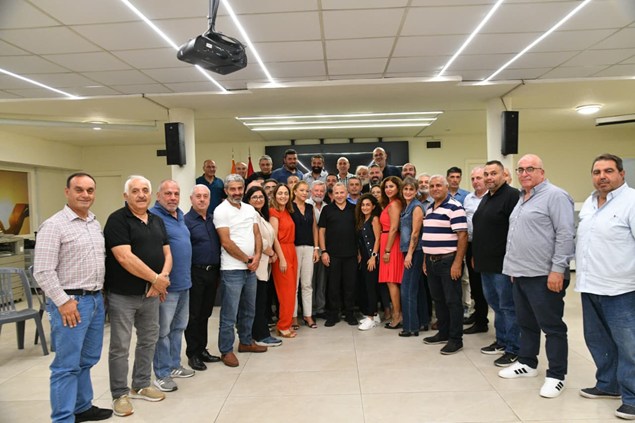
بالصور - حوار بين باسيل وهيئة قضاء بعبدا في التيار الوطني الحر والهيئات المحلية (بعدسة الزميل جورج فغالي ) تتمة
-
21 :10
المتحدث باسم هيئة الطيران المدني الإيرانية: اعتبارا من منتصف الليلة لن يستقبل مطارا بغداد ومسقط الرحلات الجوية الإيرانية
-


-
Other stories
-
-
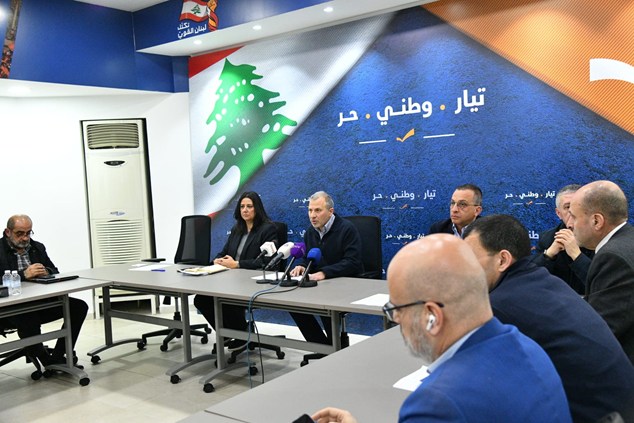
الهيئة السياسية للتيار: الحكومة تصم آذانها عن صوت الناس وترعى فوضى الأسعار
-

بعد "رمي الحجارة" على السيارات.. قرار لوزير الداخلية
-
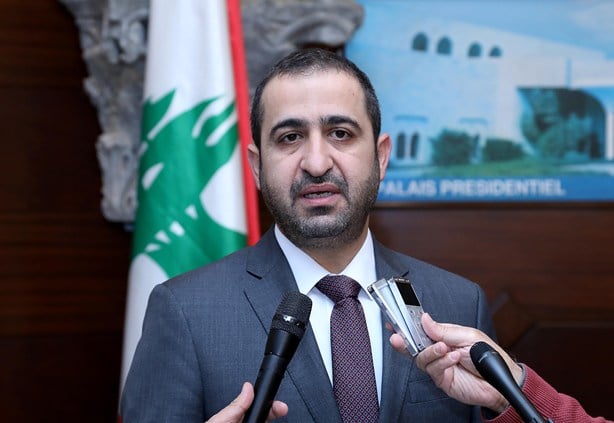
غسان عطالله ينتقد طلب وزارة المهجرين استكمال الملفات: «يكفي استخفافًا بعقول الناس»
-
.png)
الهيئات الاقتصادية دقت ناقوس الخطر وطالبت بإجراءات وحلول فورية لإنقاذ الوضعين الإقتصادي والإجتماعي
-
.png)
شو الوضع؟ تهديدات ترامب تتقاطع مع الوعيد الإسرائيلي... نار الغلاء تحرق اللبنانيين والسلطة صمّاء
-
تدابير سير بسبب أعمال تزفيت على الطريق الممتدّة من مزار سيدة لبنان – حريصا إلى مفرق دير مار شربل
-
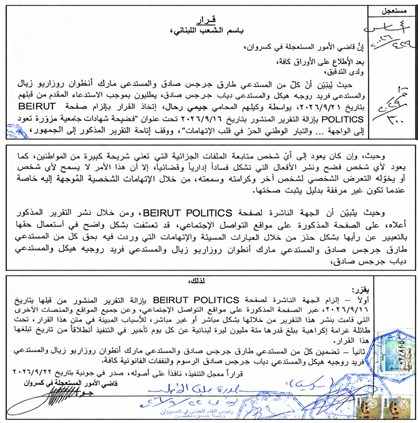
بيان: القضاء يُلزم Beirut Politics بحذف التقرير تحت طائلة غرامة يومية
-
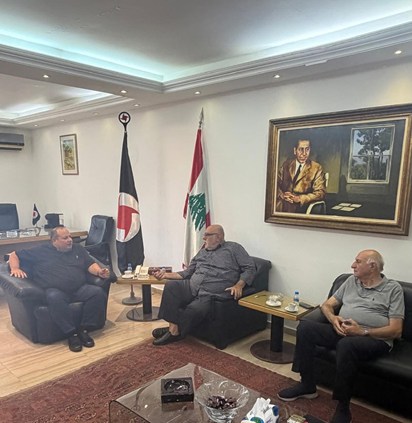
رئيس الحزب السوري القومي الاجتماعي يستقبل حركة الناصريين المستقلين - المرابطون
-
 EXCLUSIVE
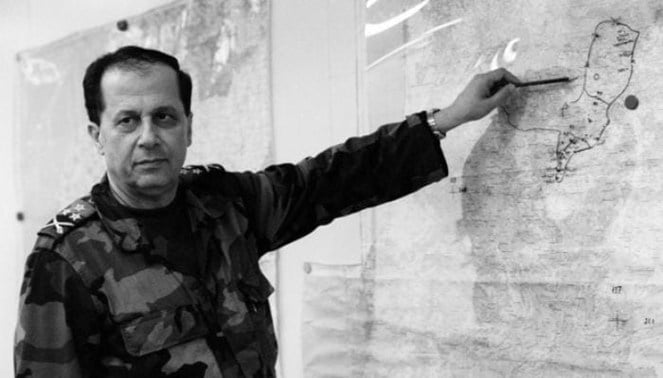
محطات من السيرة العسكرية والسياسية للعماد ميشال عون: البدايات في الصدام مع المنظمات الفلسطينية المسلحة! -١-
-
على هامش اجتماعات نيويورك... هل تلتقي واشنطن وطهران؟
-
المجلس الدستوري يردّ الطعن بقانون إخضاع المتعاقدين لشرعة التقاعد
-
.jpg)
جبّور: فشل الحكومة في إدارة البلد أصبح واقعًا لا لبس عليه!
-
آلية إسرائيلية تتمركز عند مدخل البلدة... ماذا يحصل جنوبًا؟
-
وديع عقل: أوعا يستقيل جو صدي!
-

أمطار متفرقة.. إليكم طقس الأيام المقبلة
-

فنان قدير في ذمة الله (صورة)
-
.jpg)
"450 ألف ليرة لا تكفي".. تلويحٌ جديد بالإضراب!
-
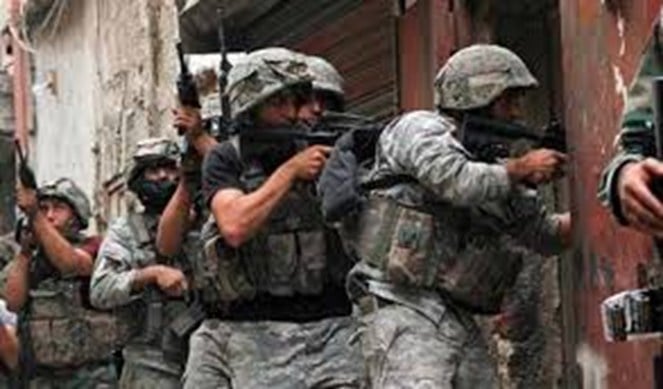
بعد إشكال قب الياس... الجيش يوقف مطلقي النار
-

بالفيديو: "درون" إسرائيلية تحلّق فوق رؤوس المواطنين!
-
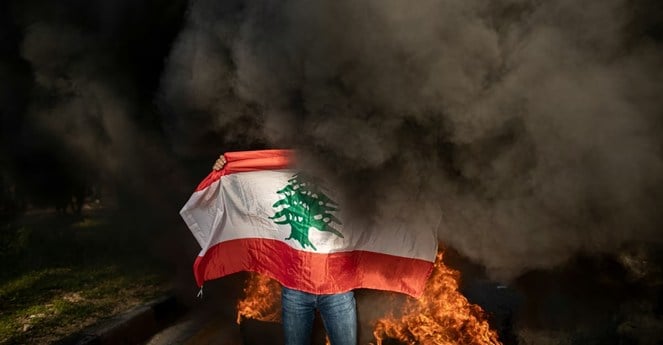
تحركات واضرابات احتجاجًا على غلاء السلع؟
-
-
Just in
-
21 :45
سي بي إس عن ويتكوف: الاجتماع مع الإيرانيين سار على ما يرام وأشعر بحالة جيدة جدا الآن
-
21 :36
ماكرون:
- نؤمن بالسيادة للفلسطينيين وأبسط حقوقهم الأساسية يجري انتهاكها مجددا
- يجب احترام سيادة لبنان وحقوق الشعب اللبناني
- لبنان كامل السيادة وحده قادر على نزع سلاح "حزب الله" واستعادة الأمن لجميع اللبنانيين
- علينا الدفاع عن مبادئ حقوق الشعوب في كل مكان في الشرق الأوسط وأفريقيا كما في أوروبا -
21 :25
توقيفات في أحد أكبر ملفات الفساد الرياضي في لبنان! تتمة
-
21 :19
ترامب:
- نتوقع تراجع الأسعار بشكل كبير فور انتهاء الحرب ومن أهمها أسعار النفط
- كوشنر وويتكوف كانا حاضرين في الاجتماع مع الإيرانيين -
21 :12
بالصور - حوار بين باسيل وهيئة قضاء بعبدا في التيار الوطني الحر والهيئات المحلية (بعدسة الزميل جورج فغالي ) تتمة
-
21 :10
المتحدث باسم هيئة الطيران المدني الإيرانية: اعتبارا من منتصف الليلة لن يستقبل مطارا بغداد ومسقط الرحلات الجوية الإيرانية

All news
- Filter
-
-

توقيفات في أحد أكبر ملفات الفساد الرياضي في لبنان!
-
22 September 2026
-
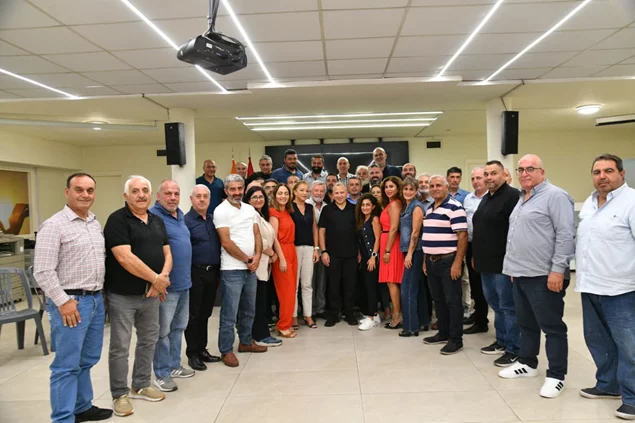
بالصور - حوار بين باسيل وهيئة قضاء بعبدا في التيار الوطني الحر والهيئات المحلية (بعدسة الزميل جورج فغالي )
-
22 September 2026
-

Bassil : La motion de censure a révélé des positions à géométrie variable ; notre objectif est de corriger la loi d’amnistie, non d’en priver ceux qui ont subi une injustice
-
22 September 2026
-
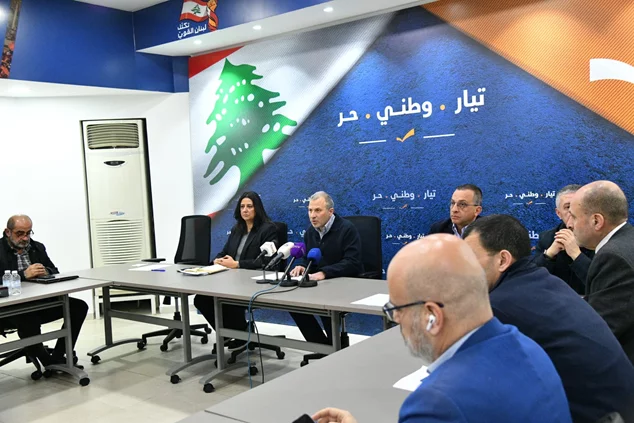
الهيئة السياسية للتيار: الحكومة تصم آذانها عن صوت الناس وترعى فوضى الأسعار
-
22 September 2026
-

بعد "رمي الحجارة" على السيارات.. قرار لوزير الداخلية
-
22 September 2026
-
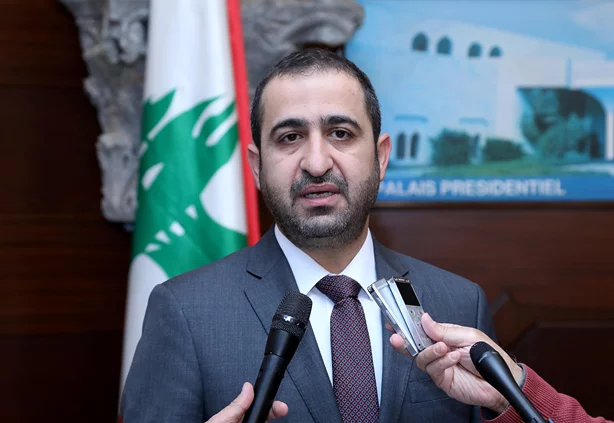
غسان عطالله ينتقد طلب وزارة المهجرين استكمال الملفات: «يكفي استخفافًا بعقول الناس»
-
22 September 2026
-
.webp)
الهيئات الاقتصادية دقت ناقوس الخطر وطالبت بإجراءات وحلول فورية لإنقاذ الوضعين الإقتصادي والإجتماعي
-
22 September 2026
-
.webp)
شو الوضع؟ تهديدات ترامب تتقاطع مع الوعيد الإسرائيلي... نار الغلاء تحرق اللبنانيين والسلطة صمّاء
-
22 September 2026
-
تدابير سير بسبب أعمال تزفيت على الطريق الممتدّة من مزار سيدة لبنان – حريصا إلى مفرق دير مار شربل
-
22 September 2026
-
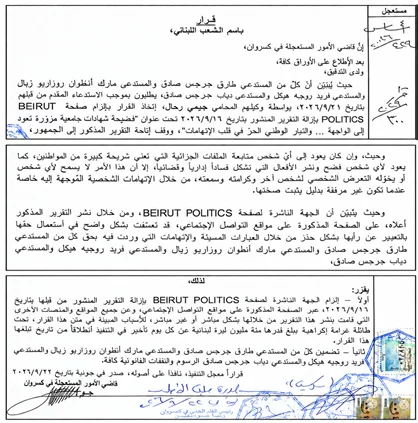
بيان: القضاء يُلزم Beirut Politics بحذف التقرير تحت طائلة غرامة يومية
-
22 September 2026