







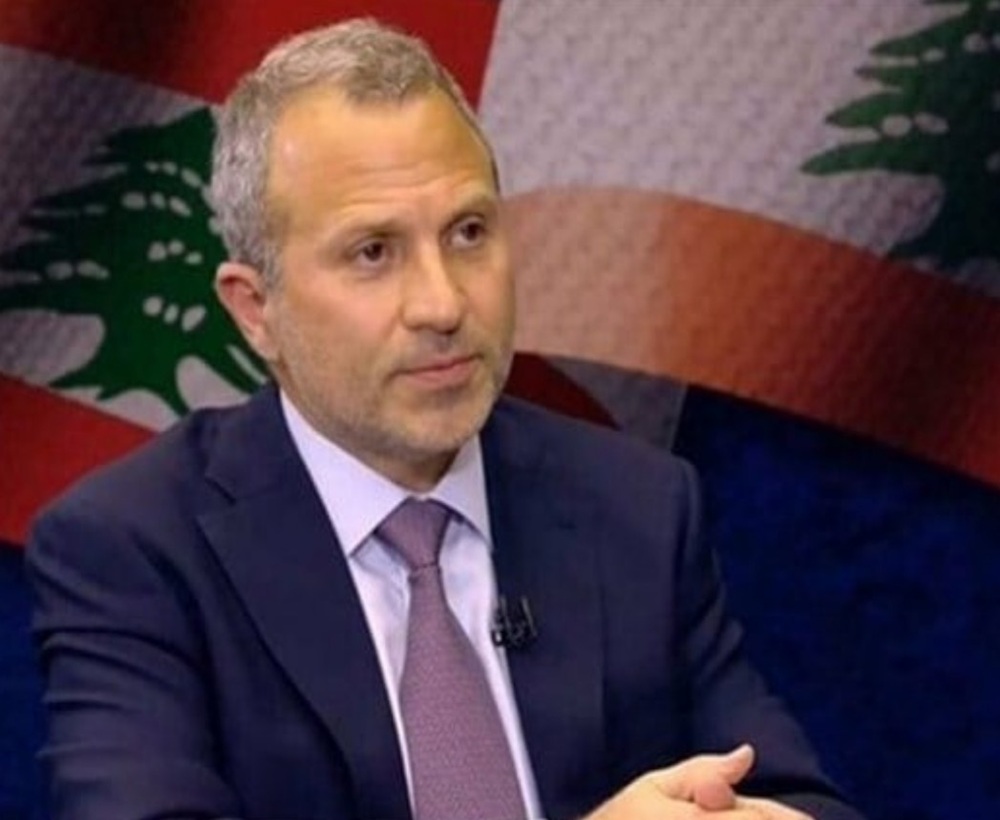
Bassil: We Are for Peace, Not Negotiations Under Fire… Lebanon Is Being Used as a Battleground and the Lebanese Are Paying the Price
-
03 June 2026

-
47 mins ago

-
-
source: tayyar.org
-
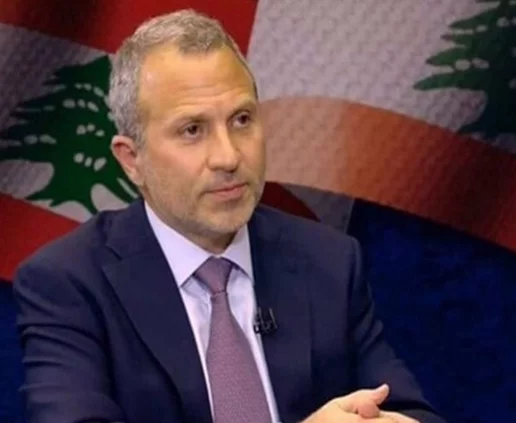
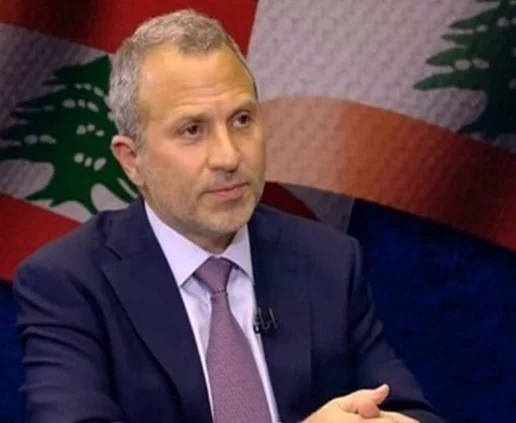
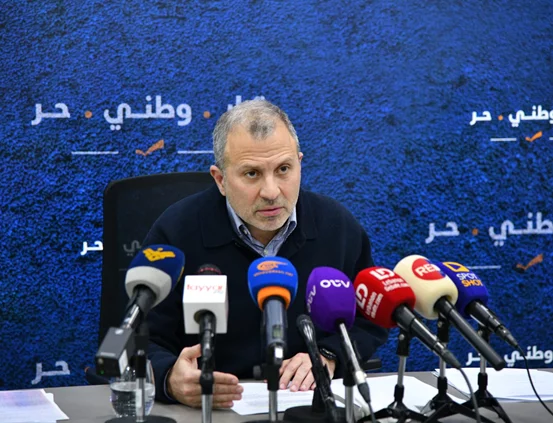
President of the Free Patriotic Movement MP Gebran Bassil stressed that "it is unacceptable for Lebanon to remain without a unified Lebanese position regarding the negotiations," saying: "We are for peace, not surrender; for honorable negotiations, not negotiations conducted under fire that give Israel a free pass to continue its killings."
He emphasized that "there must be a unified national position rather than betting on internal divisions," adding that "Lebanon is capable of presenting a proposal to the world that offers an alternative both to Israeli occupation and to Hezbollah’s weapons namely the Lebanese state, its army, and its diplomacy."
Bassil noted that "from the very beginning, our position was not opposed to negotiations, because whoever seeks peace must negotiate." However, he added that "the issue lies in the outcome of those negotiations," lamenting that “the negotiations have unfortunately become a form of cover used by Israel to continue its attacks on southern villages.”
He stressed that “the destruction taking place is systematic, and Israel is working through it to erase all signs of life in southern Lebanon.”
In an interview with MFM Radio, Bassil said: “Those who benefit from the continuation of war are those who hold military superiority, and Hezbollah does not possess military superiority. What Hezbollah and Lebanon want is an end to the war.”
He added: “Regardless of whether we agree with Hezbollah aligning itself with the Iranian agenda which we do not support Lebanon today is being used as a battleground, and it is the Lebanese people who are paying the price.”
Bassil warned that “it is wrong to believe that anyone in Lebanon is immune from the consequences, as the entire country is bearing the burden of displacement.”
He stressed that “all of Lebanon is paying the price of displacement because it represents a demographic and social transformation of Lebanon’s national fabric that the country cannot withstand.”
Bassil noted that “the threat today extends beyond Lebanon’s 10,452 square kilometers, as even Lebanon’s history is being destroyed.”
He added: “The bombing of Tyre in the manner we are witnessing is a message in itself and an attempt to erase Lebanese civilization, as though there is a new expansionist project targeting southern Lebanon, all while the Lebanese authorities remain silent.”
Bassil pointed out that “a ceasefire had previously been declared but was never respected, and what is happening today is the clearest proof of that.”
He asked: “Can anyone watching what is happening in the Bekaa, the South, and Beirut truly consider this a ceasefire guaranteed by a major power like the United States, whose influence over Israel is well known, and which effectively says that everything taking place has American approval?”
Bassil added: “At the very least, the Lebanese authorities should issue a position affirming support for negotiations, the limitation of arms to the authority of the state, and that what Hezbollah is doing cannot continue in this manner. However, neither the Lebanese army nor the state can implement such measures while Israel continues to occupy and destroy villages on a daily basis.”
He stressed that “this is no longer negotiation but rather acquiescence and surrender, especially following the issuance of a statement or memorandum of understanding between Lebanon and Israel under U.S. sponsorship, affirming coordination between Lebanon and Israel to eliminate armed groups, which was understood as Lebanese approval.”
Bassil noted that “since October 7, 2023, Hezbollah has pursued a misguided policy toward both Lebanon and itself.”
He said: “Unfortunately, it has become difficult for Hezbollah to reverse this mistaken course, which has dragged both Lebanon and Hezbollah into avoidable military losses, as well as severe economic, social, and financial consequences. Hezbollah cannot simply stop what it is doing because that would amount to complete surrender and total defeat.”
Responding to a question regarding whether the Presidency of the Republic had failed in handling the issues of negotiations and weapons, Bassil said that “there has been a failure to fulfill the commitments made in the inaugural address and ministerial statement, namely the establishment of a national security strategy, which Lebanon has yet to develop.”
He argued that “this is not merely a simple mistake but rather a deliberate one, based on the assumption that no one is capable of producing a solution.”
Bassil added: “Whether Hezbollah agrees or disagrees is not our responsibility. Our responsibility is to present a solution that compels Hezbollah to accept it, and if it refuses, then it bears even greater responsibility.”
He stressed that “we do not present Hezbollah with a solution while simultaneously telling it to surrender. If you leave it with no option except being killed, it will inevitably defend itself.”
Bassil affirmed: “We support limiting arms to the authority of the state, and Hezbollah is realistic enough to understand that it cannot continue in the same manner as before.”
At the same time, he stressed that “disarming Hezbollah by force is a recipe for civil war. Therefore, the solution must be gradual and based on a clear agenda.”
He added: “We should use Hezbollah’s remaining weapons to secure Lebanon’s rights rather than act as though Lebanon has no remaining negotiating leverage.”
Bassil continued: “We support the principle of limiting arms and implementing the relevant resolution, and this is something no one should oppose. We are confident that Hezbollah and some of its leaders possess sufficient awareness and understanding, which is why we insist on the necessity of establishing a national security strategy.”
He reiterated that “disarmament by force is out of the question because it would lead to civil war,” emphasizing once again that “the solution must be gradual.”
Bassil also stressed that “no one denies Hezbollah or the Shiite community their existence or rights. They are a fundamental component of Lebanon, and there can be no Lebanon without them, especially given that they are part of the state and their rights are protected.”
He added: “We will not accept any infringement on those rights, and they must be reassured that they will neither be killed nor marginalized, whether as individuals or as a community.”
Bassil described “talk of deporting them to Iraq” as “neither reasonable nor realistic.”
He added: “The Lebanese people also need reassurance. In 2006, the late Secretary-General Hassan Nasrallah provided that reassurance, and Hezbollah did not exploit its military strength for political gain. There was no political translation of that military victory.”
“However, in 2022, Hezbollah used its surplus of power in an attempt to impose a president or prime minister, which we rejected and confronted.”
Bassil stressed: “Our responsibility is not only to reassure them; they must also reassure us and the entire Lebanese public that they genuinely want to be part of the Lebanese state and are not tied to a non-Lebanese agenda.”
He added: “They must reassure us that neither their weapons nor their financial resources will lead them to prioritize the interests of other countries over Lebanon’s interests, and that they will not translate military power into political privileges domestically. This is unacceptable, and we need guarantees regarding this matter.”
Regarding the relationship between the Free Patriotic Movement and Hezbollah, Bassil said: “We are not in a state of hostility with anyone internally, but there remains a major political disagreement because we do not believe there is sufficient responsiveness or responsible discourse.”
On the issue of peace, Bassil stated: “Since 2017, I have openly said that I support peace, and all hell broke loose at the time, yet I still maintain the same position.”
He explained that “the process must be gradual: first a truce, then peace, and ultimately normalization.”
“However, in return for these three stages, Lebanon must secure its rights through the recovery of occupied land, the return of Palestinian refugees to their homeland, and the ability to invest in its natural resources, which Israel does not want Lebanon to exploit because it does not want Lebanon to become an economic power.”
Bassil added: “Even if there is an internal problem with Hezbollah, we must not forget that Israel has occupied and attacked our land since 1948.”
“Our anger toward Hezbollah must not cause us to forget the external threats facing Lebanon. That is why we support peace, not surrender, and honorable negotiations, not negotiations conducted under fire, amid killing and destruction, through which we effectively hand Israel a free pass to continue its aggression against Lebanon.”
Bassil said: “As complex as I find the international, regional, and Lebanese situation especially given the involvement of major powers such as China and Russia the two sides in conflict are ultimately bound to reach a solution.”
He added: “It is clear that the military option has failed to produce the necessary outcome, and despite both sides raising their political ceilings and hardening their positions, they are ultimately compelled to reach some form of settlement.”
“On one side, Iran is facing internal and financial instability, and on the other side, U.S. President Donald Trump is dealing with a domestic situation that is not favorable to him, particularly as the World Cup and the midterm elections approach.”
Bassil noted: “In Lebanon, fuel prices can rise by four or five dollars without major consequences, but in the United States, even a quarter-dollar increase in fuel prices can trigger major political reactions.”
He added that “polls are not in Trump’s favor, which means both sides are under pressure and are attempting to adjust their demands in order to reach a compromise within 60 days, thereby postponing a second round of confrontation.”
Regarding general amnesty, Bassil said that “a state that grants a general amnesty every ten years is encouraging crime.” -
-
Just in
-
21 :24
الحرس الثوري الإيراني: تحقيقاتنا أظهرت أن قواتنا لم تطلق أي صاروخ على صالة الركاب في مطار الكويت
-
21 :18
وزير الخارجية الإيراني عباس عراقتشي:
- منذ أيام تنتهك "إسرائيل" وقف إطلاق النار بين إيران وأميركا وفي لبنان لكن هذا الانتهاك قوبل برد من حزب الله
- إما أن تتوقف الحرب في إيران ولبنان أو لا تتوقف لا في إيران ولا في لبنان
- إن انتهاك وقف إطلاق النار في بيروت هو عدوان وقد أعلنا للأطراف كافة أنه إذا هاجموا بيروت فإننا لن نتحمل ذلك
- نحن نعتبر لبنان بلداً شقيقاً وصديقاً لنا ولم نسعَ أبداً إلى التدخل في الشؤون الداخلية اللبنانية
- العودة إلى المفاوضات ستكون مستندة إلى تأمين حقوق الشعب الإيراني ونهاية الحرب على إيران ولبنان وفي المنطقة -
21 :12
الموت يفجع الوزير السابق وئام وهاب تتمة
-
20 :56
Bassil: Estamos a favor de la paz, no de negociar bajo fuego... Se está utilizando a Líbano como campo de batalla y los libaneses pagan el precio Lire la suite
-
20 :50
Bassil : “ Nous sommes pour la paix, pas pour des négociations sous le feu… Le Liban sert de champ de bataille et ce sont les Libanais qui en paient le prix “ Lire la suite
-
20 :43
بالفيديو - نائبة لبنانية تتحدث العبرية بطلاقة، ماذا يجب أن تفعل وزيرة التربية بعد ما جرى؟ تتمة
-


-
Other stories
-
-
Bassil : “ Nous sommes pour la paix, pas pour des négociations sous le feu… Le Liban sert de champ de bataille et ce sont les Libanais qui en paient le prix “
-
بالفيديو - نائبة لبنانية تتحدث العبرية بطلاقة، ماذا يجب أن تفعل وزيرة التربية بعد ما جرى؟
-
باسيل عن استشهاد جيمس كرم وولديه: جريمة حرب والسلطة صامتة ومتواطئة!
-
.png)
هل من تقدّم في المفاوضات؟
-

"طيران الشرق الاوسط": الاتهامات الزائفة بحقنا تجاوزت الخطوط الحمر!
-
تدابير سير لمدة 10 أيام في كسروان بسبب أعمال صيانة الحُفر
-
.png)
شو الوضع؟ غموض يلف مفاوضات واشنطن و"أقوال" عن "وقف شامل للنار" وإسرائيل تنفي!
-
استيلاء عناصر "الحزب" على مستشفى.. ماذا قالت مستشفى تبنين؟
-
كرامة الإنسان أولاً”.. تيليتون وطني لدعم العائلات المحتاجة في 25 حزيران
-
 EXCLUSIVE
مارون: بعد ثلاثة أيام من المتابعة المتواصلة باشرت فرق الجيش أعمال صيانة عمود الكهرباء المتضرر الذي يشكّل شريان التغذية الأساسي لمنطقة البقاع الغربي
-
بالفيديو- المخرج شربل خليل عبر TTV Plus: انتقلنا من عنجر الى عوكر و السكران القواتي هذه نواياه...
-

الجيش: استهداف إسرائيلي معادٍ لآلية للجيش وإصابة ضابط وعسكري بجروح
-
سلسلة غارات عنيفة استهدفت هذه البلدات الجنوبية
-
درغام يحذر من تداعيات مالية خطيرة للحرب ...والنقاش تجاوز سلاح حزب الله إلى ترتيبات سياسية أوسع للمنطقة
-
لقاء بين ترامب وخامنئي؟
-
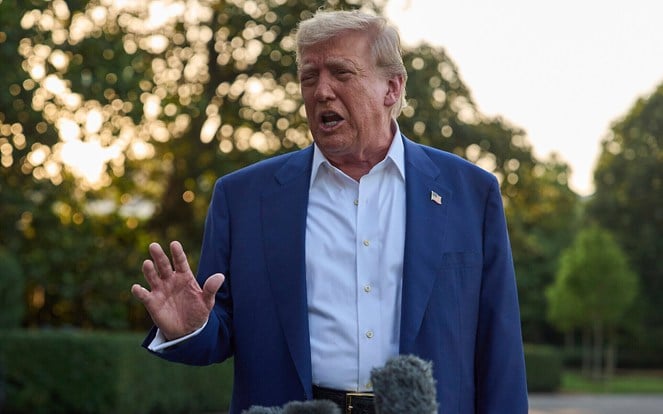
ترامب: شعرت بالانزعاج من استمرار نتنياهو في القتال مع لبنان
-
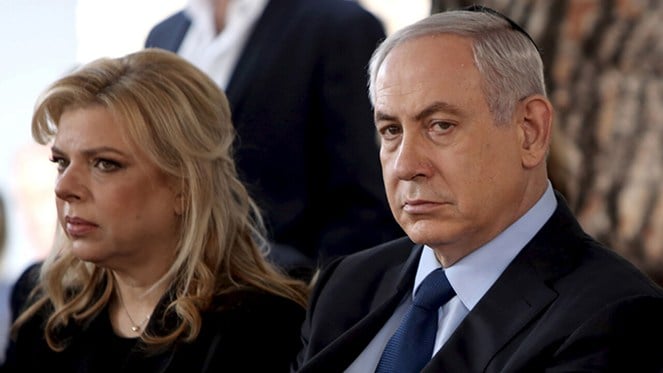
تهديد من ترامب لزوجة نتنياهو بسبب لبنان.. هذا ما حصل بعد "مكالمة الصراخ" بين الرجلين!
-
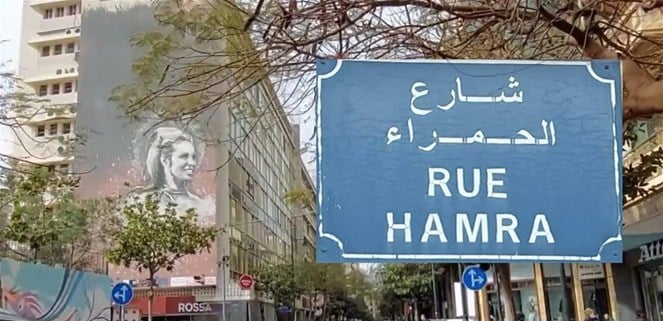
سرقة بقيمة 200 ألف دولار أميركي في الحمرا
-
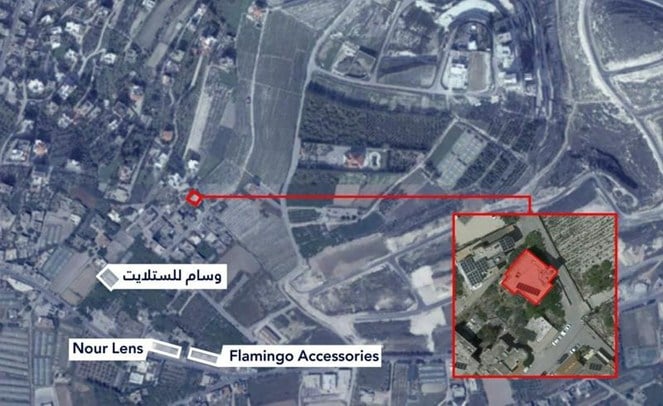
إنذار عاجل إلى سكان لبنان وتحديدًا هذا المبنى!
-
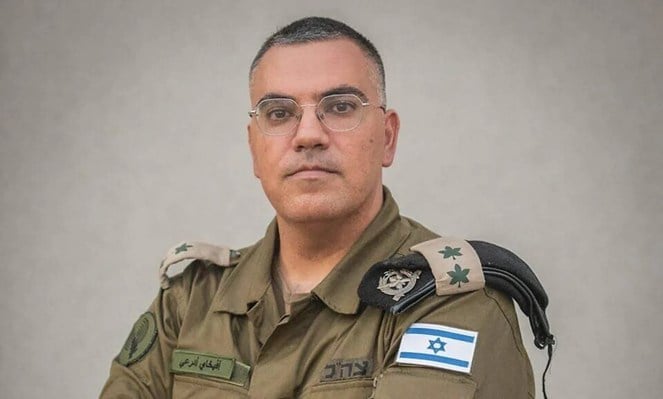
الجيش الإسرائيلي ينذر سكّان 3 بلدات جنوبيّة
-
-
Just in
-
21 :24
الحرس الثوري الإيراني: تحقيقاتنا أظهرت أن قواتنا لم تطلق أي صاروخ على صالة الركاب في مطار الكويت
-
21 :18
وزير الخارجية الإيراني عباس عراقتشي:
- منذ أيام تنتهك "إسرائيل" وقف إطلاق النار بين إيران وأميركا وفي لبنان لكن هذا الانتهاك قوبل برد من حزب الله
- إما أن تتوقف الحرب في إيران ولبنان أو لا تتوقف لا في إيران ولا في لبنان
- إن انتهاك وقف إطلاق النار في بيروت هو عدوان وقد أعلنا للأطراف كافة أنه إذا هاجموا بيروت فإننا لن نتحمل ذلك
- نحن نعتبر لبنان بلداً شقيقاً وصديقاً لنا ولم نسعَ أبداً إلى التدخل في الشؤون الداخلية اللبنانية
- العودة إلى المفاوضات ستكون مستندة إلى تأمين حقوق الشعب الإيراني ونهاية الحرب على إيران ولبنان وفي المنطقة -
21 :12
الموت يفجع الوزير السابق وئام وهاب تتمة
-
20 :56
Bassil: Estamos a favor de la paz, no de negociar bajo fuego... Se está utilizando a Líbano como campo de batalla y los libaneses pagan el precio Lire la suite
-
20 :50
Bassil : “ Nous sommes pour la paix, pas pour des négociations sous le feu… Le Liban sert de champ de bataille et ce sont les Libanais qui en paient le prix “ Lire la suite
-
20 :43
بالفيديو - نائبة لبنانية تتحدث العبرية بطلاقة، ماذا يجب أن تفعل وزيرة التربية بعد ما جرى؟ تتمة

All news
- Filter
-
-
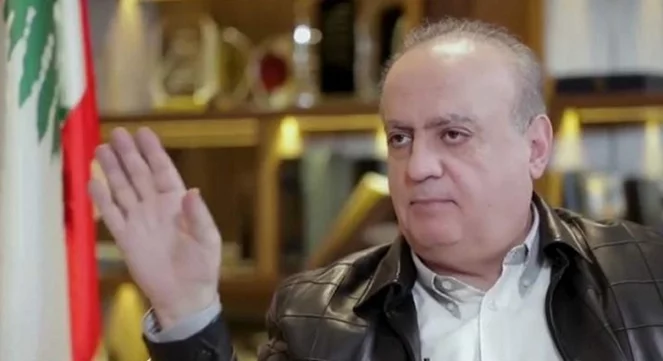
الموت يفجع الوزير السابق وئام وهاب
-
03 June 2026
-
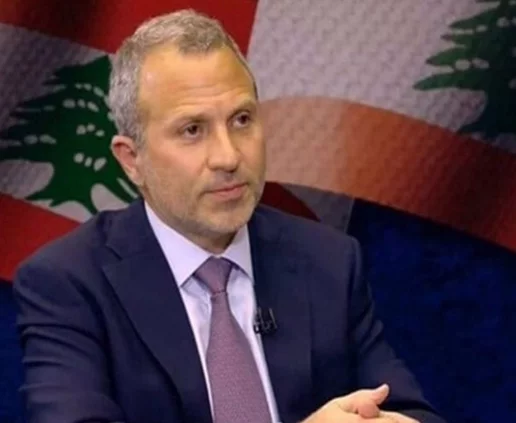
Bassil: Estamos a favor de la paz, no de negociar bajo fuego... Se está utilizando a Líbano como campo de batalla y los libaneses pagan el precio
-
03 June 2026
-
Bassil : “ Nous sommes pour la paix, pas pour des négociations sous le feu… Le Liban sert de champ de bataille et ce sont les Libanais qui en paient le prix “
-
03 June 2026
-
بالفيديو - نائبة لبنانية تتحدث العبرية بطلاقة، ماذا يجب أن تفعل وزيرة التربية بعد ما جرى؟
-
03 June 2026
-
باسيل عن استشهاد جيمس كرم وولديه: جريمة حرب والسلطة صامتة ومتواطئة!
-
03 June 2026
-
.webp)
هل من تقدّم في المفاوضات؟
-
03 June 2026
-
روبيو: نأمل أن تسفر مباحثات واشنطن بين إسرائيل ولبنان عن خطة عمل بشأن الامن
-
03 June 2026
-

"طيران الشرق الاوسط": الاتهامات الزائفة بحقنا تجاوزت الخطوط الحمر!
-
03 June 2026
-
تدابير سير لمدة 10 أيام في كسروان بسبب أعمال صيانة الحُفر
-
03 June 2026
-
.webp)
شو الوضع؟ غموض يلف مفاوضات واشنطن و"أقوال" عن "وقف شامل للنار" وإسرائيل تنفي!
-
03 June 2026