







Bassil to "Alarabi Plus": Israel is the one waging wars, and there is an opportunity to end them; our choice is Lebanese, not Iranian or Israeli
-
18 May 2026

-
2 hrs ago

-
-
source: tayyar.org
-
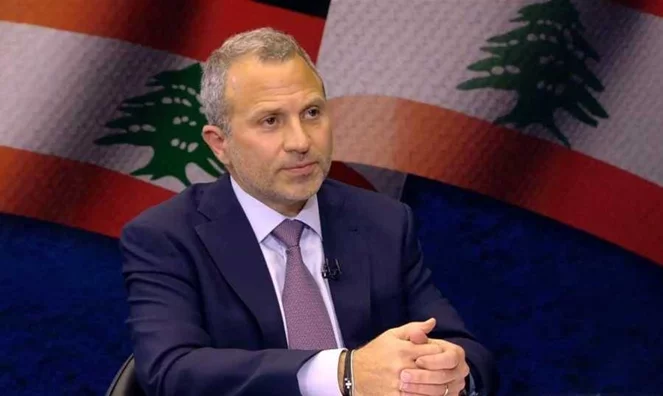
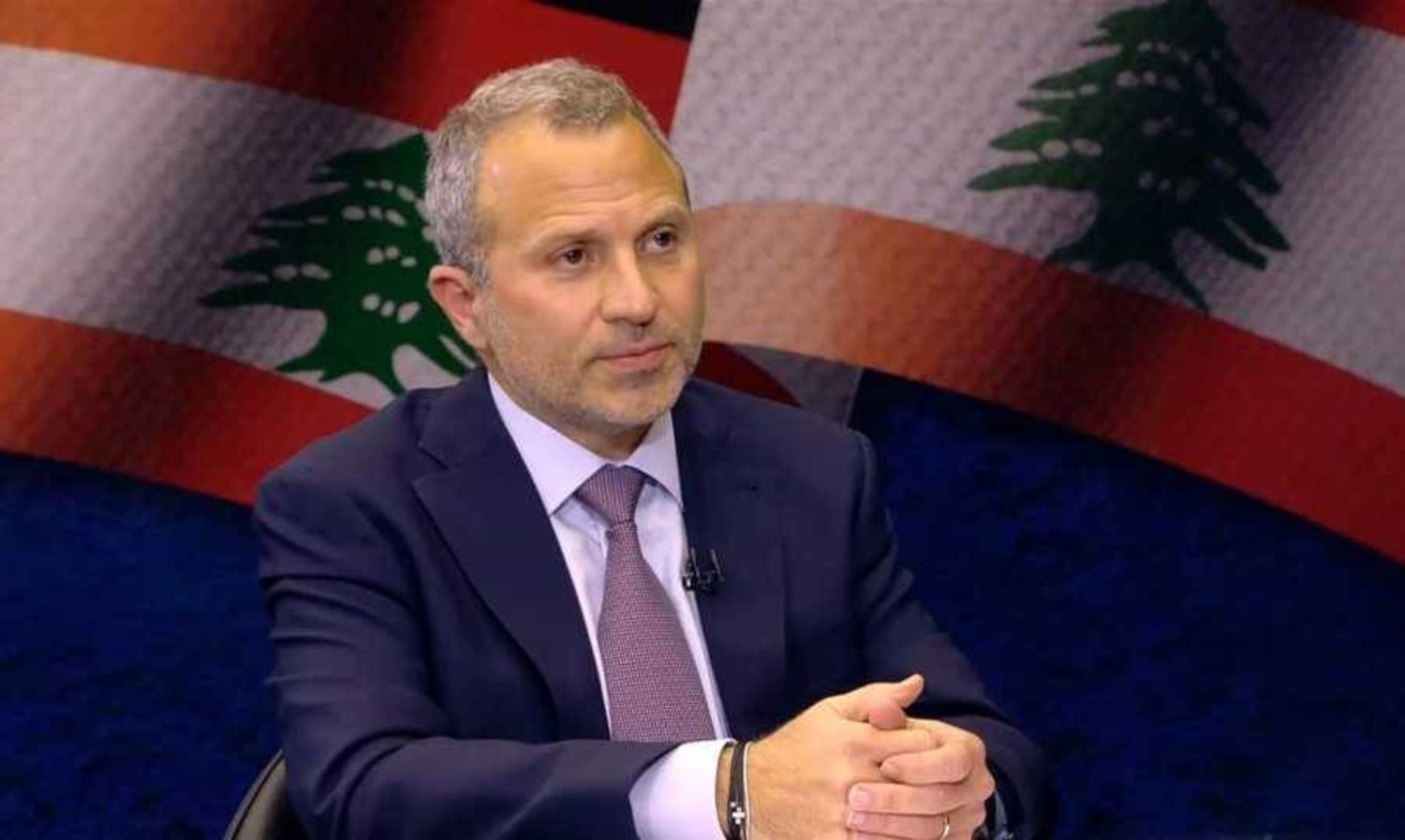
The Free Patriotic Movement president, MP Gebran Bassil, affirmed that the past two years have been a repetition of the war that has been inflicting its tragedies on Lebanon since 1948, but what is happening may present an opportunity to end the cycle of wars and move toward a series of understandings. In an interview with journalist Jad Ghassan on the “Alarabi Plus” platform, he noted that “we have a responsibility to stop the wars, but it is Israel that wages them, and there are many actors who support and encourage it,” explaining that Hezbollah did not exist in 1948, 1967, 1978, or even 1982, and that “Hezbollah” and the resistance were born as a result of the occupation.
Bassil noted that Hezbollah today is not in a position of defending Lebanon through its actions following the Gaza support war, but rather is intervening in matters outside Lebanon’s sphere, saying, “Therefore, it bears responsibility, but in the natural course of events, Israel is always the aggressor against Palestine, the Arab states, and Lebanon, which has borne the full brunt of the wars.”
He added that the legitimacy of resisting any occupation is enshrined in international law, “but Hezbollah lost the legitimacy of resistance and lost part of its popular legitimacy when it was no longer in a defensive position but instead supported the Palestinian cause militarily and backed the Iranian war from Lebanese soil.”
He explained: “Today there is continuous Israeli aggression against us, violating our sovereignty by air, sea, and land, and there is an assault on our resources.”
He said that Lebanon has paid the price for accumulated problems, stressing that the armistice agreement was in force and remains a valid legal framework. He noted that “there was state legitimacy for Hezbollah, and immediately after the implementation of the Taif Agreement, successive governments approved the liberation of the land,” and recalled that “this entire process had constitutional and popular legitimacy, but the turning point came on October 7, 2023, when Hezbollah decided to support Gaza and was no longer in the defensive posture outlined in the Memorandum of Understanding, shifting instead to an offensive strategy, regardless of the justifications.” He argued that “the mere act of launching an offensive, even a preemptive one, is unjustifiable to the Lebanese people.”
National Security Strategy
Bassil continued: “To this day, the Lebanese people do not want to accept that the solution to the defense strategy can be resolved among ourselves.”
He noted that at a certain stage, Hezbollah began to consider itself powerful and used its excess power not only in its arms against external forces but also against the Lebanese people. Bassil noted that “Hezbollah accepts a defensive strategy today because it is weaker,” and that the other side’s defensive strategy is to eliminate Hezbollah. He emphasized that “there is no state that does not have a national security strategy, and this is not limited to the military aspect but also encompasses defense in terms of role and function.” He noted that “the Movement has a complete vision of how to implement a national security strategy,” and that even “if we were in the opposition, we would have told everyone to put forward a Lebanese proposal for negotiations with the Israelis.”
He said: “Where are we today with the Lebanese proposal to outline what we will do internally? No one solves the arms issue this way.” He explained: “We have been at war for two years and do not know how long the war with Iran will last. We do not know, given the regional balance of power, and perhaps there is someone who has an interest in keeping the crisis open to sell weapons, use the straits, and blackmail China and others. So, do we remain in a state of waiting as we are today?”
Bassil stressed that “the issue of arms must be resolved under the principle of exclusive state control over weapons, without allowing the defense strategy to become a pretext for diluting the decision,” emphasizing that “we must move toward reassuring Hezbollah that it is an essential part of our military protection and that its political role is fundamental.” He added: “But Hezbollah must accept that military command belongs to the army and political leadership to the government and Parliament, not to a single faction,” stressing that “rewards cannot be secured through political privileges within the system, and since we obtain our weapons from abroad, we do not offer them for free in negotiations, but they must not be used domestically as a bargaining chip.”
Negotiations and Peace
He noted that “Lebanon is entering negotiations with Israel without receiving any guarantees, not even a promise.” He said, “Lebanon is going into negotiations based on a memorandum of understanding, and they said that the governments of Lebanon and Israel have agreed to it and spoke in it about ending the state of war, even though ending this state in Lebanon requires a law.”
He added that “Israel is at war with us, but the memorandum stipulates granting Israel the right to self-defense and cooperation between Lebanon and Israel regarding armed groups in Lebanon, which means we are facing a major internal problem.” He noted that within this framework in the negotiations, “we would have stepped outside the Arab Initiative and any international cover.”
He asked: “Why go into negotiations when the state has no decision-making power? In that case, I would have given the other side concessions, acceptance, and recognition without receiving anything in return.” He emphasized that “it is impossible to negotiate without an understanding with Hezbollah, or at least securing a minimum level of understanding on a Lebanese proposal that achieves, at a minimum, a ceasefire, withdrawal, and the return of displaced Lebanese,” arguing that “Hezbollah has no right to refuse, and in this case, it would be isolating itself if it refuses to negotiate.”
He emphasized that “every stage has its own circumstances, and we can first move toward a ceasefire and then reaffirm it or draft a new one,” noting that “there are three stages to peace: a ceasefire, peace, and then normalization.” He said: “I am for peace, and I believe that peace naturally culminates in normalization; otherwise, it is not true peace.
Today, there is peace between Israel, Jordan, and Egypt, but there is no normalization. This is where the mistake in the Abraham Accords lies: they begin with normalization, and imposing it through coercive language does not work.”
He noted that “for it to succeed, the people must experience it, but not through mocker that is, a Lebanese person being killed today while others say, ‘I want to drink beer in Israel.’” He added: “We must respect each other’s feelings, and our human dignity is being violated every day,” and “a Lebanese person who is against Hezbollah must not rejoice, and Hezbollah must not be arrogant and say, ‘I have triumphed,’ because this is not a victory when there is this scale of displacement, destruction, and inability to deter.”
Bassil said: “I am not in favor of surrender and doing what the Americans want, but you must resist, and your people and your state are with you. And you, as Hezbollah, must accept a national security strategy in which you acknowledge that your weapons are not eternal, timeless, or everlasting so how will you reassure the children of your homeland?” He emphasized that “the government is incapable of implementing the requirements and is subservient to the foreign agenda,” and that “there is complete submission to foreign desires.” -
-
Just in
-
15 :23
الأمم المتحدة: ندعو جميع أطراف النزاع في السودان إلى وقف الهجمات على المدنيين
-
15 :20
"القناة 14" الإسرائيلية: مسيرة مفخخة سقطت في الجانب الإسرائيلي من الحدود مع لبنان دون تفعيل صفارات الإنذار
-
15 :15
Bassil à la plateforme “ Alarabi Plus “ : c'est Israël qui déclenche les guerres, mais il existe une chance d'y mettre fin ; notre choix est libanais, et non iranien ou israélien Lire la suite
-
14 :47
"حزب الله": استهدفنا بمسيرة جرافة إسرائيلية عند مجرى النهر في أطراف بلدة دير سريان وحققنا إصابة
-
14 :34
الحركات المتطرفة: مشروع انتحار سياسي محتّم - بسّام الترك تتمة
-
14 :33
الرئيس جوزاف عون:
- واجبي وانطلاقا من موقعي ومسؤليتي أن أقوم بالمستحيل وبما هو أقل كلفة كي أوقف الحرب عن لبنان وشعبه ولقد اختبرنا الحروب والى اين أوصلت لبنان فهل من أحد يستطيع تحمل كلفتها بعد؟
- الإطار الذي وضعه لبنان للمفاوضات يتمثل بالانسحاب الاسرائيلي ووقف اطلاق النار وانتشار الجيش على الحدود وعودة النازحين والمساعدات الاقتصادية أو المالية للبنان أما ما يتم تناوله خلاف ذلك فهو غير صحيح
- سأواصل السعي لدى المملكة العربية السعودية لفتح الأسواق أمام الإنتاج اللبناني ولتقديم التسهيلات للمزارعين في الداخل اللبناني لتمكينهم من الاستمرار في الظروف الصعبة التي يمر بها لبنان
-


-
Other stories
-
-
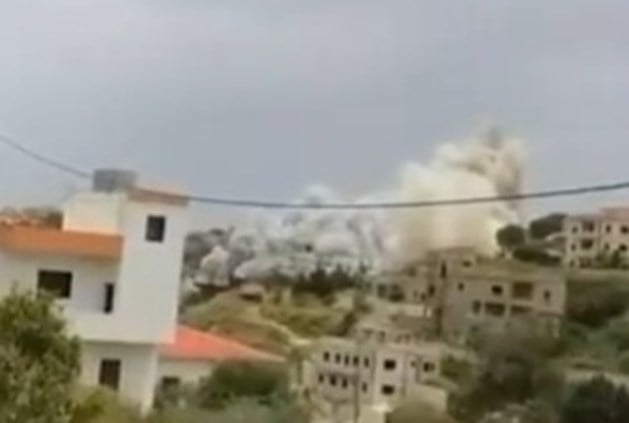
بالفيديو: لحظة غارة عنيفة جدًا
-
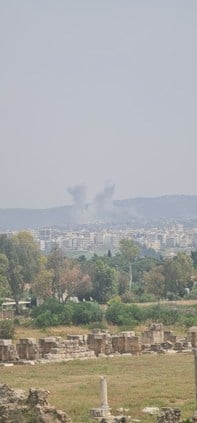
غارة إسرائيلية استهدفت بلدة حناويه
-
 EXCLUSIVE
كواليس - مرجع مُمتعض من سفير!
-
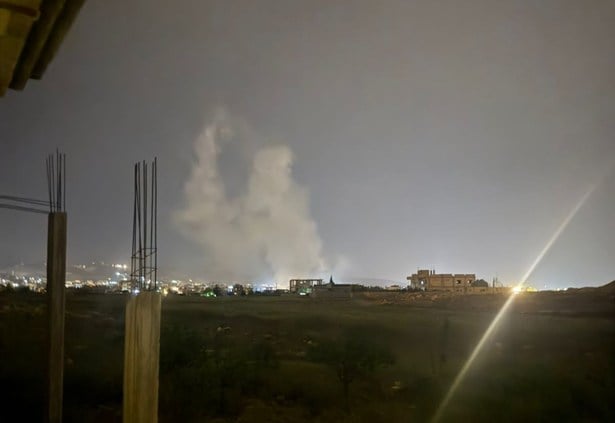
بعد الأنباء عن عمليّة اغتيال... إليكم الحصيلة النهائية للغارة على بعلبك ليلًا
-
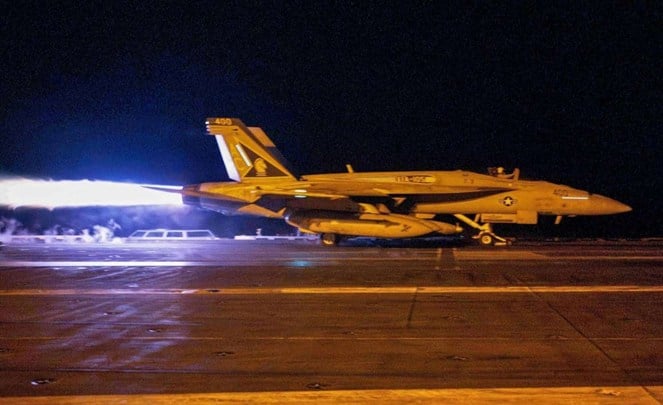
إنذار إسرائيليّ عاجل لـ 3 بلدات!
-
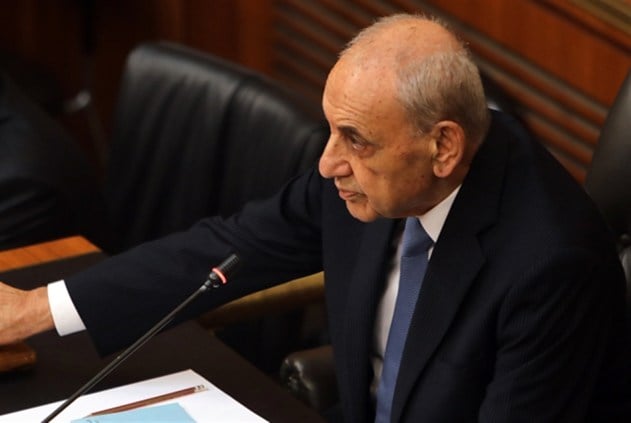
بري دعا إلى جلسة مشتركة غدًا لمتابعة درس اقتراح قانون منح عفو عام
-
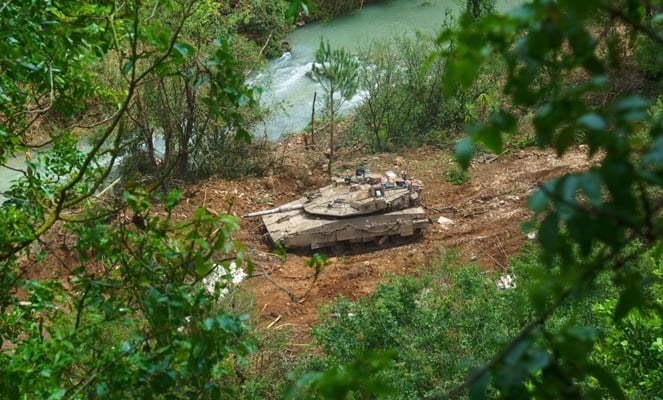
مقابل الانسحاب من جنوب لبنان.. إعلام إسرائيليّ يكشف 5 شروط!
-
بالفيديو: كفرحونة - جزين منكوبة بعد الغارة... دمار هائل وانقطاع التيار الكهربائي!
-
طرابلسي: لن أضرب منطق العدالة عندما تصل الأمور إلى جرائم القتل العمد والاغتصاب والإرهاب
-

سرقا شابّ "دليفيري" في الحازمية.. شاهدوا الفيديو!
-
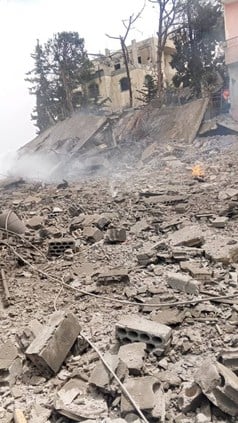
سلسلة غارات إسرائيلية عنيفة تستهدف حي القلعة في حاروف
-
نائب "الحزب" يحذّر من مسار أمني في البنتاغون بين لبنان وإسرائيل!
-
استعدّوا... الشتاء لم ينته بعد!
-
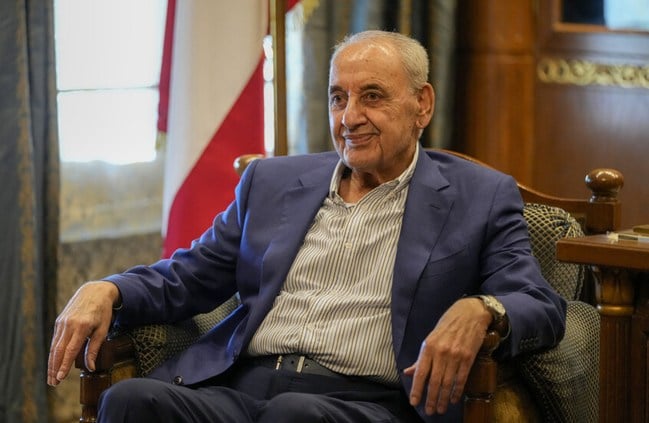
بري دعا هيئة مكتب المجلس إلى اجتماع غدًا
-
 EXCLUSIVE
كواليس - نائبان يقترِحان أمام سفيرة أجنبية حلّ "الحزب" وترحيل بيئته!..
-
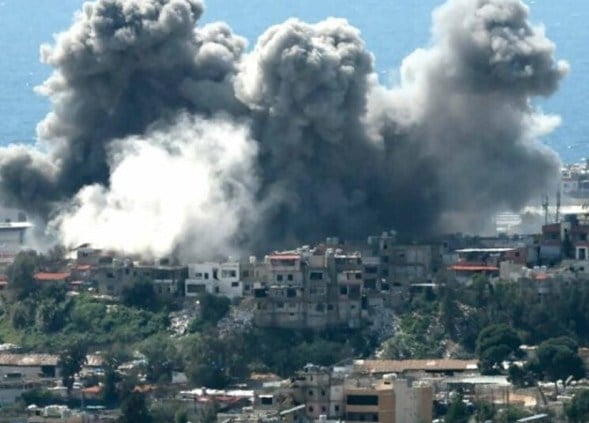
بالصورة: استهداف مجمّع سكنيّ وتجاريّ على الأوتوستراد
-

هادي ابن الـ 16 عامًا... هكذا خسر حياته!
-
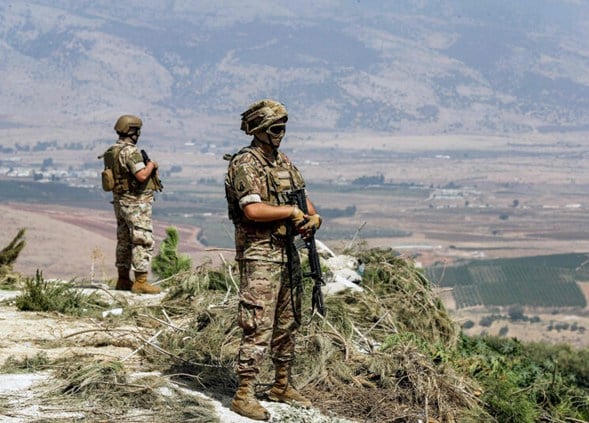
لبنان بمواجهة "التنسيق العسكري": مخاطر صدام الجيش والحزب
-
 EXCLUSIVE
كواليس - جهات أمنية ودبلوماسية تكشُف حقيقة "صاروخ ساحل علما"؟
-
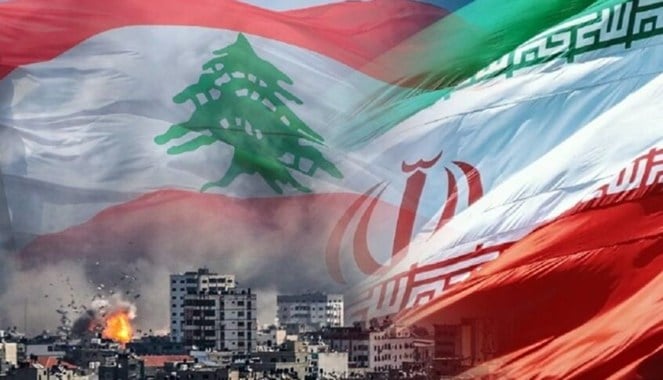
هل بدأ الغضب على إيران يتسلل إلى شيعة لبنان؟ (الشرق الأوسط)
-
-
Just in
-
15 :23
الأمم المتحدة: ندعو جميع أطراف النزاع في السودان إلى وقف الهجمات على المدنيين
-
15 :20
"القناة 14" الإسرائيلية: مسيرة مفخخة سقطت في الجانب الإسرائيلي من الحدود مع لبنان دون تفعيل صفارات الإنذار
-
15 :15
Bassil à la plateforme “ Alarabi Plus “ : c'est Israël qui déclenche les guerres, mais il existe une chance d'y mettre fin ; notre choix est libanais, et non iranien ou israélien Lire la suite
-
14 :47
"حزب الله": استهدفنا بمسيرة جرافة إسرائيلية عند مجرى النهر في أطراف بلدة دير سريان وحققنا إصابة
-
14 :34
الحركات المتطرفة: مشروع انتحار سياسي محتّم - بسّام الترك تتمة
-
14 :33
الرئيس جوزاف عون:
- واجبي وانطلاقا من موقعي ومسؤليتي أن أقوم بالمستحيل وبما هو أقل كلفة كي أوقف الحرب عن لبنان وشعبه ولقد اختبرنا الحروب والى اين أوصلت لبنان فهل من أحد يستطيع تحمل كلفتها بعد؟
- الإطار الذي وضعه لبنان للمفاوضات يتمثل بالانسحاب الاسرائيلي ووقف اطلاق النار وانتشار الجيش على الحدود وعودة النازحين والمساعدات الاقتصادية أو المالية للبنان أما ما يتم تناوله خلاف ذلك فهو غير صحيح
- سأواصل السعي لدى المملكة العربية السعودية لفتح الأسواق أمام الإنتاج اللبناني ولتقديم التسهيلات للمزارعين في الداخل اللبناني لتمكينهم من الاستمرار في الظروف الصعبة التي يمر بها لبنان

All news
- Filter
-
-
Bassil à la plateforme “ Alarabi Plus “ : c'est Israël qui déclenche les guerres, mais il existe une chance d'y mettre fin ; notre choix est libanais, et non iranien ou israélien
-
18 May 2026
-
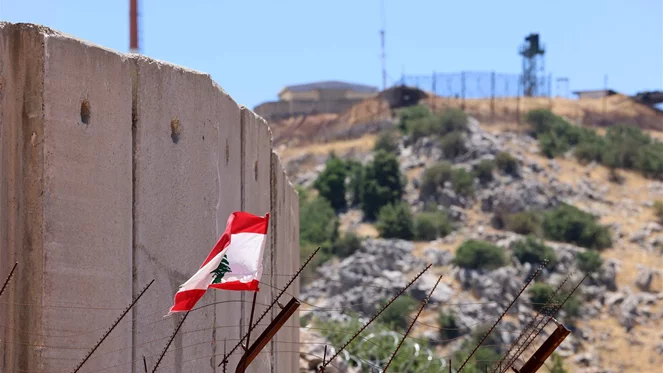
الحركات المتطرفة: مشروع انتحار سياسي محتّم - بسّام الترك
-
18 May 2026
-
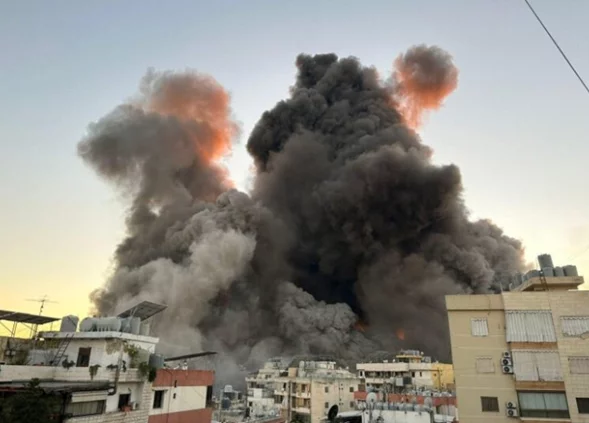
غارة إسرائيليّة عنيفة جنوبًا... وبعد تجمّع مواطنين هذا ما فعلته إسرائيل!
-
18 May 2026
-
مقترح إيراني جديد من 14 بندًا... ماذا يتضمن؟
-
18 May 2026
-
البيت الأبيض ينظم صلاة لاستعادة الجذور المسيحية لأميركا
-
18 May 2026
-
بالفيديو: لحظة غارة عنيفة جدًا
-
18 May 2026
-
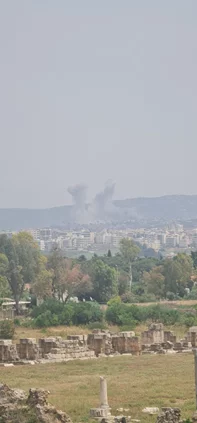
غارة إسرائيلية استهدفت بلدة حناويه
-
18 May 2026
-

الموت يُؤلم فنانة لبنانيّة: سأحبكِ حتى آخر نفس! (فيديو)
-
18 May 2026
-
 EXCLUSIVE
كواليس - مرجع مُمتعض من سفير!
-
18 May 2026
-

«دورة روما»: سينر يحرز اللقب... ويعادل رقم ديوكوفيتش
-
18 May 2026