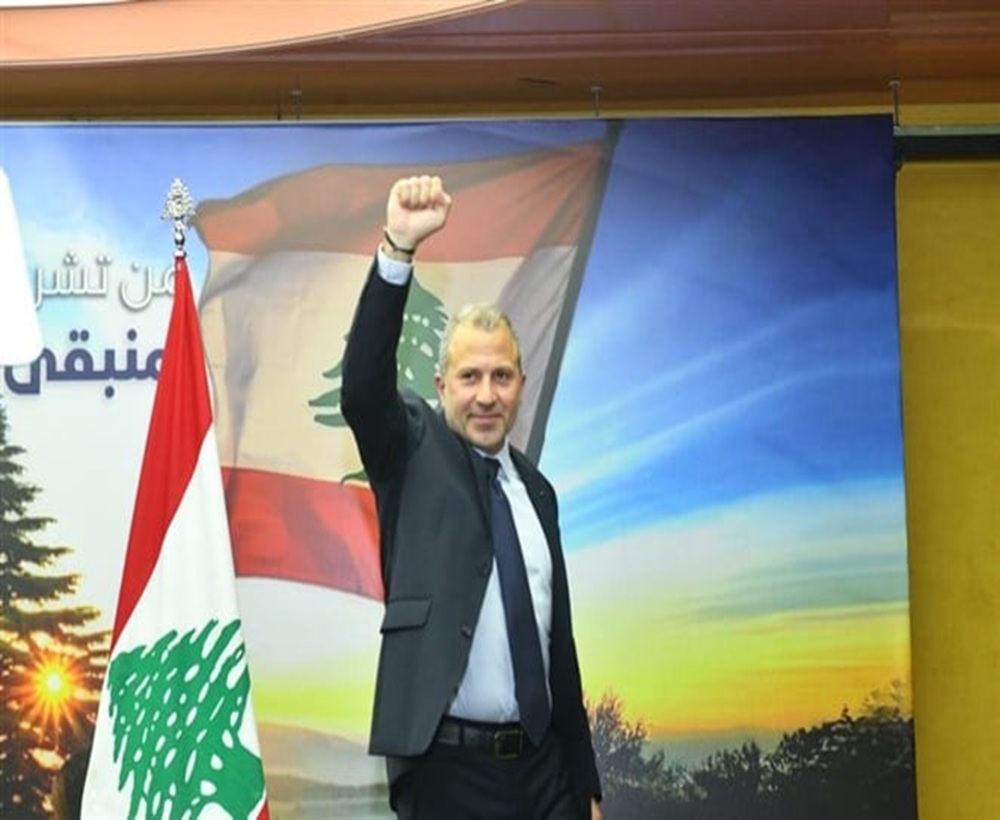
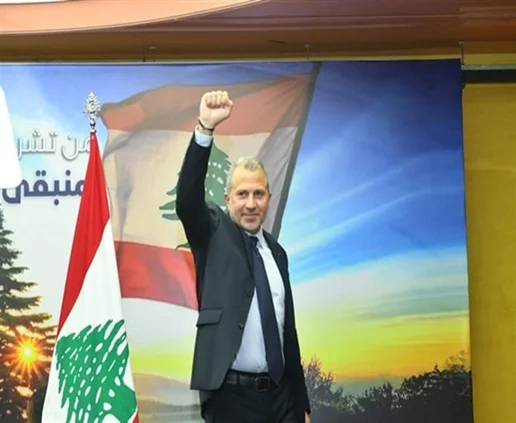
Following the Free Patriotic Movement (FPM)’s political council meeting, President MP Gebran Bassil stated that Lebanon is facing interconnected and ever more complex conflicts, with increasing dangers on multiple fronts.
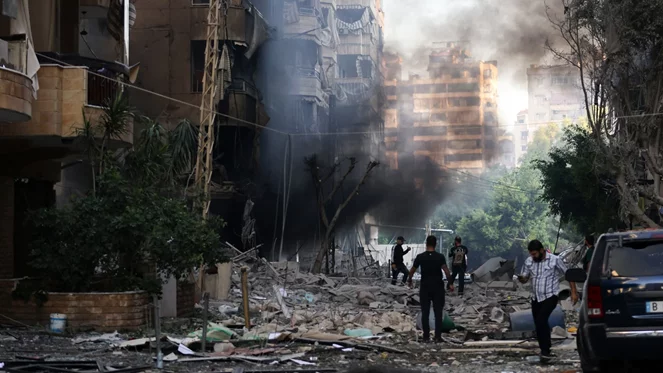
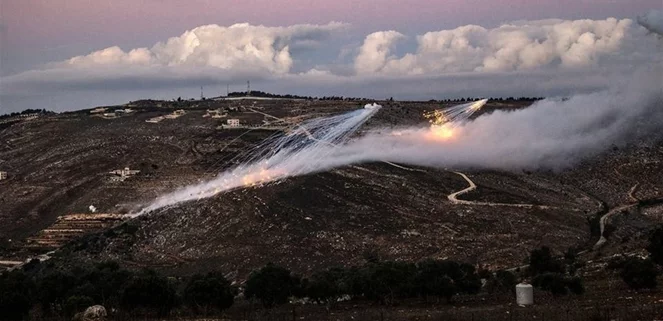
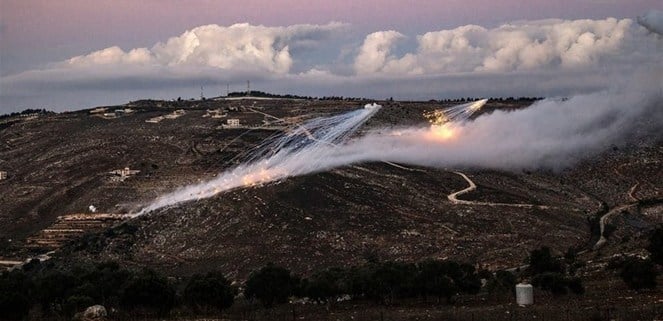
He said the threat starts with Israeli attacks on Lebanese territory, involving destruction, killing, and mass displacement, and extends to the unchecked US-Israeli confrontation with Iran and its spread across the Gulf and the broader region. Bassil stated that the conflict now swings between a regional confrontation and a larger struggle between East and West over energy, water, crossings, straits, and corridors.
He warned that it could escalate further, possibly leading to the use of the most destructive weapons and reshaping the global order. He stated that these developments make it essential for the Lebanese to agree on a framework to protect Lebanon, both by preventing internal conflicts and shielding the country from external wars. According to Bassil, this requires understanding based on clear principles and a commitment to the mechanisms necessary to implement them. Bassil said the FPM considers these understandings to fall within three main areas, the first being a code of internal conduct among the Lebanese. He explained that this internal code should include rejecting violence and refusing internal fighting, treating it as a red line that must never be crossed. He called for political differences, no matter how deep, to be expressed through dialogue and responsible communication.
In his view, managing the crisis through internal division would inevitably cause Lebanese decision-making to shift abroad, opening the door to arrangements that may not benefit Lebanon. Bassil also emphasized the importance of rejecting incitement, isolation, and fearmongering, and warned against letting impulsive reactions, accusations, and intimidation influence public discourse. He urged the media to adopt a unifying national tone, free from incitement and tension, while maintaining the right to express opinions and report facts accurately without distortion or exaggeration. Additionally, he stated that everyone must remain under the authority of the state, the constitution, and the law.
Bassil said the government, despite its weak capacity and inability to manage the crisis effectively, must bear full responsibility for providing decent temporary shelter for the displaced, ensuring their swift return to their land, rebuilding their homes, and preventing any form of new construction in the areas hosting them, so that temporary displacement does not become permanent settlement or create a new demographic reality.
He also emphasized that individuals involved in the war who are likely to be targeted should not be housed in shelters, to protect both the displaced and the host communities. He stated that those individuals, along with their affiliated parties, hold personal and political responsibility for ensuring they are not in shelters in a way that creates danger. Bassil also emphasized the importance of maintaining the authority of the state by rejecting all forms of self-security, whether by host or displaced communities. He said security forces must be deployed wherever needed and should act immediately and decisively against any violations. He reaffirmed the legitimacy of the state, its institutions, and its agencies and declared that there is no legitimacy for any form of militia rule.
He also reaffirmed the commitment of all political forces to Lebanon as one unified homeland across its full 10,452 square kilometers, rejecting any fragmentation, partition, or resettlement. He said the constitutional framework established by the Taif Agreement must remain the basis of the state, while its implementation and further development should proceed through Lebanese consensus.
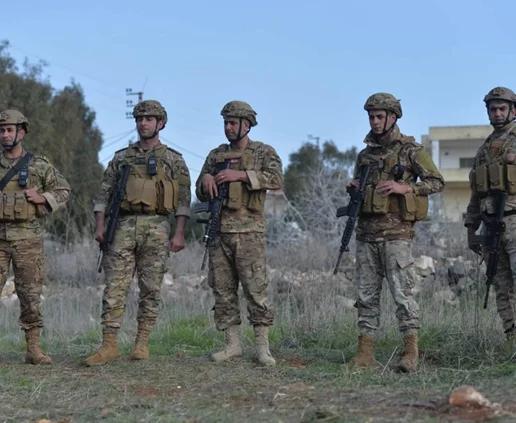
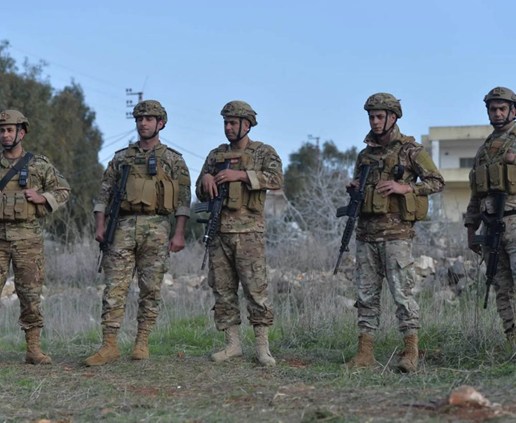
He emphasized that this includes an equal partnership between Christians and Muslims and a shared but diverse model of coexistence, ensuring Lebanon remains a symbol of diversity within a modern state founded on political, financial, and economic reform, a free and productive economy, a non-sectarian system, and decentralized development. Bassil then addressed what he called “three unacceptable scenarios,” stating they weaken the state by empowering non-state actors and those working against the state's emergence. He explained that these scenarios undermine the authority of state institutions, especially the Lebanese Army, which must stay above political divisions and conflicts, maintain its unity, and continue to serve as the guarantor of Lebanon’s unity and the safety and protection of its people against both external and internal threats. He characterized these as three firm refusals: no to internal strife, no to Israeli occupation, and no to Syrian interference.
Internal Strife
Bassil said this is unacceptable under any circumstances. He warned against allowing political disputes to spill into the streets, saying this would contribute to the collapse of state institutions and turn Lebanon into an arena for internal conflict and external interference, gradually leading to its disintegration. Instead, he said, what is needed is a responsible national approach that protects Lebanon’s unity and preserves the state. Bassil stated that the rhetoric of incitement is coming from the parties that make up the government, and that they are therefore responsible for containing it and preventing it from spilling beyond cabinet sessions. He emphasized that the FPM, from its position in the opposition, is not seeking to inflame such rhetoric to cause the government to fail. Conversely, he said, it is working to calm tensions and assist the government in that effort.
At the same time, he said neither the government nor any of its members have the right to hide internal failures by turning them into reckless incitement through the media. Bassil affirmed that it is the government’s responsibility to find a solution and prevent the matter from turning into street confrontations, especially since signs of unrest are already visible. He stated that the government must prevent the situation from worsening.
Referring to threats made by certain parties, Bassil stated that responses to such issues would be addressed after the war, as national responsibility requires responding to insults with restraint and delaying political accountability until the war concludes. He added that any party attacking the FPM from within the government is technically part of that government, while the FPM remains outside it. He emphasized that such parties should first hold themselves and the government accountable before holding the opposition accountable. He also noted that, although they are in power and the FPM is in opposition, the opposition seems to behave more responsibly than some of the parties involved in the government.
Israeli occupation of Lebanese territory
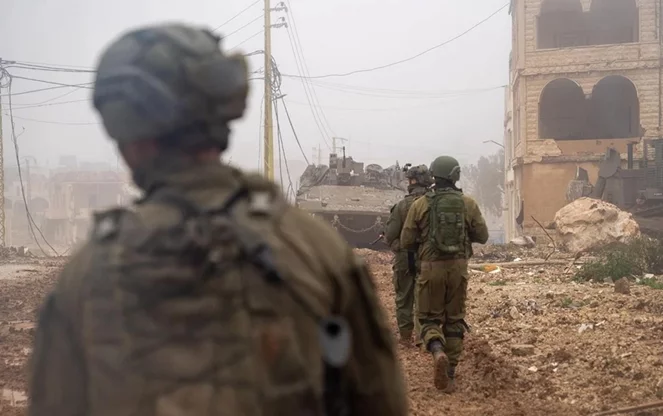
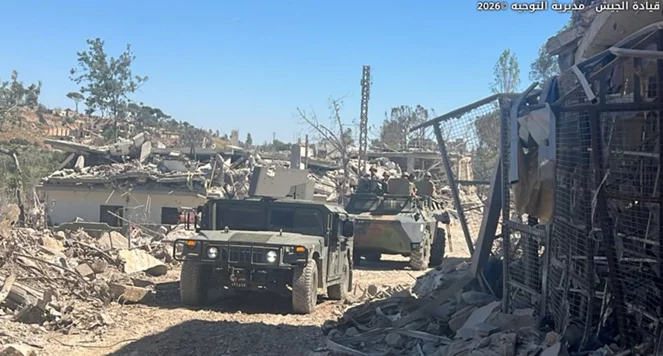
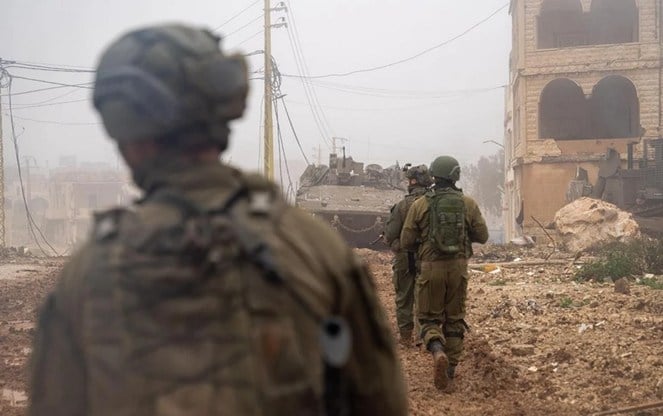
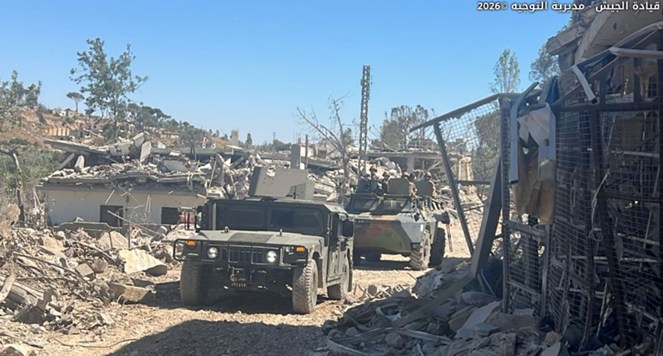
“10,452 square kilometers, not one meter less,” he stated, emphasizing that this should be the rallying cry for all Lebanese, because Lebanon in its entirety belongs to all its people, and no part should be isolated, separated, or cut off. He pointed out that the current effort to detach the area south of the Litani from the rest of Lebanon, along with Israeli Finance Minister Bezalel Smotrich’s statement that Israel’s new borders should reach the Litani River, illustrates—both through rhetoric and actions, including the destruction of bridges—that the latest conflict in Lebanon is not just another brief military clash. He described it as a strategic shift that must be challenged both geographically and demographically and cannot be accepted under any circumstances. According to Bassil, the South is Lebanon’s shield, and losing it would attack the very core of the nation.
Syrian interference in Lebanon
Bassil also expressed his refusal to any Syrian interference in Lebanon, whether political or security-related. He said any such interference would be confronted by the Lebanese and would damage Lebanese-Syrian relations, which he said should instead be based on good neighborliness, equality, mutual respect, economic and political cooperation between the two states, and solidarity between the two peoples. "Anything else," he said, "would amount to reviving a past that Lebanon does not want repeated." Bassil also spoke about the need to pursue a solution and a better future. He said the way forward lies in three corresponding paths: restoring Lebanon’s sovereignty, strengthening the state’s protection, and pursuing a just and comprehensive peace.
Restoration of Lebanon’s sovereignty
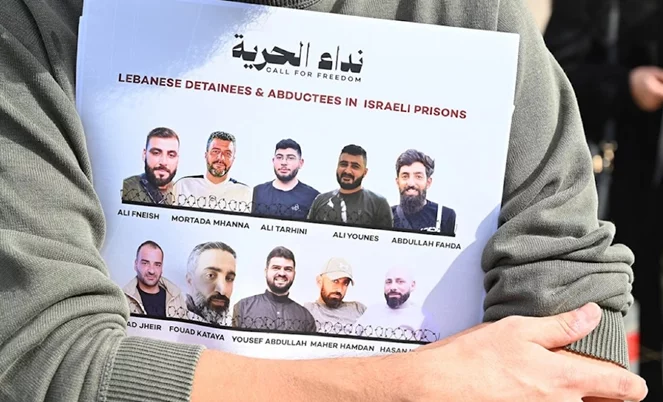
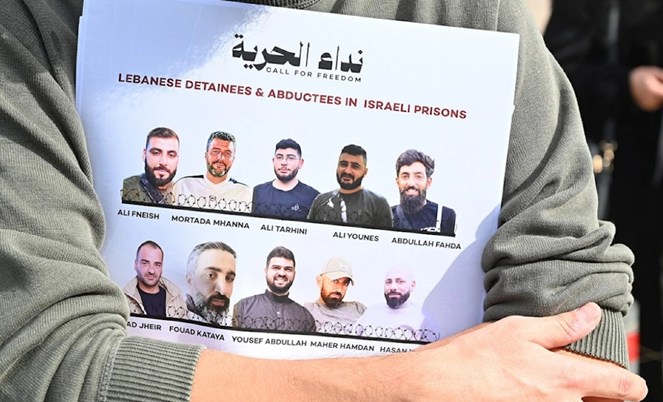
This would be achieved by removing Israeli forces from occupied Lebanese land, stopping Israeli attacks, and freeing prisoners. Bassil said this must go hand in hand with applying a previously agreed principle both inside and outside the government: that only legitimate security forces, especially the army, should hold weapons, and that the country's decision-making must be solely under the control of the state. This should be accomplished through a defense strategy that the government approves quickly, in line with what's stated in its ministerial declaration. He said such a strategy must include military, diplomatic, political, economic, financial, and popular measures to protect Lebanon, make it stronger, and build resilience using all available sources of strength.
Strengthening the state’s protection
Bassil said this requires additional measures, including arming the army, empowering the security institutions, and distancing Lebanon from axis politics and regional conflicts, even if that requires internal agreement, international endorsement, and regional acceptance.
He also said Lebanon should conclude a mutual defense agreement and secure international guarantees for its protection and defense against any threats it may face.
Achieving a just and comprehensive peace in the region
Bassil said Lebanon should adopt this principle and pursue it through talks between Lebanon and Israel under the sponsorship of the international quintet, alongside a similar regional track. He said this path would aim to restore Lebanon’s rights, starting with its occupied land, sovereignty, sea and airspace, and its right to invest in its natural resources, whether water, oil, or gas. He added that it would also offer a solution to the issue of Palestinian refugees and displaced Syrians, while leading to Israel being granted its right to live securely within its region, including on the Lebanese front. Bassil concluded by saying that this proposal comes amid the current war and on the eve of the Feast of the Annunciation, as a concise political initiative.
He said the FPM would present it to officials across the country. He called on all political forces, especially the rival parties within the government, to adopt wise and unifying conduct in order to preserve Lebanon as a country of message, diversity, and freedom. He added that, on this occasion, the FPM recalls the words of Pope Leo XIV during his visit to Lebanon, when he called on Lebanese youth to remain rooted in their faith rather than fall into extremism, to prioritize national unity over sectarian narratives, to act through hope rather than fear, and to take responsibility for preserving Lebanon’s stability and identity.
In the same spirit, Bassil also recalled the words of the late Imam Moussa al-Sadr, who said that if Christians and Muslims in Lebanon are not united, then neither will survive. Bassil stated that the FPM is committed to supporting Lebanon through steadfastness, faith, and dedication to the country’s unity, freedom, and independence across its full 10,452 square kilometers. He called on all Lebanese to stand together in solidarity to preserve a unified Lebanon.











 EXCLUSIVE