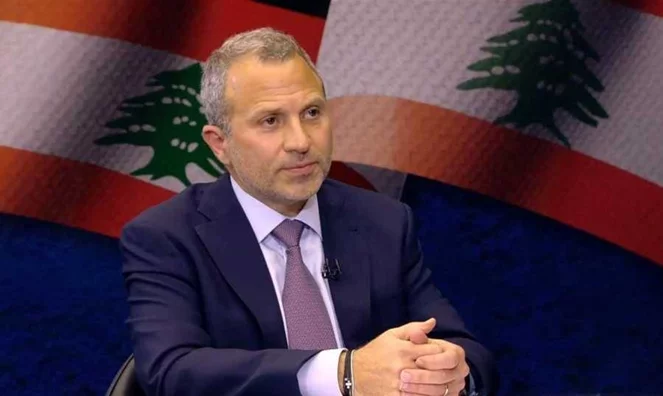
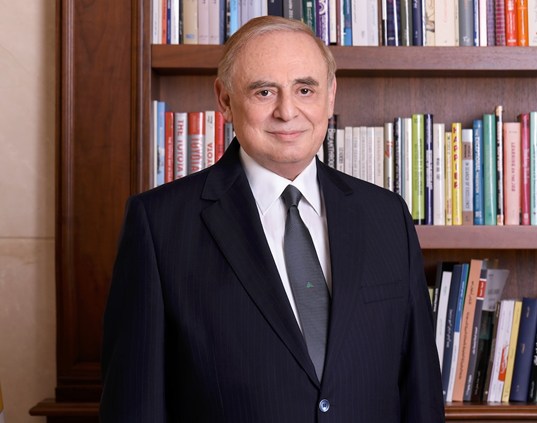
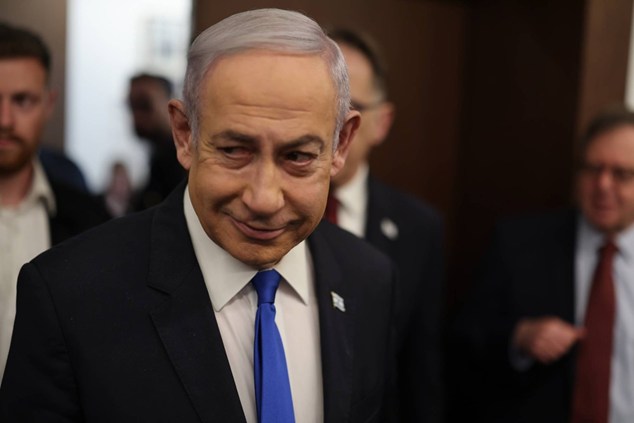
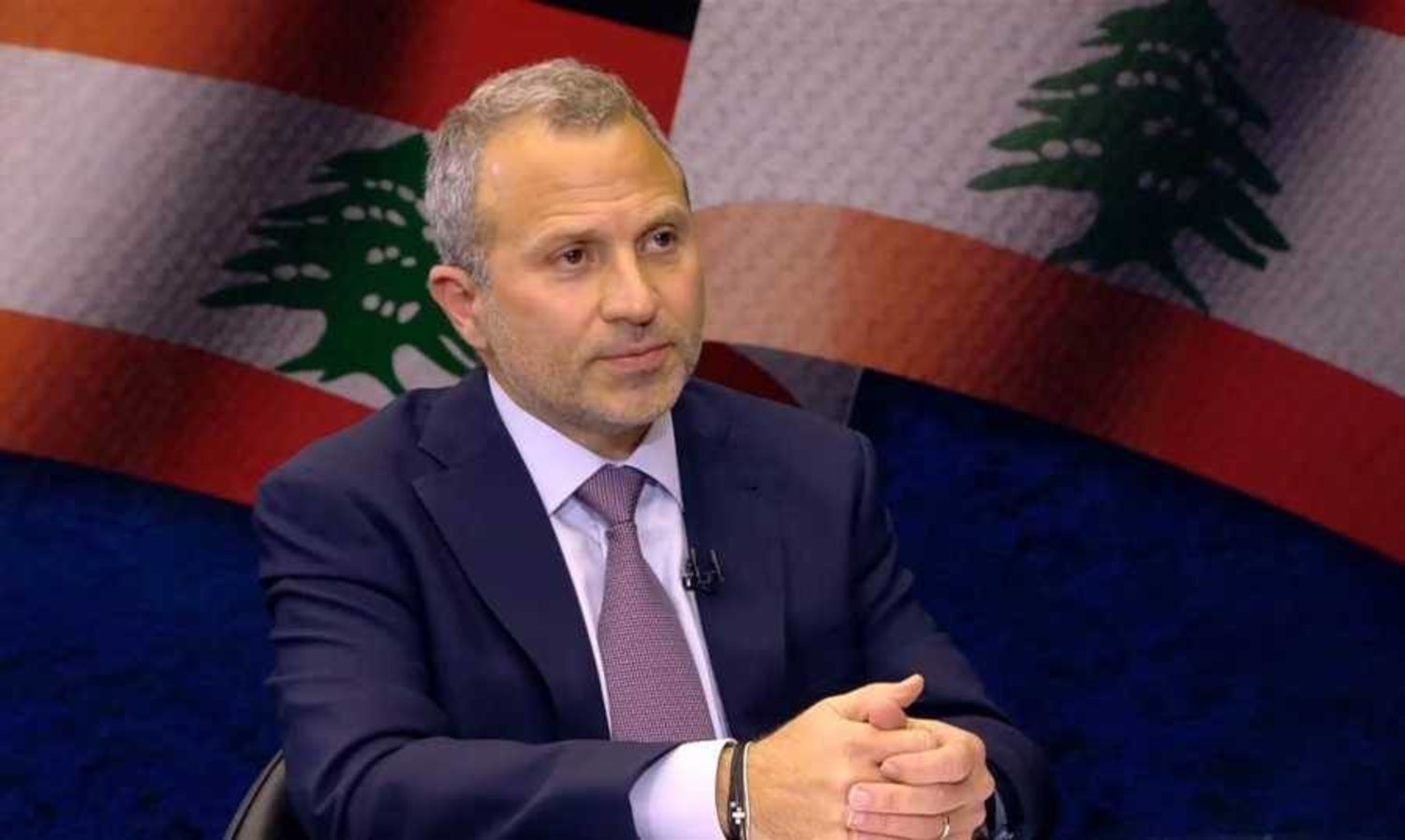
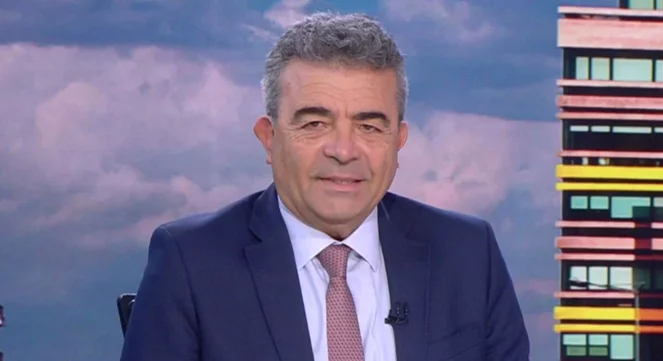
The president of the Free Patriotic Movement, MP Gebran Bassil, said in an interview with Al-Ghad TV and journalist Sami Kleib that it is impossible to predict how long the war will last. He explained that Israeli Prime Minister Benjamin Netanyahu’s approach is focused on war, and what makes the situation more dangerous is that he has elections in October. Netanyahu cannot stop the machinery that prolongs his time as prime minister, even as he tries to portray himself as a “Ben-Gurion” and believes he can force peace, although peace depends solely on rights and survival.
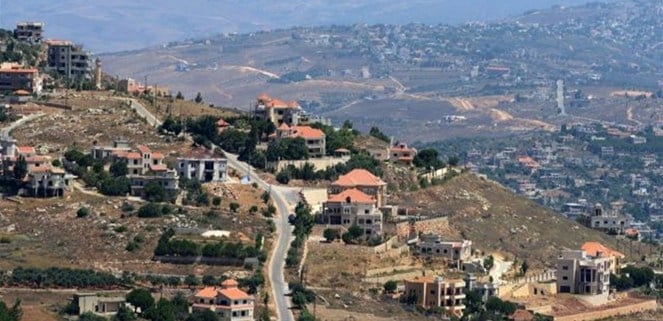
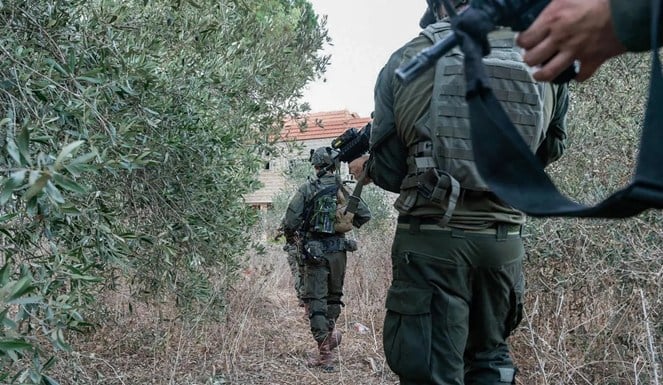
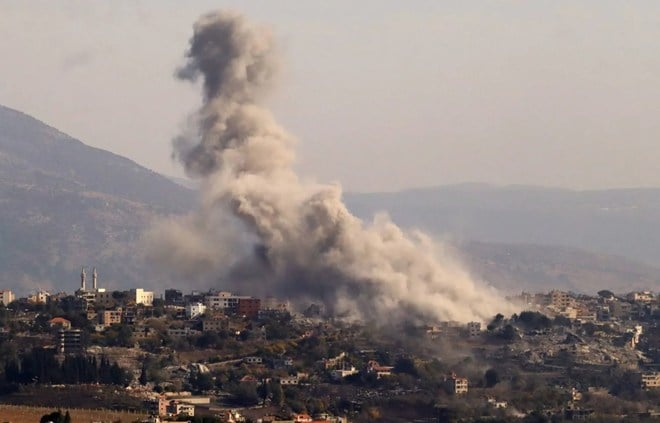
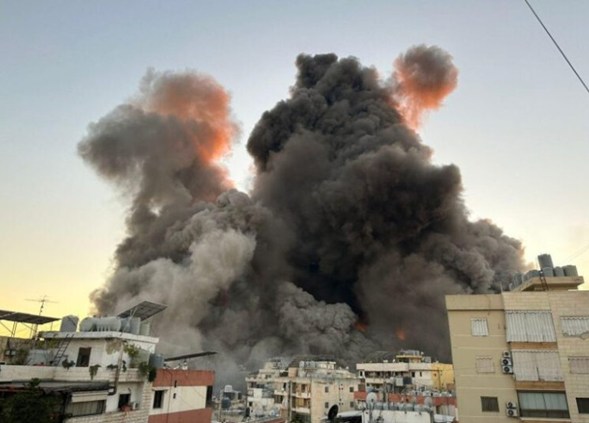
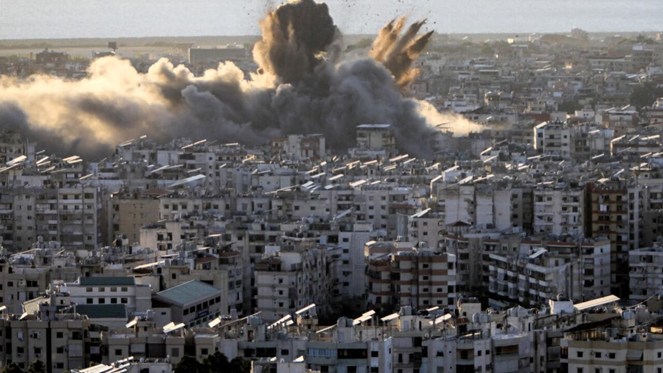
Bassil emphasized: “The more resilience we see from the resistance in Lebanon, the more aggression we see from Israel. The separation of the South of the Litani from Lebanon is concerning, as the Israelis are aware that the rockets being fired come from a distance of 160 km, and thus, the security zone does not protect them. He emphasized that “Israel has never hidden its greed for Lebanese land; the trajectory in the region is not reassuring; the Greater Israel project is no secret; and the military operations taking place point in this direction.”
Bassil emphasized: “The ethnic cleansing taking place is very dangerous, and we want all Lebanese to stay on their land—Christians and non-Christians alike—and there can be no discrimination among our people.”
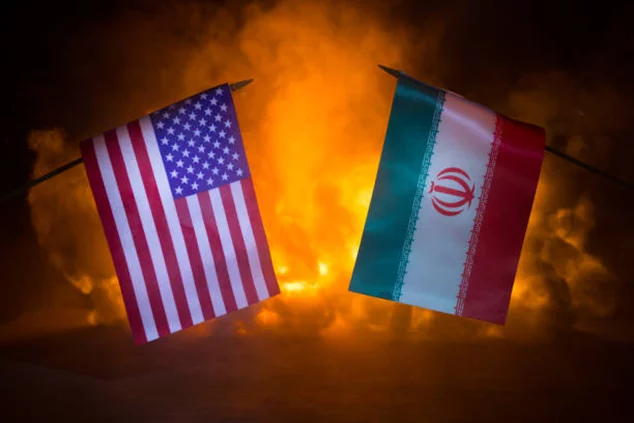
In response to comments linking Iran’s negotiations with the United States and Israel to the Lebanon issue, Bassil stated that “we want to keep Lebanon out of regional conflicts, and any attempt to connect Lebanon to others’ wars will be paid for by the Lebanese people, especially since no one can guarantee the outcome of the war to justify linking us to it.” He added: “It was proven during the Gaza War that it did not defend Lebanon when it was attacked.” Bassil pointed out that “linking the two issues may benefit Hezbollah and its surroundings, but what if the war does not end the way they want it to?” He continued: “If Iranian power manifests itself in the form of forcing Israel to stop the war with Lebanon and withdraw from our territory, that is good. But we all know that Israel does not want to stop the war, not even against Iran, and if it does, it will be under American pressure and at America’s urging. Is Iran capable of forcing Israel to link the Lebanon issue to it?”
Bassil said, “There is no possibility of an Iranian victory over the United States or a ‘Hezbollah’ victory over Israel, but there is a possibility of resilience. If that happens and ‘Hezbollah’ uses this resilience to liberate the land and integrate into the state, that is good; but if it uses its power to act as it pleases and uses its power at the expense of the state, that is not positive.”
He emphasized that “Hezbollah did not slide into war but dragged the entire country into war, and since the war in support of Gaza, the situation has begun to deteriorate; the victory is relative, as there are economic repercussions on the country, the emigration of Lebanese, and other consequences,” stressing that “we have no capacity to wage others’ wars on our land.
Bassil emphasized that “there is a graduated chain of responsibility: first on the aggressor, then on Hezbollah, and ultimately on the government, which has proven its inability to manage the issue, lost its credibility both domestically and internationally, and made empty promises.” Bassil affirmed: “Despite this, we stand behind the legitimate government and support the approach of confining weapons to the state, but all of this must be part of a comprehensive plan that the government committed to implementing—and that has not happened.”
He explained: “Many know that the promises made to the international community are unfeasible, yet they made them anyway to shift the blame onto the international community, claiming they did their part, while the army is now left alone without a decision.” He emphasized that “the government has raised the bar for decisions because it promised and committed to matters beyond its capacity.”
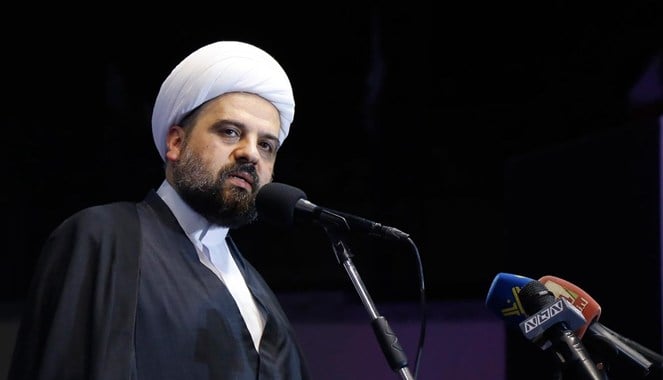
He added: “Hezbollah must realize that its military role is over, but I believe it is a mistake for anyone to think they can eliminate the political Hezbollah.” Responding to a question about statements by Mahmoud Qamati, deputy head of Hezbollah’s Political Council, he said: “He is condemning himself because he is a participant in the government and has granted it confidence. Any threat to the Lebanese people, especially from someone who bears arms, is unacceptable, and we reject Hezbollah’s threats to wage a civil war or take retaliatory actions against people who hold political views. Incitement against Hezbollah’s supporters is also unacceptable, and Lebanon’s greatest resilience lies in how we treat one another during times of crisis.
In response to remarks by some MPs that the cost of disarming Hezbollah internally would be lower than the cost of war with Israel, Bassil noted that “there is a common saying repeated by President Michel Aoun: ‘100 days of fighting abroad is better than a single day of fighting at home.’”
He emphasized that “our role is to arm the army, and we must strengthen it to prevent this from happening; we must all sever our ties with foreign powers and have no hidden agendas." Bassil affirmed: “The solution lies in a Lebanese agenda; unfortunately, there is American alignment with Israeli policies.” He said: “Does any sane person think of attacking the Lebanese Army? Did they give it the capability? Are they giving it a recipe for division?" He added: “I challenged them to give the army a clear order, not an ambiguous one, because the army does not operate on slogans.” He asked: “Don’t the Forces and the Phalanges know that the army cannot disarm Hezbollah?” I am disturbed when someone from Hezbollah threatens civil war, but I ask: why are you hiding the truth? There are those calling for Syria to intervene and hoping Israel will finish the job!
Bassil emphasized: “We are in a dangerous situation, and this is not the time for internal squabbles, but I warn that we must all declare that internal fighting is forbidden.”
In response to a question about whether he would agree to direct negotiations with Israel, Bassil stated: “I understand President Joseph Aoun’s fears and his efforts to completely ward off the specter of war, but the issue of negotiations is merely a formality, and I believe it would be better not to proceed with them in this manner without anything in return—especially since Lebanon has negotiated with Israel seven times before, and look where we are now.” He added: “But if we initiate negotiations whose sole purpose is to entrench the occupation, that is what we must be wary of.”
He added: “I support negotiations that lead to the establishment of a genuine, just, and lasting peace that restores Lebanon’s rights to its land, water, and gas, and ensures the return of Palestinian refugees and Syrian displaced persons. Therefore, I am in favor of a comprehensive solution, but negotiating to entrench the occupation is unacceptable.” He emphasized that “we are at war, and the priority now is to stop it; it is the responsibility of the political leadership to develop a comprehensive plan to defend Lebanon and restore its rights.”
He continued: “I do not want to make further concessions, and I want more than a temporary solution. We have presented a 7-point paper for a just and lasting peace. Realistically, we cannot return to 2023, but it is possible if we, as Lebanese, agree to move toward peace and a defense formula for Lebanon in which major powers such as the United States participate to protect Lebanon.”
Regarding President of the Parliament Nabih Berri’s stance on negotiations, Bassil noted that “Berri has experience with this issue, and in practice, he has not rejected the principle of negotiation; rather, he has linked it to the principle of a ceasefire and the return of displaced persons. If he does not proceed with negotiations, he must return the displaced to their homes and ensure that attacks do not resume—otherwise, he cannot do so.”
Regarding the issue of Syrian forces gathering on the border with Lebanon, Bassil emphasized his concerns about the Syrian border because other powers and countries are encouraging Syrian President Ahmad al-Sharaa to help disarm Hezbollah. He noted that the disagreement is between two plans: one focuses on dividing the region’s countries, and the other on keeping them as they are. The real issue involves the U.S. and Israel, as well as Israel and the Gulf states.
Bassil said of al-Sharaa that “between capability and willingness, it is clear he has undergone a major shift, and the rhetoric he adopts is reassuring; the problem lies in the internal and external pressures being exerted on him,” noting that “his commitment to Syria’s unity is commendable, and this implies his awareness that if he enters Lebanon, it will affect Lebanon’s unity, and this will spill over into Syria.”
Bassil noted that “there are three dangers threatening us, and anyone who thinks they can use them to eliminate Hezbollah is deluding themselves, because in reality they reinforce its role.” He explained: “The first is the widespread Israeli occupation of Lebanon, followed by internal fighting, as it leads to chaos, and a Syrian intervention, as it grants legitimacy to Hezbollah, the army, or any other forces for defense. For this reason, the reassuring statements we hear from Syrian President Ahmad al-Sharaa are positive, and we hope they continue.” Bassil revealed: “Regarding the Syrian issue, I have been in contact with friends from the Gulf states, and I sensed their concern that the relationship between Lebanon and Syria remain disciplined; they have reservations about what happened in Lebanon. Our duty, in the spirit of solidarity, is to ensure that no harm comes to Lebanon—at the very least, to the Gulf and its states—as this would benefit Lebanon.”
Bassil emphasized: “There is a plan to sow Sunni-Shia discord, and this is nothing new. There was a possibility for Iran to exert pressure without attacking Gulf states.” He added, “When a missile falls on the Gulf states, it harms the Lebanese. Iranian pressure through other means is more effective than attacking Arab states, and my responsibility as a Lebanese is to stand in solidarity with Arab states.”
He said: “The attack on the UAE is completely unacceptable, and there is a dimension involving the conflict over the Belt and Road Initiative and the India-Middle East-Europe Economic Corridor; therefore, you must observe who struck Fujairah, and this fundamental conflict revolves around controlling the oil sources from which China benefits.” He noted that “there is a U.S. agenda in the region, and there is an economic dimension to its war in the Middle East that extends beyond Iran to China, and it is aware that whoever controls the corridors controls the global economy.”
He asked, “Where is the diplomatic effort, and why is the Ministry of Foreign Affairs only taking one side?” He explained, “I filed a complaint against Israel at the International Criminal Court when I was foreign minister, and our prime minister is an international judge. It is unreasonable for us to do nothing and see only one side of the war. No matter how much anger I have toward Hezbollah, there is a foreign army attacking us, and at the very least, we must defend Lebanon.” He concluded by asking, “Doesn’t what Israel is doing warrant filing a complaint with the Security Council or requesting a Security Council session, for example?”