







Bassil at “Village Exhibitions in Batroun”: Lebanese Products Are Part of Our Identity and a Key Strength of Our Economy
-
30 August 2026

-
10 hrs ago

-
-
source: tayyar.org
-
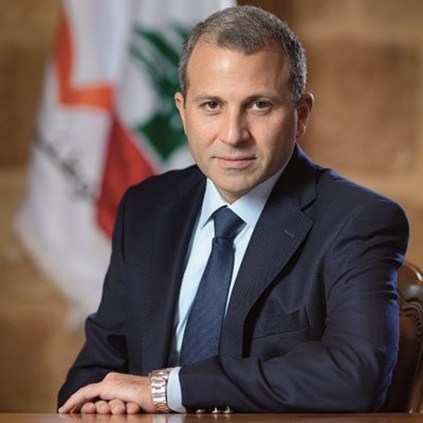
Under the patronage of MP Gebran Bassil, head of the Strong Lebanon parliamentary bloc, and Minister of Agriculture Dr. Nizar Hani, the Lebanese Association for Studies and Training, the Batrouniyat Association, and the Municipality of Batroun organized the “Village Exhibitions in Batroun,” an event showcasing agricultural products, food industries, and handicrafts.
Held at the Batrouniyat Association, the event was attended by Director General of the Ministry of Agriculture Louis Lahoud, along with a number of officials, stakeholders, and participants.
Bassil: Lebanese Food Products Are Intrinsically Tied to Our National Identity
Speaking at the event, Bassil said the gathering brought him back to the original idea behind the establishment of Batrouniyat, noting that the initiative began with “Batroun’s traditional preserves and food products.” He said his connection to these products is rooted in the land, identity, history, and the characteristics that distinguish Lebanon.
Bassil said he has always viewed Lebanese products, particularly those associated with the food industry, as intrinsically tied to Lebanon’s national identity.
“I was politically criticized for using the term ‘entity-defining,’ and people interpreted it differently, but I see it as connected to everything that distinguishes this country,” he said.
Bassil stressed that the food industry begins with agriculture and the land. In a small country such as Lebanon, he said, preserving the land starts with agriculture and continues through industries that add value to agricultural products and make them available for domestic consumption or export.
He also highlighted the importance of trade in Lebanese life, describing it as part of the country’s character “from the days of the Phoenicians to the present and into the future.” He added that the Lebanese commercial instinct is so deeply rooted that “we even use trade in politics.”
Bassil linked food production to tourism and culture, emphasizing that the Lebanese table is a fundamental part of the country’s cultural identity. He pointed to wine as an important element of French culture, wine and cheese in Italy, and olives and olive oil in Spain, noting that food products in these countries are not merely commodities but an integral part of their culture.
The same, he said, applies to Lebanon. The tradition of Lebanese families gathering around the table reflects the country’s history and family values and helps preserve one of the fundamental pillars of Lebanese society: the family. At the same time, he stressed that food production must also serve as a genuine source of livelihood.
Bassil addressed the challenges facing the sector, pointing to the need for stronger legislative frameworks and greater support to help it develop, as well as increased awareness among Lebanese farmers to achieve higher quality standards.
In this context, he praised the work of the Lebanese Association for Studies and Training and stressed the importance of improving the quality of Lebanese products so they can compete more effectively in international markets and provide a sustainable source of income for Lebanese producers.
“Lebanon may be small in size, but we have the ability to compete through quality, and we have the distinctive Lebanese flavor across our cuisine, from tabbouleh to hummus and many other dishes,” Bassil said, stressing that no matter how much others try to imitate Lebanese cuisine, they cannot replicate what makes it unique.
Bassil said agriculture is a matter of “deep national importance” to him because he sees it as a key strength of the Lebanese economy and an area in which Lebanon enjoys significant competitive potential, citing the development of the country’s wine industry as an example.
Recalling his tenure at the Ministry of Foreign Affairs, Bassil said the idea of appointing economic attachés was also driven by the scale of the Lebanese diaspora worldwide.
He said that the presence of around 14 million Lebanese abroad who can be reached represents a tremendous opportunity. If every member of the Lebanese diaspora were to regularly consume Lebanese products, he argued, this could significantly expand opportunities for food exports and help turn the sector into a major pillar of the national economy.
Bassil thanked Agriculture Minister Nizar Hani, praising his efforts and describing his activities in Batroun as an example of this work.
He also addressed the importance of preserving Lebanon’s forests, recalling a previous dispute over the deployment of forest wardens. Bassil said the issue at the time “was regional, not sectarian,” explaining that the objective was to ensure the presence of forest wardens across all regions in order to provide effective protection for the country’s forests.
“They turn everything into a sectarian issue in Lebanon, and they took away our right to add more forest wardens so that there would be an effective protective presence,” he said, adding that he had faced numerous disputes with individuals and politicians over the protection of forest resources.
Bassil also praised Director General of the Ministry of Agriculture Louis Lahoud, describing his work and engagement as essential.
Concluding his remarks, Bassil emphasized the importance of Batroun as a place that brings people together.
“I am happy that everyone comes together in Batroun, and that Batroun reaches out to everyone. This is the Lebanon we want: a mixed and diverse Lebanon, rich in its diversity, capable of disproving the idea that we cannot live together. We cannot live except together, and we do not want to live except together. This is our choice,” he said.
Hani: Batroun Is a Model of an Integrated District, from the Sea to the Cedars of Tannourine
For his part, Minister of Agriculture Dr. Nizar Hani said Batroun represents a model of how a series of small-scale initiatives can help stimulate economic activity.
Addressing Bassil and those attending the event, Hani said: “Minister Bassil, friends, members of the agricultural community, and partners of the Ministry of Agriculture, Batroun is a model that has stimulated the economy. We have carried out small initiatives here that have benefited the economy.”
Hani described Batroun as an integrated district stretching “from the sea to the Cedars of Tannourine,” noting that it possesses the environmental, agricultural, and heritage assets needed to support its development.
He said his various stops across Batroun provided an opportunity to address a broad range of issues affecting the agricultural sector.
Discussions included the concerns of fishermen and the new maritime fishing law, while meetings with the Federation of Municipalities addressed forest-related issues and the problem of stray dogs. The visit also covered the beekeeping sector and ways to further develop agriculture in the district.
Hani stressed that every issue raised during the visit would be followed up and expressed hope that progress could be achieved across the Batroun district as a whole.
Lahoud Recalls Cooperation with Bassil: From Wine to Promoting Lebanese Products Worldwide
Director General of the Ministry of Agriculture Louis Lahoud, meanwhile, recalled several milestones in his cooperation with Bassil in supporting Lebanon’s agricultural sector and promoting Lebanese products.
Speaking on behalf of the agricultural sector, Lahoud said he wanted to highlight several stages of his work with Bassil, beginning with the period when Bassil served as acting Minister of Agriculture following Lahoud’s return to the ministry in 2012.
Lahoud recalled efforts at the time to develop Lebanon’s wine sector, explaining that then-Minister of Agriculture Hussein Hajj Hassan had delegated Bassil to follow up on the wine portfolio. Those efforts expanded from one Lebanese region to another, eventually contributing to a sector that now includes 63 wineries registered with the Ministry of Agriculture.
He said Bassil supported the sector across various Lebanese regions during that period. Later, after becoming Minister of Foreign Affairs, Bassil worked to promote the presence of Lebanese products at diplomatic events and meetings abroad.
Lahoud recalled how Bassil brought boxes of Lebanese products to meetings overseas, citing one occasion in Iraq when Lebanese tomatoes and cucumbers were brought into the meeting itself.
He also referred to events in Bologna, the Czech Republic, Serbia, and Hungary, where the Ministry of Agriculture, with Bassil’s support, participated in efforts to promote Lebanese products. Similar initiatives were undertaken in Brazil and the United States.
Lahoud also recalled preparations in 2019 to organize the “National Days” in Brazil, saying Bassil helped facilitate the export of Lebanese products to Rio de Janeiro and São Paulo through the diplomatic pouch, making it possible to organize a Lebanese Day in Brazil.
Lahoud said these initiatives were part of a broader effort to promote Lebanese agricultural and food products and expand their presence in international markets. -
-
Just in
-
23 :04
الحرس الثوري الإيراني: عدوان العدو على جزيرة لارك سيقابل بالرد ومعاقبة المعتدي
-
23 :02
وكالة تسنيم: العدو شن قبل ساعة هجوما بطائرة مسيرة على جزيرة لارك في محافظة هرمزغان جنوبي إيران
-
22 :56
الجيش يُحرّر مخطوفًا ويوقف المتورطين في عمشيت تتمة
-
22 :52
أزمة قلبية تخطف ابنة فنانة شهيرة تتمة
-
22 :38
"أكسيوس": الحرس الثوري الإيراني كان يستعد لإطلاق صواريخ مزودة بألغام بحرية بمضيق هرمز
-
22 :01
نتنياهو: إيران لن تطور سلاحا نوويا ما دمت رئيسا للوزراء
-


-
Other stories
-
-

الجيش يُحرّر مخطوفًا ويوقف المتورطين في عمشيت
-

أزمة قلبية تخطف ابنة فنانة شهيرة
-

الإمام موسى الصدر: نعيش ضمن هدنة وليس حرباً مع إسرائيل.. وليس من مصلحة المقاومة الفلسطينية أن تحل محل السلطة اللبنانية!
-
 EXCLUSIVE
بالفيديو - رفيق نصرالله كما لم تَرَوه سابقاً لـTTV:من دخوله صبرا و شاتيلا و وفاة ابنه الى منعه من السفر وما قصّة الارغيلة و ال ٥$ على تنكة البنزين؟
-
الخارجية رحبّت بحرص وزير الخارجيّة الإيرانيّة على إقامة علاقات طيّبة مع الحكومة اللبنانيّة
-
إعلامية "الجديد" تتعرض لحادث سير وتكشف ماذا حصل معها!
-
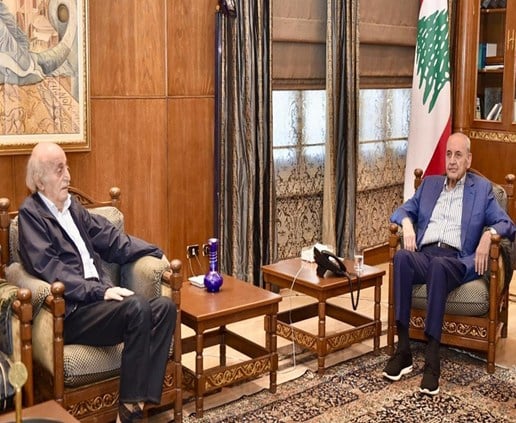
بري بحث التطورات مع جنبلاط
-

العثور على سيّدة في ديك المحدي مجهولة الهويّة... هل تعرفون عنها شيئاً؟
-
Bassil en las ‘‘Exposiciones de los pueblos en Batroun”: El producto libanés forma parte de nuestra identidad y es un elemento fundamental de nuestra economía
-
شواطئ مجانية بضوابط صارمة... رسامني يعلن 20 شاطئًا شعبيًا
-

يروّج الذهب المزيّف... والقوى الأمنية تُوقِفه بالجرم المشهود (صورة)
-
الراعي في الديمان: السلاح للدولة والجنوب ليس أرض انتظار
-
أبو زيد: غُيّب الإمام موسى الصدر عن العيون، وبقي حاضراً في وجدان الوطن…
-
باسيل في ذكرى الصدر: صوت وطني آمن بأن لبنان لا يحمى إلا بوحدته
-
.png)
قيادة الجيش نعت رئيس الأركان السابق اللواء رياض تقي الدين
-
الجنوب في قبضة الانسداد: إسرائيل تريد الأرض والسلاح والتطبيع
-
معلومات أمنية: أنشطة المنظمات المتطرفة لا تلحق الضرر الأكبر بالدولة التي تستهدفها... بل بالمجتمعات المسلمة
-
.png)
بديل اليونيفيل يتعثر في روما..والجيش يختبر المانحين في باريس
-
عناوين الصحف ليوم الأحد 30 آب 2026
-

واشنطن تحسم الجدل بشأن الحوار مع "الحزب"... سحب ورقة مهمة من يد بري
-
-
Just in
-
23 :04
الحرس الثوري الإيراني: عدوان العدو على جزيرة لارك سيقابل بالرد ومعاقبة المعتدي
-
23 :02
وكالة تسنيم: العدو شن قبل ساعة هجوما بطائرة مسيرة على جزيرة لارك في محافظة هرمزغان جنوبي إيران
-
22 :56
الجيش يُحرّر مخطوفًا ويوقف المتورطين في عمشيت تتمة
-
22 :52
أزمة قلبية تخطف ابنة فنانة شهيرة تتمة
-
22 :38
"أكسيوس": الحرس الثوري الإيراني كان يستعد لإطلاق صواريخ مزودة بألغام بحرية بمضيق هرمز
-
22 :01
نتنياهو: إيران لن تطور سلاحا نوويا ما دمت رئيسا للوزراء

All news
- Filter
-
-

الجيش يُحرّر مخطوفًا ويوقف المتورطين في عمشيت
-
30 August 2026
-

أزمة قلبية تخطف ابنة فنانة شهيرة
-
30 August 2026
-

الإمام موسى الصدر: نعيش ضمن هدنة وليس حرباً مع إسرائيل.. وليس من مصلحة المقاومة الفلسطينية أن تحل محل السلطة اللبنانية!
-
30 August 2026
-
 EXCLUSIVE
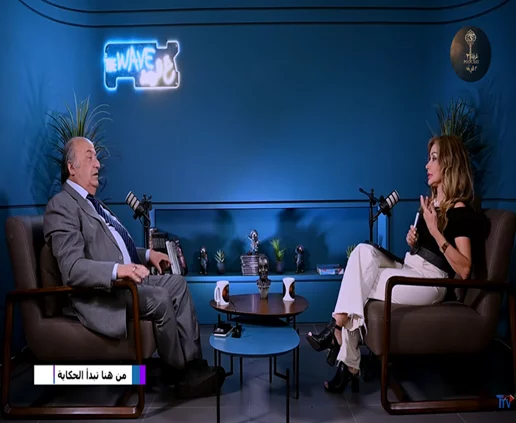
بالفيديو - رفيق نصرالله كما لم تَرَوه سابقاً لـTTV:من دخوله صبرا و شاتيلا و وفاة ابنه الى منعه من السفر وما قصّة الارغيلة و ال ٥$ على تنكة البنزين؟
-
30 August 2026
-
الخارجية رحبّت بحرص وزير الخارجيّة الإيرانيّة على إقامة علاقات طيّبة مع الحكومة اللبنانيّة
-
30 August 2026
-
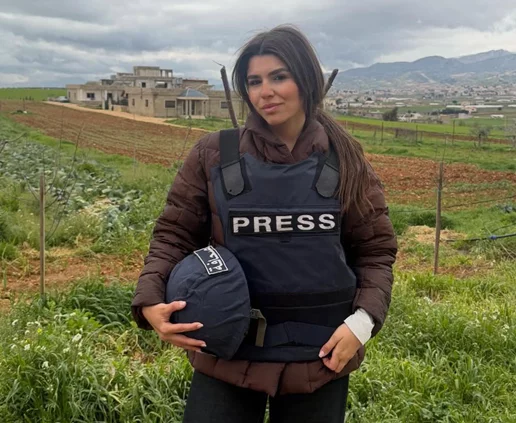
إعلامية "الجديد" تتعرض لحادث سير وتكشف ماذا حصل معها!
-
30 August 2026
-
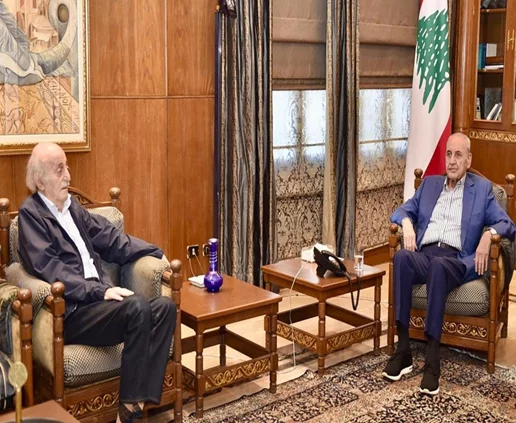
بري بحث التطورات مع جنبلاط
-
30 August 2026
-

مسؤول في الناتو: روسيا تكثف أفعالها التخريبية لكن لا نتوقع هجوماً وشيكاً
-
30 August 2026
-
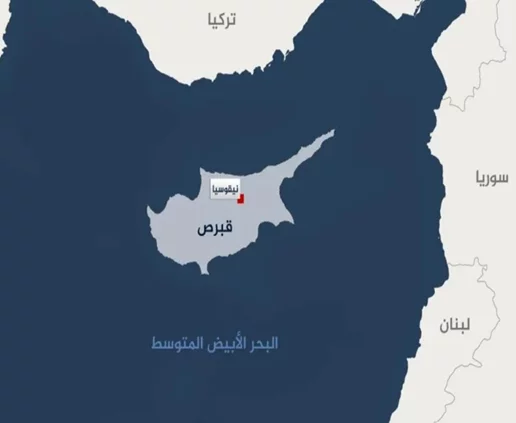
انقلاب عبّارة قبالة سواحل شمال قبرص وسقوط قتلى
-
30 August 2026
-

العثور على سيّدة في ديك المحدي مجهولة الهويّة... هل تعرفون عنها شيئاً؟
-
30 August 2026