







Bassil Visits Mishmish, Lehfad, and Jaj in Byblos: A Failed Government Blames the Army… We Will Continue to Pursue Salameh Until He Is Behind Bars. With $11 Billion at the Central Bank, Why Don’t They Start Paying People Back?
-
29 September 2025

-
8 months ago

-
-
source: tayyar.org
-
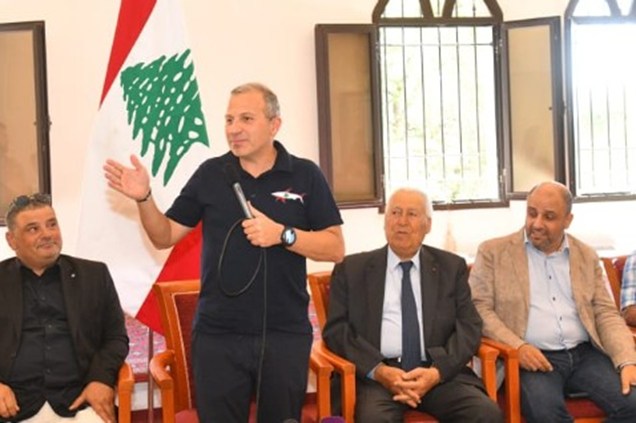
The president of the Free Patriotic Movement, MP Gebran Bassil, delivered a speech during his visit to the town of Jaj in the district of Byblos. He declared:
“I am happy to meet you here in this town. I feel like I am among my family. This town has a rich history and has given the Church three patriarchs. From this town comes the cedar of Barouk—a cedar that does not change its color or its leaves—and so the people of Jaj do not change their color or their leaves.”
Bassil continued:
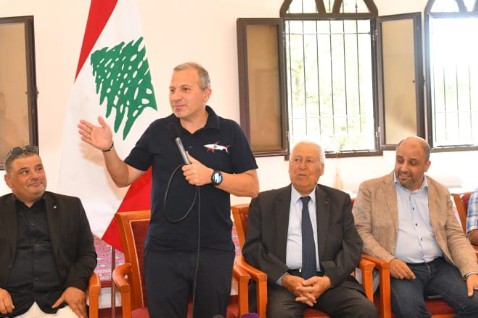
“In difficult battles, many leaves and people fall, but those who are loyal remain standing, like Brigadier General Shamil Mozaia, who fought and remained loyal from 1990 to 2005. When ‘the General’ chose him to move from the military to politics, he answered the call. And when he felt he should rest, he stepped aside on his own to make way for others.”
Development Projects in Byblos
Bassil noted that “in terms of development, the share of state funds allocated to the district of Byblos was greater than that of Batroun. If we leave aside the efforts of the Beirut Water Establishment and its general manager, Jean Gebran—who carried out water projects in the villages of Byblos and Jaj—the district still had its share of projects, and I believe they are obliged to complete them because work was halted after the tender ended.”
He contrasted this with Batroun:
“The work that contributed to the development of the Batroun district was not carried out by the state—such as the restoration of facades, paving of roads and squares, and the architectural renewal of Batroun. All this was done with private funds, to which we contributed along with our friends and relatives from Batroun and beyond.”
Bassil recalled that in Byblos, three main roads were built, connecting the coast of Byblos with Jerd, Qartaba, and the road to Saint Charbel in Annaya, reaching Aakoura. However, the road from Laqlouq to Aakoura was left incomplete, and the goal had been to extend it to Kesrouan.
The Janna Dam Controversy
On the subject of dams, Bassil stated:
“The Janna Dam costs $255 million. So far, $148 million has been spent, and then work was stopped. I speak of it today so the people of Byblos understand what has been deprived of them—not of us. The water in the Janna Dam is not ours but yours. The 98 million cubic meters of water that could have served Byblos, Kesrouan, Metn, and Beirut are yours. The 100 megawatts of electricity that could have lit up Byblos at the cheapest price were for you, not for us. Instead of rewarding the general manager of the Beirut Water Establishment, Jean Gebran, he was punished—because the water never reached Beirut. But the truth is, the water did not reach Beirut or Byblos because you prevented the construction of the dam.”
He accused a political party of being openly against dams, saying that when it came to power, it deprived the people of water:
“This did not start today but fifteen years ago, when they fought every water and electricity project we tried to implement. If they implement the projects we prepared, they say they are carrying out the Movement’s agenda. If they don’t, they continue to deprive Lebanese of water and electricity, costing $1.3 billion on generators and hundreds of millions due to water shortages.”
He stressed:
“They bear responsibility for the crime of stopping the Janna Dam, as the October 17 ‘revolution’ halted work on many projects. We, in the Movement, will continue to stand by you. We will carry out smaller projects, such as restoring the reserve or Deir Mar Doumit, though these are few compared to what we aim to accomplish in Byblos, a district blessed with beautiful nature and remarkable people.”
Corruption, Depositors, and Salameh
Bassil emphasized that the Movement had given the state some of its best cadres, such as Roland Khoury, the general manager of Casino du Liban, who paid the price for his integrity and is now in prison.
By contrast, he noted:
“They gave Lebanon Riad Salameh. The Lebanese must choose between Roland Khoury, who headed a private company partly owned by the state and fought the black market—bringing in $90 million annually from legal online betting—and Salameh, who carried out financial engineering and pocketed fortunes, including from Fawry, and today walks free on $14 million bail. That money is the people’s deposits.”
Bassil declared:
“I say to Salameh: Where you were in Bhannes was better for you, because abroad you are exposed. Only God knows what you are covering up—or what others know about you. We will continue to pursue you until you are in prison, and we will continue demanding the release of Roland Khoury, because his place is outside of prison.”
He added:
“Many believe corruption is stronger than us and we must accept it. But we in the Movement say we will not surrender to anyone. A nation cannot be built on the theft of people’s deposits. All the pressure we exert will eventually return depositors’ money—if not all of it, then at least part—because while some funds were transferred abroad, the rest is still here.”
Bassil stressed:
“There is more than $11 billion in the Central Bank. Why not start gradually repaying people, beginning with small depositors and moving to larger ones? If this money is used for infrastructure, it will revive the economy.”
Sovereignty, Identity, and National Defense
Bassil warned of major challenges to Lebanese identity, citing displaced persons, depositors’ rights, and sovereignty under attack. He ridiculed the government’s focus on the Raouche Rock controversy:
“They didn’t ‘shake’ anything except the Raouche Rock. The country doesn’t need more illusions or fake heroics. This rock belongs to all Lebanon. Either you prevent everyone from using it, or you allow everyone to do so. We consider every martyr who fell at the hands of treachery as a martyr of Lebanon—Kamal Jumblatt, Rafik Hariri, Rashid Karami, Mufti Hassan Khaled, Bashir Gemayel, Danny Chamoun, Tony Frangieh, and Hassan Nasrallah. But instead of honoring them, a failed government placed the burden on the army. Don’t do something you cannot carry out.”
He added:
“You committed to a ministerial statement to develop a national defense strategy. We told you we support the exclusivity of weapons under state authority. All of Lebanon supports this. So where is the defense strategy? You have implemented nothing but a foreign agenda—lying to those who brought you to power, and to Hezbollah as well—when you should have been honest with both sides and studied what could protect Lebanon.”
Bassil clarified:
“Of course, we do not want Hezbollah to hold weapons. But neither do we want Israel to trample us or Syria to interfere again. We want only the Lebanese army to defend our borders—not to fight its own people. Yet you seek to pit the army against its people, as happened yesterday, obeying foreign powers. This is how strife and irresponsibility are born.”
He concluded:
“Every crisis can be turned into an opportunity. But international promises have failed us, so we must prove that we are a sovereign state. Lebanon is vulnerable because of its diversity and plurality, and we must distinguish between major political disputes and the daily concerns of citizens. Our collapse was not caused by Israel or Syria, but by internal failure. Instead of blocking dams, roads, and electricity, go and build them.”
Bassil’s Tour in Jerd Byblos
During his tour, Bassil visited several villages of Jerd Byblos. His first stop was the Mar Tadros Monastery in Mishmish, where he met with residents and community leaders. He then moved on to Lehfed, visiting the Mar Estephan Monastery and the headquarters of Brother Estephan, where he also met with locals.
Finally, Bassil arrived in Jaj, where he visited the municipal headquarters and met with the mayor and council members. He then toured the museum of artist Boutros Farhat, planted a cedar tree in the Jaj cedar forest, and was received with an official and popular welcome in the square of Mar Abda Church.
-
-
Just in
-
23 :58
"نيويورك تايمز" عن الخارجية الأميركية: تحديد 22 حزيران الحالي موعدًا لعقد جولة جديدة من المحادثات بين إسرائيل ولبنان
-
23 :56
غارة إسرائيلية عنيفة على بلدة زفتا
-
23 :48
إعلام إسرائيليّ: مكالمة بين نتنياهو وترامب خلال دقائق
-
23 :45
ترامب لـ"نيويورك تايمز": الأمور تسير على ما يرام
-
23 :41
الجيش الإسرائيلي يقول إنه سيواصل عملياته "في كل أنحاء لبنان"
-
23 :39
هل من تعديل في حركة الطيران في مطار بيروت؟ تتمة
-


-
Other stories
-
-
هل من تعديل في حركة الطيران في مطار بيروت؟
-
جنبلاط يعلّق: "الجنوب ليس بحاجة إلى مزيد من الصواريخ أو المسيرات"!
-

بالفيديو: لحظة سقوط الصاروخ
-
صواريخ إيرانية عبرت أجواء جنوب لبنان
-
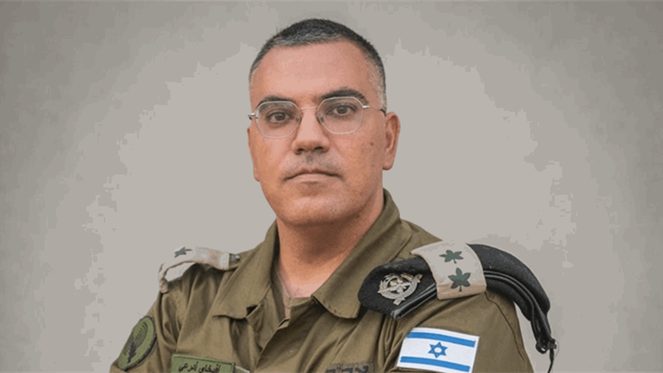
أدرعي: الجيش الإسرائيلي هاجم مقرا تابعا لحزب الله في الضاحية الجنوبية
-
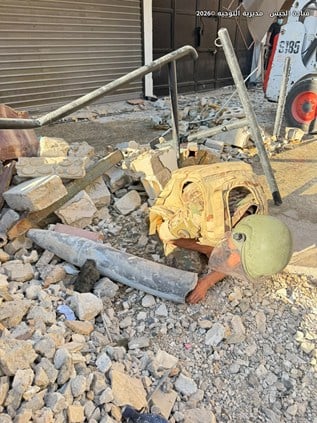
الجيش: تفكيك قنبلة طيران موجّهة غير منفجرة من مخلفات العدوان الإسرائيلي في الضاحية الجنوبية
-
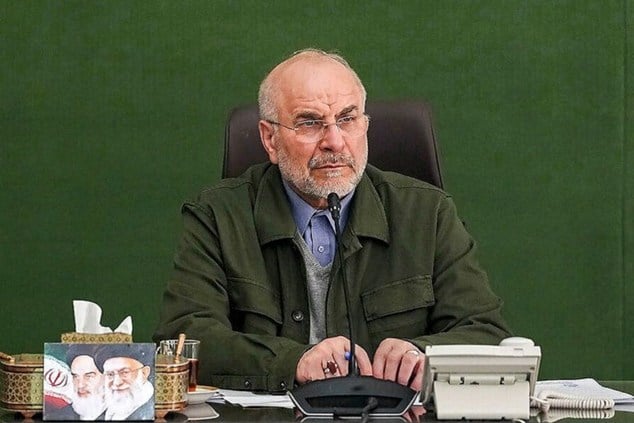
قاليباف تعليقًا على استهداف الضاحية: الولايات المتحدة وإسرائيل "غير ملتزمتين بوقف إطلاق النار ولا تؤمنان بالحوار"
-
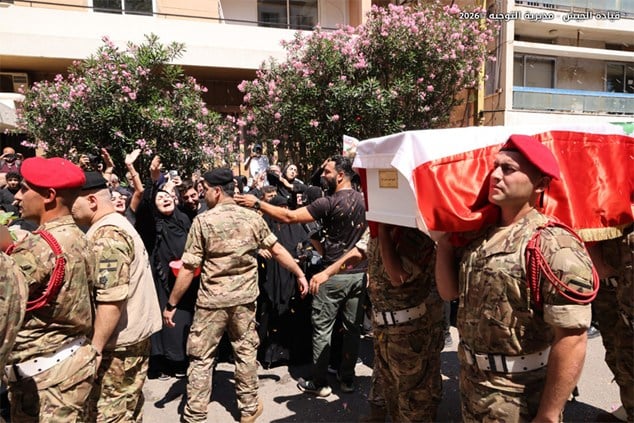
تشييع الجندي الشهيد حسين غزال (بالصور)
-
تشييع العميد الشهيد وسام صبره (بالصور)
-
بالفيديو- مشاهد توثق الغارة العنيفة من محيط آثار مدينة صور!
-

لجنة الأمن القومي الإيراني: ايران سترد رداً حاسماً ومؤلماً على قصف إسرائيل ضاحية بيروت الجنوبية
-
شهيدان و11 جريحًا في حصيلة أولية للغارة على الضاحية
-
الوكالة الوطنية: 6 شهداء وجريحان في غارات على قرى النبطية
-
LBCI: سفيرة لبنان لدى الولايات المتحدة تواصلت مع مسؤولين في الخارجية الأميركية
-
إذاعة جيش العدو عن مصدر عسكري: الجيش طلب من سكان الشمال الاستعداد لقصف من حزب الله في الساعات المقبلة
-
الجيش الاسرائيلي أعلن استهداف الضاحية
-
 EXCLUSIVE
كواليس - نائب يقلّل تحركاته وظهوره الإعلامي.. ما السبب؟
-
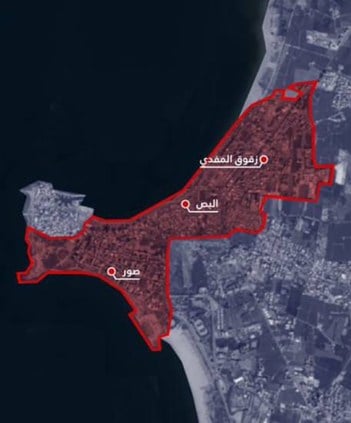
إنذار إسرائيليّ عاجل إلى سكان مدينة صور
-
الراعي: الحرب لا تصنع سلامًا ولا تبني أوطانًا ولا تؤسس مستقبلًا ونرجو أن تثمر المفاوضات نتائج ملموسة تقود إلى الاستقرار
-
تفاصيل تشييع النقيب الشهيد إيلي خوري وتقبل التعازي
-
-
Just in
-
23 :58
"نيويورك تايمز" عن الخارجية الأميركية: تحديد 22 حزيران الحالي موعدًا لعقد جولة جديدة من المحادثات بين إسرائيل ولبنان
-
23 :56
غارة إسرائيلية عنيفة على بلدة زفتا
-
23 :48
إعلام إسرائيليّ: مكالمة بين نتنياهو وترامب خلال دقائق
-
23 :45
ترامب لـ"نيويورك تايمز": الأمور تسير على ما يرام
-
23 :41
الجيش الإسرائيلي يقول إنه سيواصل عملياته "في كل أنحاء لبنان"
-
23 :39
هل من تعديل في حركة الطيران في مطار بيروت؟ تتمة

All news
- Filter
-
-
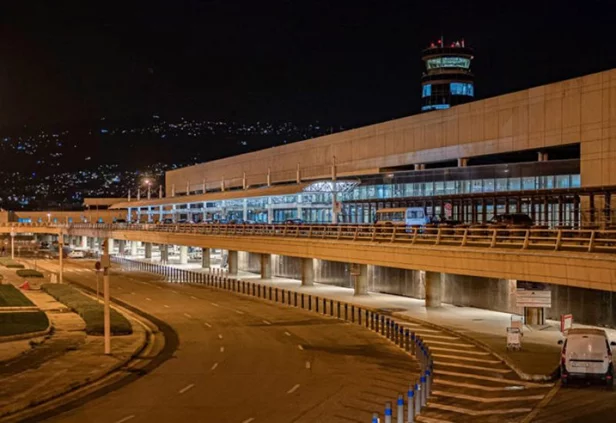
هل من تعديل في حركة الطيران في مطار بيروت؟
-
07 June 2026
-

جنبلاط يعلّق: "الجنوب ليس بحاجة إلى مزيد من الصواريخ أو المسيرات"!
-
07 June 2026
-
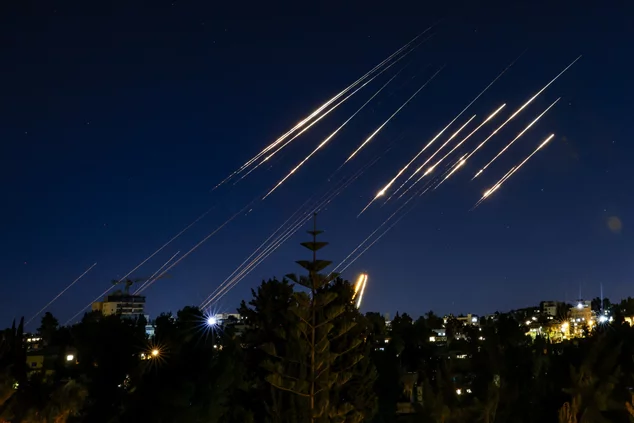
إيران: "إسرائيل تخطّت كل الخطوط الحمر"!
-
07 June 2026
-
.webp)
ترامب بعد إطلاق إيران صواريخ نحو إسرائيل: "الجيش الأمريكي في حالة تأهب"!
-
07 June 2026
-

بالفيديو: لحظة سقوط الصاروخ
-
07 June 2026
-
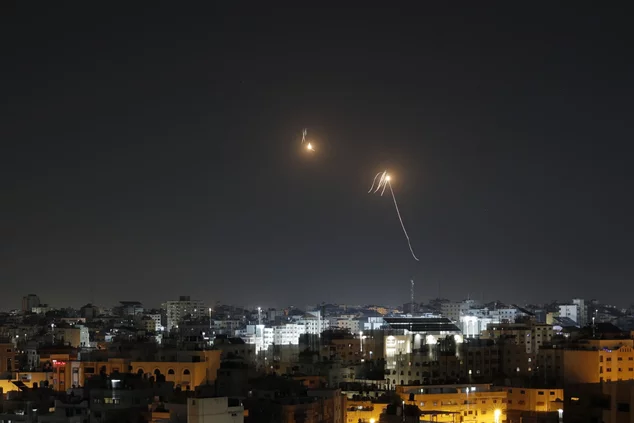
صواريخ إيرانية عبرت أجواء جنوب لبنان
-
07 June 2026
-
أدرعي: الجيش الإسرائيلي هاجم مقرا تابعا لحزب الله في الضاحية الجنوبية
-
07 June 2026
-
الجيش: تفكيك قنبلة طيران موجّهة غير منفجرة من مخلفات العدوان الإسرائيلي في الضاحية الجنوبية
-
07 June 2026
-
قاليباف تعليقًا على استهداف الضاحية: الولايات المتحدة وإسرائيل "غير ملتزمتين بوقف إطلاق النار ولا تؤمنان بالحوار"
-
07 June 2026
-
تشييع الجندي الشهيد حسين غزال (بالصور)
-
07 June 2026